How to Start a Vegetable Garden: A Practical Beginner's Guide
Everything a first-year gardener actually needs to know to grow real food this season, without the overwhelm.
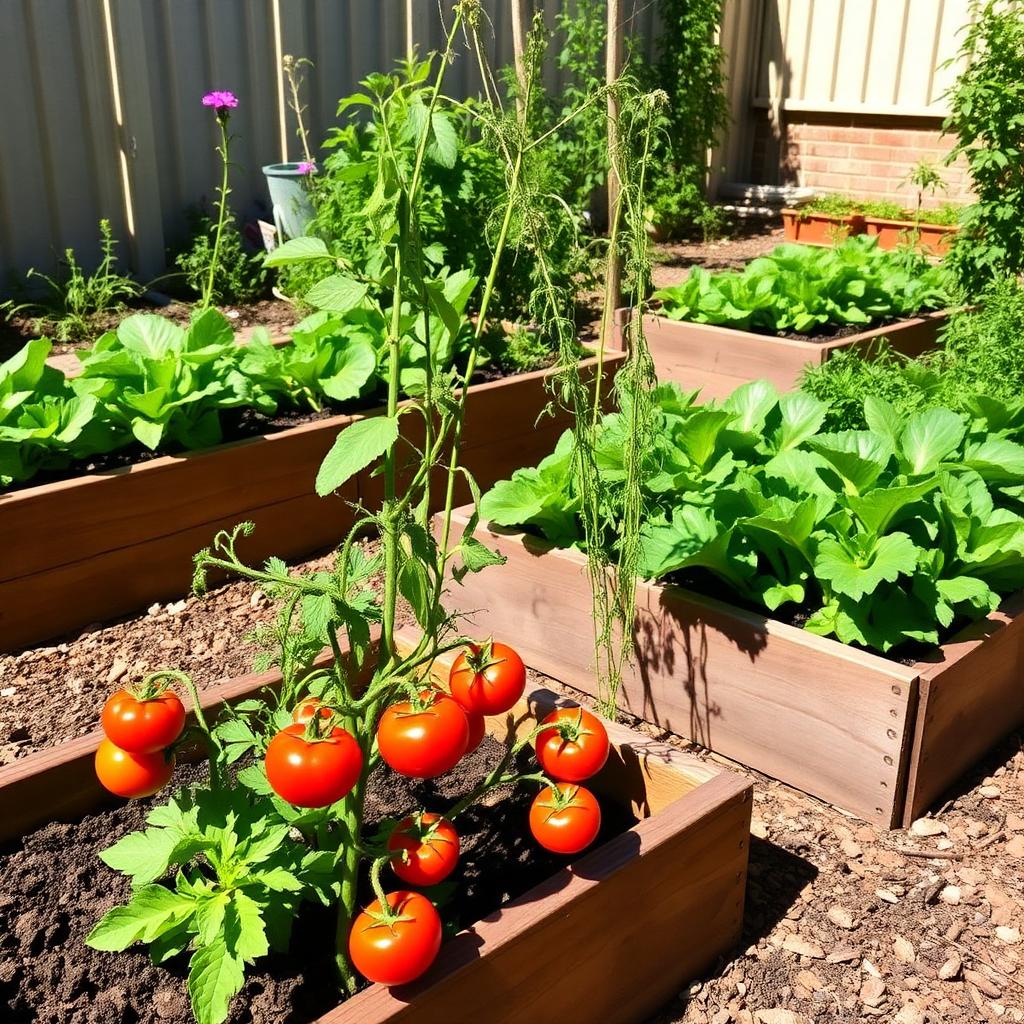
A first vegetable garden usually fails for one of three reasons: too little sun, too much space taken on at once, or watering by habit instead of by need. Get those right and the rest is small corrections. Home-grown tomatoes taste nothing like the supermarket ones, and a $3 packet of lettuce seed will feed a household for months.
This guide covers the key decisions that determine first-year success, organized by priority. For those starting without a traditional yard, our apartment herb garden guide covers the indoor version of these principles.
Step 1: Pick the Right Spot
Vegetables need six to eight hours of direct sun per day. That is the most important factor, and the one beginners underestimate most often. Watch your yard for a full day and note where sun actually hits the ground, not where you assume it does. USDA: Small-Scale Vegetable Gardening
Second, pick a spot with good drainage and reasonable access to water. A hose bib within thirty feet of the garden makes daily watering realistic in July. A soggy low corner does not.
Step 2: Start Small
Almost every beginner plants too much. A 4-by-8-foot raised bed or a 10-by-10-foot in-ground plot is plenty of space for a first year and small enough that you will not burn out on weeding.
You can always expand next season. What you cannot recover from is a garden so big it becomes a chore by mid-July.
Step 3: Choose Raised Bed or In-Ground
Raised beds warm up faster in spring, drain better, and give you a fresh start with quality soil. They cost more upfront (roughly $150 to $250 for a 4-by-8-foot cedar bed and enough soil to fill it, based on current market estimates), but the first-year success rate is much higher. EPA: Information on Pressure-Treated Wood
In-ground gardens are cheaper but only work well if your native soil is decent. Dig a test hole; if it fills with water and stays that way, or if you hit rock in six inches, build a raised bed instead.
Step 4: Prep the Soil
Good soil is 80 percent of a good garden. For a raised bed, fill with a blend of roughly 60 percent quality topsoil, 30 percent compost, and 10 percent aeration material like coarse perlite or pine bark fines.
For in-ground beds, remove sod, loosen the top eight inches with a broadfork or spade, and top-dress with two to three inches of compost worked in gently. Consider sending a soil sample to your state land-grant university extension lab for precise nutrient analysis. USDA NRCS Soil Education
Step 5: Choose Easy Crops for Year One
Pick vegetables that are forgiving and productive. In year one, focus on wins rather than variety. Save the tricky crops like cauliflower and Brussels sprouts for later.
- Cherry tomatoes (buy transplants, not seeds)
- Bush beans (direct seed after last frost)
- Zucchini and summer squash (two plants is plenty)
- Leaf lettuce and salad mix (spring and fall)
- Radishes (ready in 25 days)
- Cucumbers on a small trellis
- Basil and parsley for herbs
Step 6: Know Your Frost Dates
Look up your average last spring frost and first fall frost dates at the National Weather Service or your state extension website. Cool-season crops like lettuce, peas, and radishes go in three to four weeks before last frost. Warm-season crops like tomatoes, peppers, beans, and squash go in only after the soil warms and frost risk is gone.
Planting a tomato outside two weeks too early is a frequent beginner mistake that can set back growth significantly.
Step 7: Water Deeply, Not Often
New gardeners tend to sprinkle every day, which encourages shallow roots. Instead, water deeply one to three times a week so the top six inches of soil are truly moist. A soaker hose on a timer removes the guesswork. EPA: Watering Tips
Vegetables generally need about one inch of water per week from rain plus irrigation combined. Mulch beds with two inches of straw or shredded leaves to reduce watering.
Step 8: Feed Your Garden Simply
A balanced organic granular fertilizer worked into the soil at planting, plus a monthly liquid feed like fish emulsion or seaweed, covers most vegetables. Follow the label rates; more is not better and often burns roots.
Compost is the long-term answer. Add an inch of finished compost each spring and fall and your soil will get better every year.
Step 9: Handle Pests and Problems Calmly
Every garden loses some leaves to bugs. Scout the garden three times a week, hand-pick larger pests like tomato hornworms and squash bugs, and use insecticidal soap or Bt only when you actually see damage.
Yellow leaves are usually a water or nutrient issue, not a disease. Take a photo, check with your county extension's free ID service, and act only after you know what you are dealing with.
Step 10: Harvest Often
Most vegetables produce more when you pick them regularly. Beans, cucumbers, zucchini, and lettuce will keep giving as long as you keep harvesting. Skip a week and they slow down or bolt.
Harvest in the morning when produce is coolest and rinse right before eating for the best flavor and shelf life.
Beginner Crop Comparison: Effort vs. Reward
Use this table to choose plants based on your available time and space. Some vegetables offer 'higher yield' for their square footage than others.
| Crop | Space Needed | Effort Level | Typical Yield | Overall Impact |
|---|---|---|---|---|
| Cherry Tomatoes | Small (Pot/Bed) | Medium | High (50+ fruits) | Excellent |
| Zucchini | Large (3'x3') | Low | Very High | High |
| Leaf Lettuce | Small | Low | Moderate (Cut & come again) | High |
| Radishes | Very Small | Very Low | Single harvest | Medium |
| Pole Beans | Vertical | Low | Continuous | High |
Troubleshooting First-Year Problems
If your plants don't look like the photos, don't panic. Most issues fall into three categories:
Sources & References
• USDA NRCS: Vegetable Gardening for Beginners
• University of Minnesota Extension: Soil Testing for Lawns and Gardens
• EPA: Composting at Home Guide
• National Weather Service: Average First and Last Frost Dates
Frequently Asked Questions
How much does it cost to start a vegetable garden?
Based on current market estimates, expect $150 to $400 for a first-year raised bed setup including soil, seeds, transplants, and basic tools. In-ground gardens can start under $75 if your soil is decent and you already own a shovel.
How much time does a vegetable garden take?
Plan on about 20 to 30 minutes a day, three or four days a week, once the garden is planted. Spring setup and fall cleanup are the heavier weeks requiring 2-3 hours each.
Do I need full sun or will partial sun work?
Fruiting crops (tomatoes, peppers, squash) need six-plus hours of direct sun. Leafy greens and herbs like kale, spinach, and mint will produce reasonably in four to five hours.
What is the easiest vegetable to grow?
Bush beans, zucchini, cherry tomatoes, and leaf lettuce are the most forgiving. If you plant nothing else, plant these first to build your confidence.
Conclusion
You do not need a green thumb, a giant yard, or expensive gear to grow real food this year. Pick a sunny spot, start small with easy crops, water deeply, and pay attention. By August you will be handing tomatoes to your neighbors and planning next year's expansion.
About the author
Editorial Contributor
Sarah writes the gardening and houseplant guides here — seasonal tasks, soil and watering, planting ideas, and the ordinary problems that come up between spring and frost.
More from Sarah MitchellPublished · Updated
Related articles
DIY Raised Garden Bed: Step-by-Step Guide
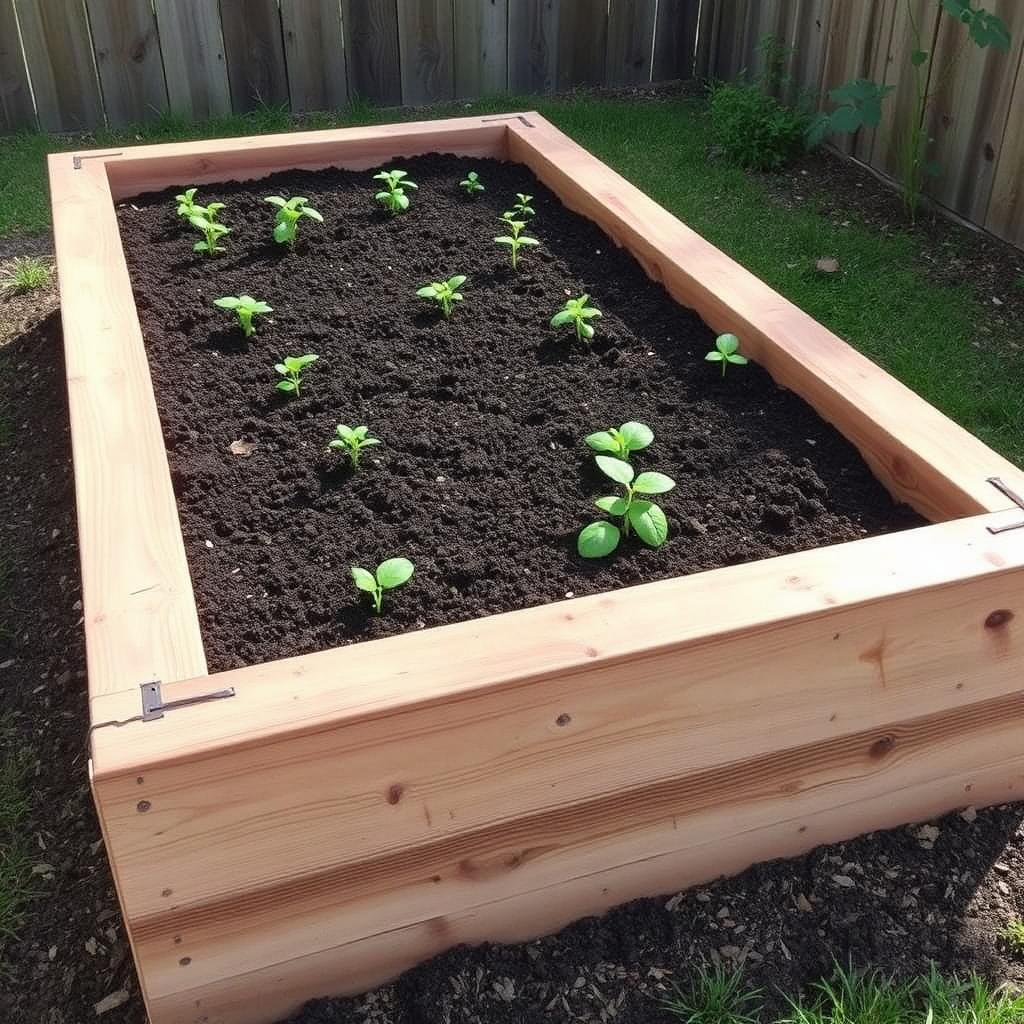
A beginner-friendly plan for a 4x8 cedar raised bed you can build in a weekend for about $200.
10 Common Gardening Mistakes and How to Avoid Them
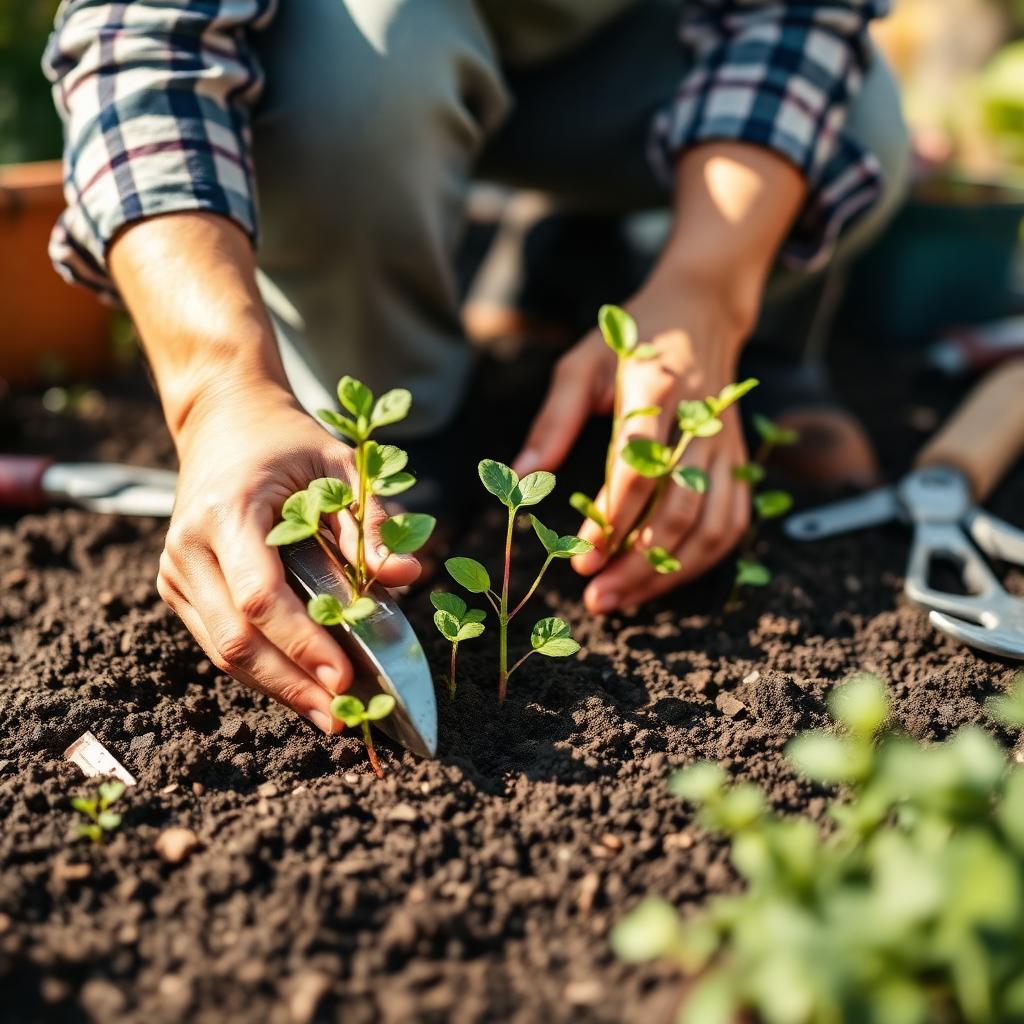
Common gardening mistakes that can cause problems each season, and the simple fix for each.
How to Choose Mulch for Flower Beds and Gardens
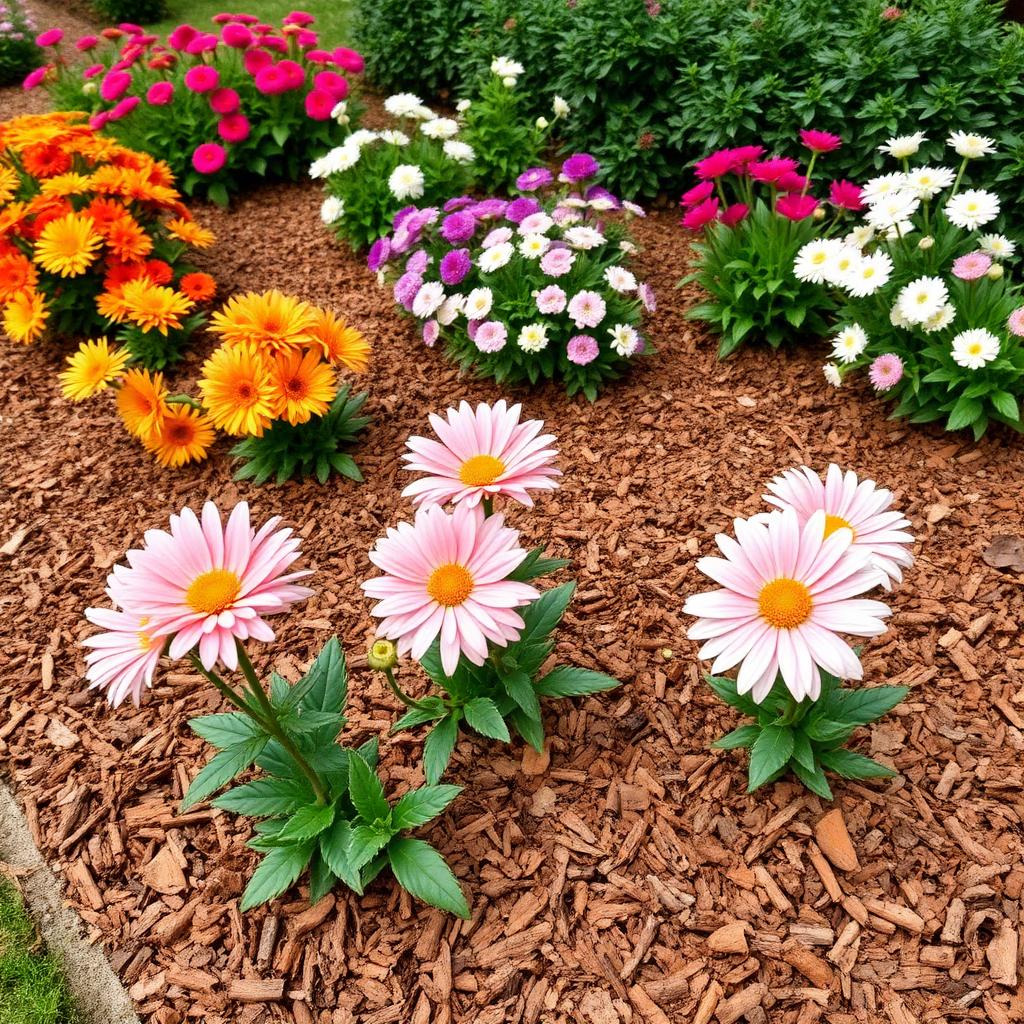
Which mulch to use where, how much to apply, and the common mistakes that starve or drown plants.
Fresh home & garden ideas, every Sunday.
Join American homeowners getting practical home & garden advice on gardening, landscaping, and DIY. Free, no spam, unsubscribe anytime.