30 Backyard Design Ideas for Real Yards and Budgets
Thirty backyard design ideas ranked by cost and effort — featuring planning budgets, maintenance expectations, and spatial requirements.
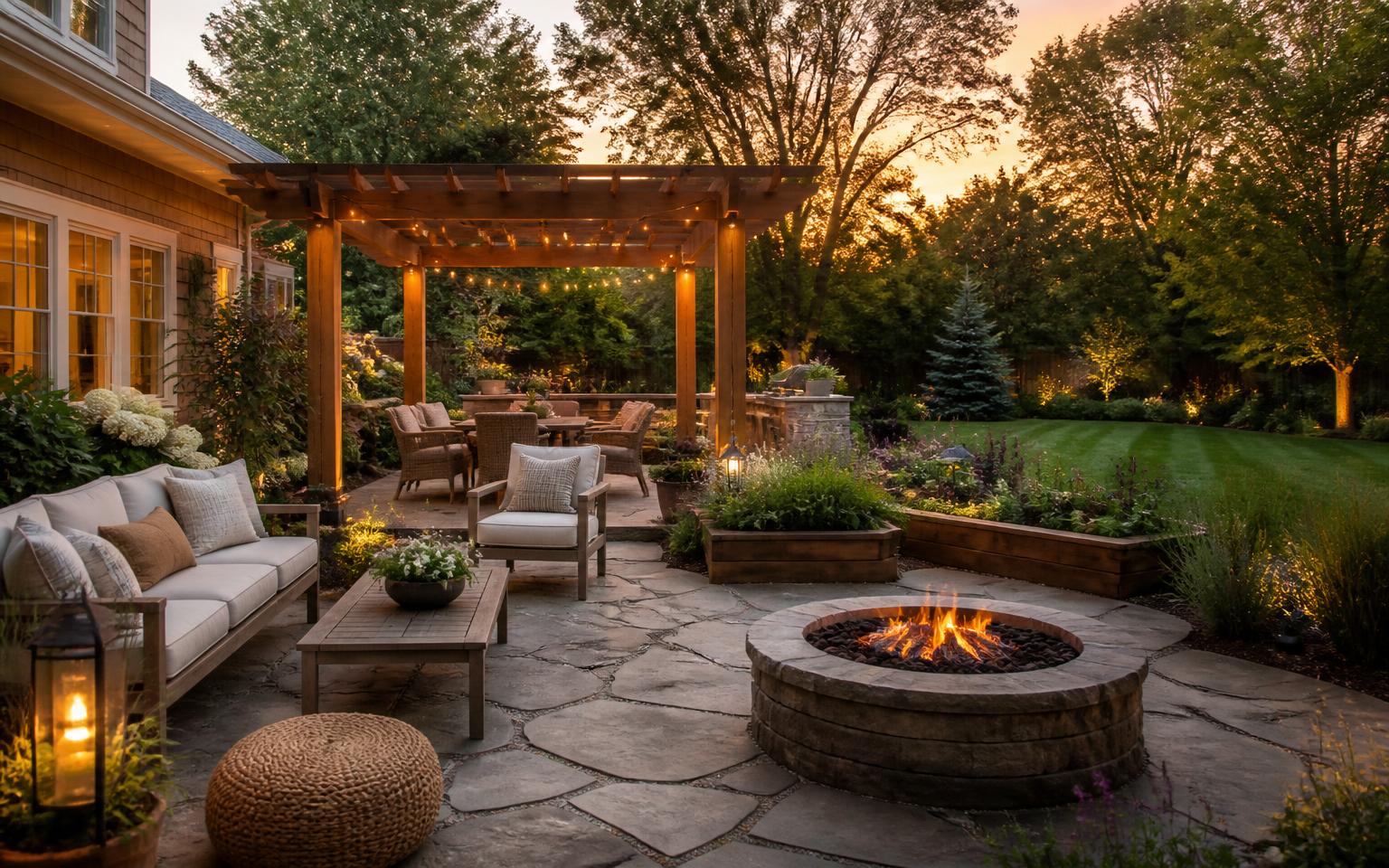
Let's be honest: most backyards are just a plain rectangle of grass with a lonely grill sitting by the backdoor. Transforming that empty space isn't about buying expensive decor; it's a smart planning puzzle. You need to figure out natural walking paths, how rainwater flows after a heavy storm, and how to make the most of your hardscape budget.
By breaking your yard down into cozy, purposeful 'rooms'—like a dedicated dining spot, a relaxing lounge, and an open lawn area—you can answer most layout questions before spending a single dollar on materials. Remember, shifting a patio boundary on paper is completely free; moving it after the base is already compacted can cost you thousands.
**Cost & Regulatory Disclaimer:** The prices and estimates below are based on national averages and serve as helpful planning guides. Your actual costs will depend heavily on your geographic location, yard slope, soil type, local labor rates, and material choices. Always request written quotes from licensed contractors before locking in your budget. Furthermore, local building codes, HOA guidelines, property line setbacks, and fire safety regulations vary widely—always consult your local municipal office before breaking ground.
Start with a Plan: Divide the Yard into Functional Rooms
Think of your backyard design just like an interior floor plan. Dropping a fire pit right in the middle of your main walkway to the garage creates an annoying bottleneck—just like putting a dining table in a hallway indoors. Before you buy a single brick, sketch your lot on graph paper and map out four essential elements: afternoon sun angles, stormwater runoff paths during heavy rains, neighbor sightlines, and everyday foot traffic from your back door.
To keep the space flowing naturally, divide it into three core zones: a dining zone close to the kitchen entrance, a cozy lounge zone anchored by a focal point (like a fire pit, water feature, or great view), and an open zone (such as a clean lawn or flower beds) to preserve a sense of space. Every new addition should connect or support these zones harmoniously.
Pro Layout Tip: Use a standard garden hose to outline your proposed patio shapes and walkway curves directly on the lawn. Leave it there for a couple of days to test how you naturally walk through the space. Keep in mind that a comfortable, functional six-person dining patio requires a minimum clear area of 12 by 14 feet so guests can pull out their chairs without stepping onto the grass or garden beds.
- **Walkway clearance:** Keep main paths between 36 and 48 inches wide so two people can easily walk side-by-side.
- **Utility clearance:** Always call 811 to locate underground utility lines before digging, and double-check local setback rules for structures and fire pits.
- **Budget distribution:** A safe rule of thumb is to split your budget evenly: roughly one-third for hardscapes, one-third for structures and lighting, and one-third for plants. Skipping the greenery makes hardscape look cold and unfinished.
- **Phased installation:** Install your major hardscapes and underground conduits first, then layer in furniture, lighting fixtures, and plantings in later seasons.
Ideas 1–8: Structures and Hardscapes That Define Space
Hardscapes form the architectural backbone of your outdoor living areas. Because making structural changes later can be expensive and disruptive, it pays to invest the bulk of your initial budget here.
**1. Size your patio correctly.** An undersized patio is one of the most common design regrets. Concrete pavers installed on a compacted gravel base typically run $14–$26 per square foot; poured concrete costs $8–$15 per square foot; and natural flagstone ranges from $20–$35 per square foot. Sweeping polymeric sand into the paver joints every few years keeps everything tightly locked and stable.
**2. Install a pergola for partial shade and architectural framing.** A pergola adds fantastic vertical interest and instantly anchors a lounge area. Pre-cut cedar pergola kits start around $1,800, while custom powder-coated aluminum or premium cedar units with louvered roofs range from $6,000 to $15,000. Aligning your rafters north-to-south blocks the harshest midday sun.
**3. Build a multi-level deck on sloped terrain.** If your yard has a steep grade, multi-level decking turns unusable slopes into wonderful, flat living spaces. Composite decking costs $30–$60 per square foot installed, whereas pressure-treated pine runs about half that price. Just remember that decks sitting higher than 30 inches off the ground usually require official permits and safety guardrails.
**4. Lay walkways along natural footpaths.** Watch how people naturally move across your lawn before deciding where to put paths. Stepping stones set in decorative pea gravel cost $6–$12 per square foot, while mortared stone pavers run $25–$40 per square foot. Spacing your stones about 24 inches center-to-center creates a comfortable, natural walking rhythm.
**5. Build retaining walls to level sloped ground.** A 24-inch segmental block retaining wall transforms awkward slopes into flat garden terraces or cozy seating nooks, typically costing $30–$60 per face foot installed. Walls taller than four feet generally require professional engineering plans and municipal permits. Always maintain a clean gravel backfill and perforated drain pipe behind the wall to prevent water pressure buildup.
**6. Define boundaries with architectural fencing.** Modern horizontal cedar slats, sleek black aluminum, or board-on-board panels offer a massive visual upgrade compared to standard stockade fences. Expect to budget $25–$55 per linear foot installed.
**7. Create a crushed stone courtyard.** Decomposed granite or pea gravel laid over a solid compacted base costs only $4–$8 per square foot and offers exceptional drainage. Use sturdy metal or stone edging to keep the gravel contained and prevent it from migrating into your lawn.
**8. Add a matching storage shed.** Painting your utility shed the same exact color as your home's trim helps it blend into the landscape. Prefabricated wooden kits start near $2,500, while custom site-built studios with electrical wiring can run $12,000 or more.
| Project | Estimated Cost | DIY Suitability | Maintenance Level | Primary Use Case |
|---|---|---|---|---|
| Paver Patio (12x14 ft) | $2,400–$4,400 | Moderate (Requires heavy prep) | Low | Outdoor dining & lounge zones |
| Poured Concrete Patio | $1,400–$2,600 | Professional Recommended | Low | Budget-focused flat surfaces |
| Cedar Pergola Kit | $1,800–$4,000 | Moderate (2 adults required) | Medium (Sealing required) | Partial afternoon sun protection |
| Composite Deck (200 sq ft) | $6,000–$12,000 | Advanced | Low | Sloped lots & elevated access |
| Stepping-Stone Path | $400–$1,200 | High | Low | Connecting high-traffic zones |
| Segmental Retaining Wall | $3,000–$7,000 | Low for walls over 2 ft | Low | Terracing slopes for flat ground |
| Crushed Stone Courtyard | $600–$1,600 | High | Medium (Weeding/raking) | Side yards & low-footprint nooks |
Ideas 9–16: Comfort, Heating, Water, and Shade
Comfort features are what determine whether you actually use your outdoor space every day—from peaceful morning coffees to crisp evenings and scorching summer afternoons.
**9. Arrange seating around a clear focal point.** Group weather-resistant furniture so people can talk without raising their voices, and anchor the arrangement with a durable 9x12-foot outdoor rug. Quality outdoor sets generally range from $1,200 to $4,000. Plan on refreshing cushions every four to five years to keep things feeling plush and comfortable.
**10. Install a fire feature to extend seasonal use.** A classic wood-burning stone fire ring costs $600–$2,500, while plumbed natural gas or propane fire tables range from $2,000 to $6,000. Always keep a safe 10-foot clearance from structures and low-hanging tree branches, and check local burn bans before lighting a wood fire.
**11. Build a functional outdoor kitchen module.** A streamlined setup featuring a great grill, 30 inches of stainless-steel prep counter, and a compact outdoor fridge runs $4,000–$9,000. Full custom masonry units with built-in sinks and pizza ovens can range from $20,000 to $50,000. Always position your cooking station downwind from the main seating areas.
**12. Establish a dedicated dining footprint.** Set your six-person table near the back entrance on a clear space of at least 12x12 feet. Make sure you have direct overhead shade via umbrellas or elegant shade sails.
**13. Add strategic shade structures.** Direct afternoon sun can easily render an unshaded patio unbearable during peak summer. Simple solutions range from $60 market umbrellas and $300–$900 tensioned shade sails to $1,800–$4,500 retractable wall-mounted awnings.
**14. Add a recirculating water fountain.** The gentle sound of moving water does an incredible job of masking background neighborhood noise. A basalt column or decorative urn fountain with a hidden underground reservoir costs $600–$2,500. Just remember to top off the water levels during warm summer months and drain the pump before freezing winter weather sets in.
**15. Select slip-resistant pool decking.** Travertine pavers, textured concrete, and cool-surface composite boards absorb significantly less heat underfoot than standard brushed concrete around pools.
**16. Tuck a secondary seating nook in a far corner.** Placing two cozy chairs and a tiny side table in a quiet, overlooked corner of your yard creates an inviting secondary destination, making even modest yards feel much larger and more exploratory.
| Feature | Cost Range | Installation Effort | Maintenance | Key Considerations |
|---|---|---|---|---|
| Wood Fire Pit | $600–$2,500 | Weekend DIY project | Ash removal, wood storage | Verify municipal wood burning rules |
| Gas Fire Table | $2,000–$6,000 | Professional gas line hookup | Very Low | Clean operation, HOA compliant |
| Bubbling Boulder Fountain | $600–$2,500 | 1-day DIY or pro install | Weekly water top-off | Effective sound masking |
| Shade Sail System | $300–$900 | Moderate DIY with sturdy posts | Remove before winter snow | High shade output per dollar |
| Retractable Awning | $1,800–$4,500 | Professional installation | Low | Select high wind-rated units |
Ideas 17–24: Strategic Planting and Bed Design
Plants soften rigid hardscape edges and give your yard organic life and color. A well-thought-out $600 planting plan often yields a much bigger visual transformation than thousands spent on extra stone.
**17. Plant staggered privacy screening.** A staggered double row of columnar evergreens (like emerald green arborvitae, upright junipers, or Nellie Stevens holly) blocks unsightly views naturally while maintaining a lush, soft aesthetic. Always space them according to their mature width.
**18. Use native perennials as the backbone of your beds.** Regionally native plants require far less supplemental watering, minimal fertilizer, and very little pest management once they are established. Hardy species like coneflowers, black-eyed Susans, switchgrass, and bluestem handle unpredictable weather like champions.
**19. Install raised cedar beds for edibles.** Raised garden beds give you total control over soil quality, drain rapidly, and warm up earlier in the spring sun. Pre-cut cedar raised bed kits typically cost $150–$400 each.
**20. Build vertical planter walls for tight spaces.** Mounting vertical planters on blank fences or exterior walls transforms wasted vertical surfaces into thriving green gardens. Because shallow vertical containers dry out quickly, pair them with an automated drip irrigation system.
**21. Plant in repetitive odd-numbered mass groupings.** Instead of scattering single individual specimens everywhere, plant perennials in intentional odd groups of three, five, or seven. Mass planting delivers instant visual cohesion and professional polish.
**22. Integrate pest-deterring aromatic herbs.** Planting lavender, rosemary, mint, and lemon thyme near your outdoor seating areas provides wonderful fragrances while naturally keeping annoying insects at bay.
**23. Plant appropriate shade trees away from foundations.** Placing medium-sized ornamental trees (such as serviceberry, redbud, or hornbeam) at least 15 feet away from your home's foundation helps lower summer cooling costs and provides a lovely natural canopy.
**24. Design low-maintenance beds with deep mulch.** Shrink your high-maintenance turf down to neat shapes, expand your planting beds, lay down a solid 3-inch layer of organic mulch, and set up automated drip lines that can reduce grueling weekly hand-watering.
- **Check mature sizes:** Always space your plants based on their final mature height and spread found on nursery tags, not their cute pot sizes at purchase.
- **Watering habits:** Water new plantings deeply twice a week during their first growing season instead of giving them light, daily surface sprinklings.
- **Mulching depth:** Maintain 2 to 3 inches of organic mulch across beds, but always keep the mulch pulled back about 2 inches from actual plant stems and tree trunks to prevent rotting.
Ideas 25–30: Lighting, Utilities, and Finishing Details
Finishing details do most of the work in making a backyard feel finished, and they rarely need a large budget.
**25. Layer low-voltage landscape lighting.** Create real depth by incorporating three distinct lighting layers: low-voltage LED path lights for safety, subtle uplighting on tree trunks or textured walls for dramatic effect, and warm string lights (around 2700K) overhead for cozy evening ambiance. Avoid harsh, glaring spotlights.
**26. Upgrade to a smart irrigation controller.** Swapping out an old manual timer for a Wi-Fi-enabled smart controller that adapts watering cycles to real local weather can significantly cut down your outdoor water waste. The EPA WaterSense program offers lists of certified models and their tested savings, though your actual results will vary based on your climate, soil type, and previous schedule. Always run separate irrigation zones for turf and delicate garden beds.
**27. Maintain sharp bed edging and thick turf.** Clean up struggling lawn sections into simple, manageable geometric shapes. Core aerate and overseed thin turf spots every autumn, and keep a crisp, sharp trench edge between your grass and mulch beds.
**28. Use oversized container planters.** Large pots (18–24 inches in diameter) placed strategically near entryways or patio steps mark transitions between areas. Plus, large containers hold soil moisture much longer than tiny pots.
**29. Screen utility meters and trash storage.** Hide unattractive garbage bins, air conditioning units, and pool equipment behind stylish decorative cedar slat screens or evergreen hedge panels. Just ensure you leave at least 24 inches of clearance around mechanical units for easy maintenance access.
**30. Prepare the space for shoulder seasons.** Keep outdoor storage boxes stocked with cozy blankets near seating areas, install a standing patio heater, and lean into structural evergreens so your yard retains visual appeal even during the bleak winter months.
- **Avoid airport runway lighting:** Space your pathway lights organically and point them downward, rather than lining them up in rigid, parallel pairs.
- **Run electrical conduit early:** Drop spare PVC conduit sleeves underneath your new patios or paths during initial construction so future wire pulls do not require digging up the surface.
- **Select durable furniture:** Invest in high-grade aluminum or solid teak frames first; cushions and fabrics can easily be replaced or updated independently over time.
Budget Breakdown: What Each Tier Delivers
Outdoor transformations scale logically depending on your budget scope. The table below outlines typical project scopes across four different budget tiers for a standard suburban home.
Financial Advice: Always set aside a 10–15% contingency buffer in your total project budget to handle surprise site conditions like hidden subsurface rocks, extra drainage tweaks, or unexpected permit fees.
| Budget Tier | Primary Focus | Typical Scope Included | Visual Impact |
|---|---|---|---|
| Under $2,000 | Comfort & Accessories | Furniture updates, string lights, containers, fresh mulch, utility screens | Clean, intentional look with quick functional improvements |
| $2,000–$8,000 | Single Functional Zone | Small paver patio, fire pit ring, stepping-stone path, basic bed plantings | Creates one defined outdoor living or dining area |
| $8,000–$25,000 | Multi-Zone Hardscaping | Full patio, cedar pergola, basic grill counter, bed plantings, low-voltage lighting | Polished, professionally designed appearance |
| $25,000+ | Complete Landscape Overhaul | Multi-level hardscapes, custom outdoor kitchen, water features, mature trees | Full exterior living space serving as a house extension |
Sources & References
• Angi / HomeAdvisor: Landscaping & Hardscape Cost Averages
• National Association of Realtors: Remodeling Impact Report: Outdoor Living
• U.S. Environmental Protection Agency: WaterSense Smart Irrigation Controllers
• 811 Call Before You Dig: National Underground Utility Location Services
Annual Maintenance Rhythm
Keeping a yard looking good is mostly a matter of steady seasonal upkeep rather than large overhauls.
- **Early Spring:** Pressure wash your pavers, top off joint sand, check your irrigation lines, edge beds, lay fresh mulch, and prune away winter damage.
- **Late Spring:** Set out container plants, inspect shade sail hardware, test your low-voltage lighting transformers, and apply a fresh coat of sealer to unpainted wood features.
- **Summer:** Water garden beds deeply during early morning hours, deadhead spent flower blooms, and keep your grill grates clean.
- **Early Fall:** Core aerate and overseed thin lawn patches, divide overcrowded perennials, and plant new trees or shrubs while the soil is still warm.
- **Late Fall:** Blow out irrigation lines, drain fountain pumps, store cushions safely, and adjust your landscape lighting timers for shorter winter days.
Frequently Asked Questions
What is the most cost-effective backyard upgrade?
Low-voltage LED landscape lighting tends to give the most visible change per dollar spent. It instantly extends the usability of your hardscapes into the night and highlights your favorite plantings. Alternatively, defining an outdoor seating area with an all-weather outdoor rug and string lights is another incredibly affordable quick win.
How much does a typical backyard overhaul cost?
Suburban backyard projects vary widely based on your goals and materials. Based on national market data, a complete multi-zone transformation including patios, shade structures, lighting, and plantings generally ranges from $8,000 to $25,000+. However, smart DIY cosmetic updates can easily be completed for under $2,000.
What is the ideal dimension for an outdoor dining patio?
You should plan for a minimum space of 12 by 14 feet to comfortably fit a standard six-person dining table. A combined lounge zone featuring a sofa and fire table typically requires about 14 by 16 feet. Always allow at least 36 inches of clear perimeter space around tables so chairs can slide back smoothly.
Do I need municipal permits for hardscape projects?
Ground-level paver patios generally do not require official permits. However, you will almost always need permits for elevated decks over 30 inches high, retaining walls taller than 4 feet, permanently covered structures, gas line hookups, and major drainage modifications. Always call 811 before putting a shovel in the ground.
How do I make a narrow or small backyard feel larger?
Create a secondary destination, like a quiet seating nook, in the far back corner of the yard to draw the eye outward. Use vertical planters along boundary walls, opt for larger-format pavers instead of tiny bricks, and preserve wide-open sightlines straight through the center of your lawn.
Is a patio or a deck better for a suburban yard?
Go with a deck if your back door sits high above ground level or if your yard slopes away steeply. Choose a ground-level patio if your terrain is mostly flat, since patios usually cost less to install and require far less long-term maintenance over the years.
What type of fire pit is best for small suburban yards?
A natural gas or propane fire table is fantastic for suburban settings. They ignite instantly with the turn of a knob, produce zero lingering smoke, easily comply with local municipal burn restrictions, and require no messy wood ash cleanup.
Are outdoor kitchens worth the investment?
Outdoor kitchens are a wonderful investment if you love cooking and entertaining outside frequently. Keeping the design simple—focusing on a top-notch grill, a sturdy prep counter, and a small fridge—delivers way more practical, daily value than massive, expensive custom masonry builds.
Conclusion
A truly great backyard strikes a thoughtful balance between hardscape structure, functional comfort, and low-maintenance greenery. Focus on nailing your layout zones and managing drainage early in your planning process. If you are looking for a quick weekend project to kick things off, check out the DIY vertical garden planter plans—it's a fun one-weekend build that also solves privacy screening in smaller yards.
About the author
Outdoor Living & Landscaping Contributor
Adilson covers topics related to gardens and outdoor spaces: planting plans, patios and pathways, drainage and slope, and the advantages and disadvantages of lawn alternatives.
More from Adilson VieiraPublished · Updated
Related articles

Native Plant Garden Styles for North American Yards
Four native garden styles, with guidance on site conditions, plant selection, planting layout, establishment watering, long-term maintenance, and the mistakes that sink new plantings.
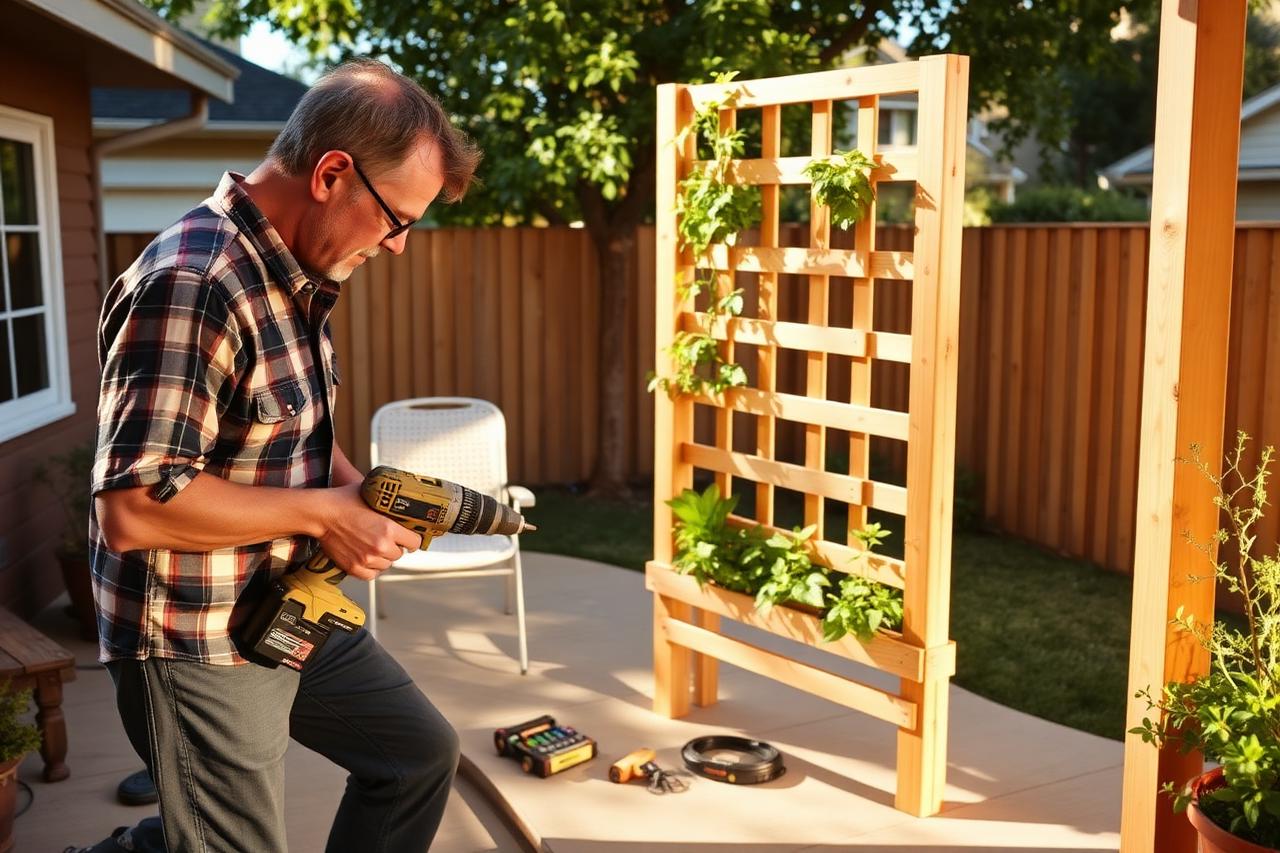
DIY Vertical Garden Planter: Weekend Plans for Small Yards and Patios
A weekend woodworking project for tight spaces: cedar cut list, tool guide, assembly steps, drainage and soil notes, and estimated material costs.
Fresh home & garden ideas, every Sunday.
Join American homeowners getting practical home & garden advice on gardening, landscaping, and DIY. Free, no spam, unsubscribe anytime.