10 Practical Backyard Landscaping Ideas That Can Help Home Value
Ten realistic backyard landscaping projects that can improve curb appeal and how a home presents to buyers, ranked by cost and effort.
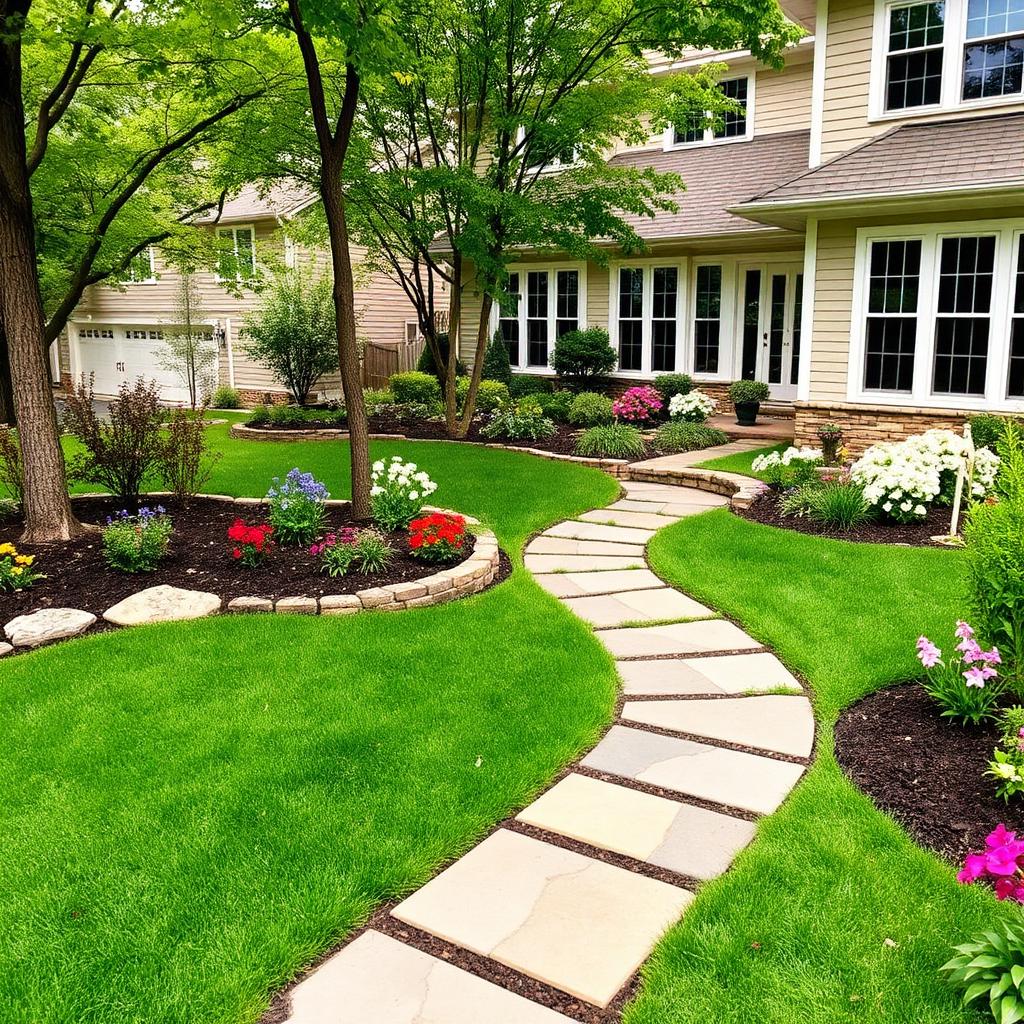
A well-designed backyard is often reported as one of the better-returning improvements a homeowner can make. According to the National Association of Realtors (NAR), standard lawn care and landscape maintenance frequently recover a meaningful share of their cost at resale, and upgrades like a new patio or mature plantings may help how a property is valued — though outcomes vary by market, condition, and appraiser. NAR Remodeling Impact Report
None of this requires a designer's budget. A residential yard responds to a few practical decisions about circulation, planting scale, and how much upkeep you are willing to take on. Every project below is achievable for a homeowner working weekend by weekend, and every one is chosen because appraisers, buyers, and neighbors actually notice it.
1. Start With a Healthy, Well-Edged Lawn
Before you spend a dollar on new features, get your existing lawn in shape. A green, weed-free, cleanly edged lawn is the single fastest way to make a yard read as cared-for. Overseed thin patches in early fall, apply a slow-release fertilizer twice a year, and sharpen your mower blade so grass tips are cut cleanly instead of shredded.
Edging is the finishing touch buyers subconsciously register. Use a half-moon edger or a string trimmer flipped vertically to create a crisp two-inch trench between lawn and beds. That single line makes the whole yard look designed.
2. Define Outdoor Rooms With a Patio or Deck
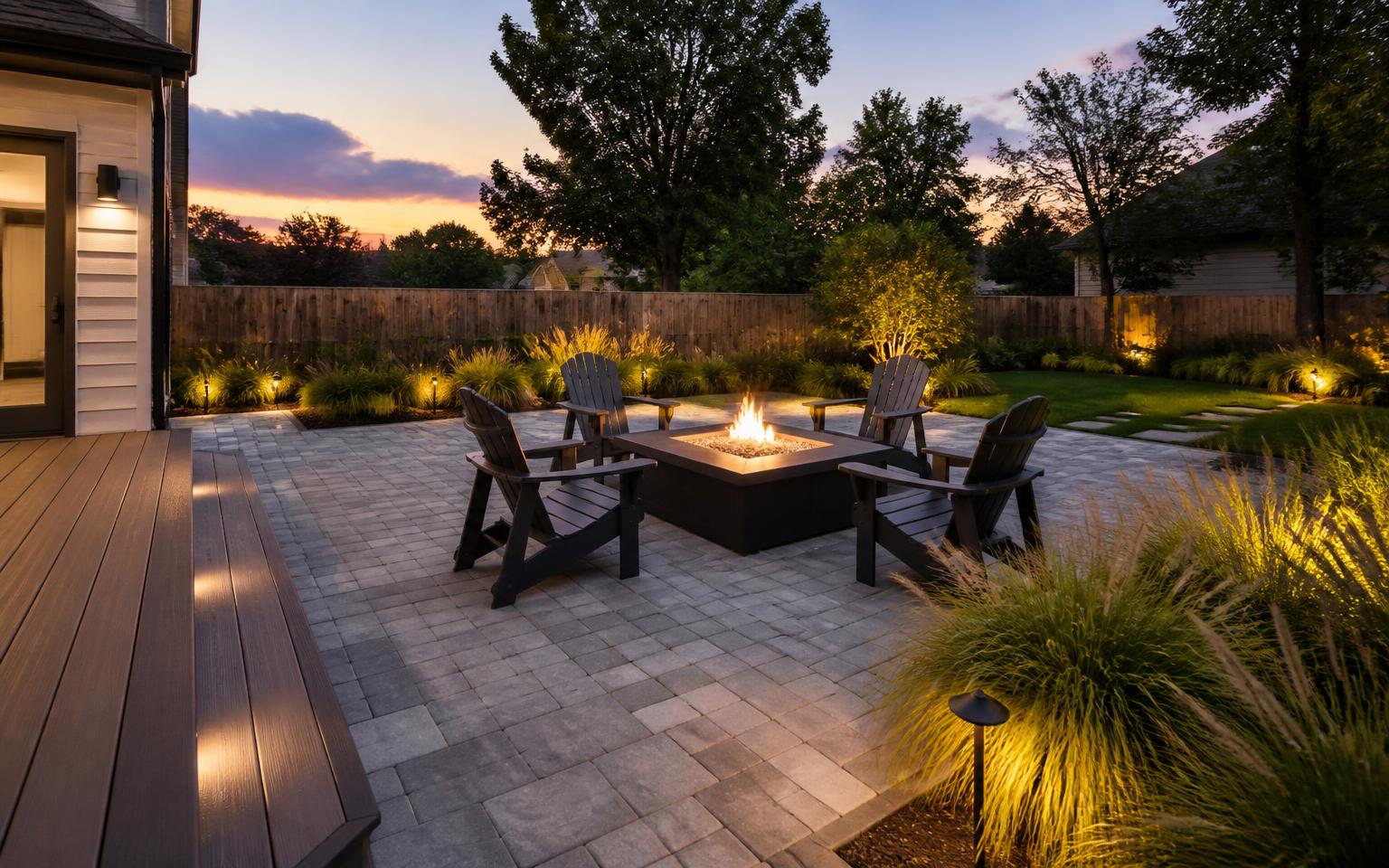
Real estate listings that mention a patio or deck sell faster and often for more. A 12-by-14-foot paver patio built on a compacted gravel base is well within DIY range and typically returns 60 to 80 percent of its cost at resale, according to regional appraisal data and industry benchmarks. NAR Remodeling Impact Report
If you already have a slab or deck, define it further with an outdoor rug, weatherproof lighting, and a matched furniture set. Buyers imagine themselves living in defined rooms, not empty rectangles.
3. Layer the Yard With Trees and Shrubs
Mature shade trees are often cited by buyers as a desirable feature, and appraisers may note them when comparing similar homes, though any effect on price depends on the local market, the species, and the tree's condition. Plant medium-sized, non-invasive species like serviceberry, redbud, or dogwood twelve to twenty feet from the house.
Below the trees, layer evergreen shrubs like boxwood or inkberry for winter structure, then flowering shrubs like hydrangea, spirea, or ninebark for seasonal color. Layered planting reads as intentional and looks finished from day one.
4. Use Native Plants for Low Maintenance and Real Value
Native plants adapted to your USDA hardiness zone need less water, less fertilizer, and less babysitting than most nursery ornamentals. That matters to today's buyers, who are increasingly asking about maintenance costs and drought tolerance. USDA Plant Hardiness Zone Map
Check with your local county extension office or the Xerces Society for lists specific to your region. Perennials like coneflower, black-eyed Susan, milkweed, and switchgrass thrive across much of the country and support pollinators, which is a growing selling point. Xerces Society for Invertebrate Conservation
5. Refresh Mulch and Redefine Beds Every Spring
Nothing turns around a tired yard faster than fresh dark mulch and clean bed lines. Two to three inches of hardwood or pine bark mulch suppresses weeds, retains moisture, and gives the entire landscape a magazine-cover finish for under $200 in most suburban yards.
Reshape beds with gentle curves rather than sharp angles; curves photograph better and feel calmer. Extend beds outward from the house to soften the transition between architecture and lawn.
6. Add Low-Voltage Landscape Lighting
Buyers tour homes in the evening, and a yard that glows at dusk creates an emotional response no daytime photo can match. A basic low-voltage kit with a transformer, path lights, and two or three uplights costs $200 to $500 and installs in an afternoon.
Uplight one specimen tree, wash the front of the house with two well-placed fixtures, and space path lights every eight feet along walkways. Warm 2700K bulbs feel more like home than cool white.
7. Create a Simple Outdoor Cooking Zone
You do not need a $15,000 outdoor kitchen to signal outdoor cooking. A stone or paver pad, a quality grill, a small prep cart, and a shade element are enough. The visual promise of dinners outside is what buyers respond to.
Tuck the cooking zone near the kitchen door so smoke drifts away from seating and food travel is short. That single planning decision matters more than any appliance you install.
8. Introduce a Small Water Feature
A recirculating bubbler in a stone bowl or a pondless disappearing fountain adds sound, movement, and a sense of luxury for a modest cost. Kits from most home centers run $150 to $400 and install in a weekend.
Skip full koi ponds unless you are truly committed; they scare off buyers who see maintenance liability. A tidy, low-maintenance feature does the emotional work without the upkeep.
9. Solve Privacy With Planted Screens
Fence lines are useful; green privacy is memorable. A staggered row of arborvitae, holly, or clumping bamboo (where legal) softens the yard and creates the feeling of a secluded retreat, which appraisers and buyers value in dense neighborhoods.
For quicker screening, combine a horizontal cedar fence panel section with two or three columnar evergreens. The mix reads as designed rather than defensive.
10. Connect the Yard With Clear Walkways
A yard without a path forces guests to guess. Add a flagstone or stepping-stone walk connecting the driveway, side gate, patio, and back door. Paths signal intention and make the yard feel navigable, which is exactly the impression you want during a showing.
Keep walks at least 36 inches wide for comfortable two-person passage, and set stones on a compacted base with polymeric sand between joints so weeds do not return.
Where to Spend First if Your Budget Is Tight
If you only have a weekend and a few hundred dollars, start with lawn edging, fresh mulch, and two or three well-placed shrubs near the front of the house. These three moves consistently return a high visual impact per dollar.
Save the patio, water feature, and lighting kit for phase two, once you have the bones looking sharp.
Landscaping Project Value Comparison
Use this table to prioritize your landscaping budget based on typical value impact. While these are averages, the specific value added often depends on your neighborhood's 'standard' of care.
| Project Type | Estimated Cost | Typical Value Impact | Impact Level |
|---|---|---|---|
| Basic Lawn Maintenance | $300 - $500 | High Return | High |
| Paver Patio (12x14) | $2,000 - $4,500 | 60-80% | Medium |
| Privacy Hedge (Evergreens) | $500 - $1,500 | 70-90% | High |
| Low-Voltage Lighting | $300 - $800 | 50%+ | High (Emotional) |
| Mature Shade Tree | $200 - $500 | High (Long-term) | Medium |
Common Landscaping Mistakes That Hurt Value
Not all landscaping projects are winners. Avoid these high-cost, low-return moves when planning for resale:
Sources & References
• National Association of Realtors: 2023 Remodeling Impact Report: Outdoor Projects
• USDA: Pollinator-Friendly Planting Guides
• EPA WaterSense: Smart Irrigation and Water Conservation
Frequently Asked Questions
How much does landscaping add to home value?
There is no reliable universal figure. Industry surveys such as the National Association of Realtors Remodeling Impact Report suggest well-executed landscaping can influence how a property is valued, but the effect varies widely by market, property, appraiser, and buyer preference. Treat any percentage you see quoted as a rough industry estimate rather than a guaranteed return.
What is the cheapest landscaping upgrade with the biggest impact?
Fresh dark mulch, crisply edged lawn borders, and a few flowering shrubs near the entry are often cited as strong value per dollar spent, though actual results vary by property and market.
Should I hire a designer or DIY?
For projects under $5,000 and simple layouts, most homeowners can DIY successfully. For grading, drainage, or full yard redesigns, a two-hour consult with a local professional typically saves more than it costs.
How long before new landscaping looks mature?
Perennials fill in within two seasons, shrubs within three to five years, and trees really hit their stride at seven to ten years. Buying larger nursery stock accelerates the look but costs more upfront.
Conclusion
Improving how a yard presents does not take an overhaul. Pick two or three of the ten ideas above, execute them cleanly, and give the plants a season to settle in. A well-maintained yard signals to future buyers that the entire property has been cared for. For the most visible part of the curb appeal equation, see our spring lawn care checklist.
About the author
Outdoor Living & Landscaping Contributor
Adilson covers topics related to gardens and outdoor spaces: planting plans, patios and pathways, drainage and slope, and the advantages and disadvantages of lawn alternatives.
More from Adilson VieiraPublished · Updated
Related articles
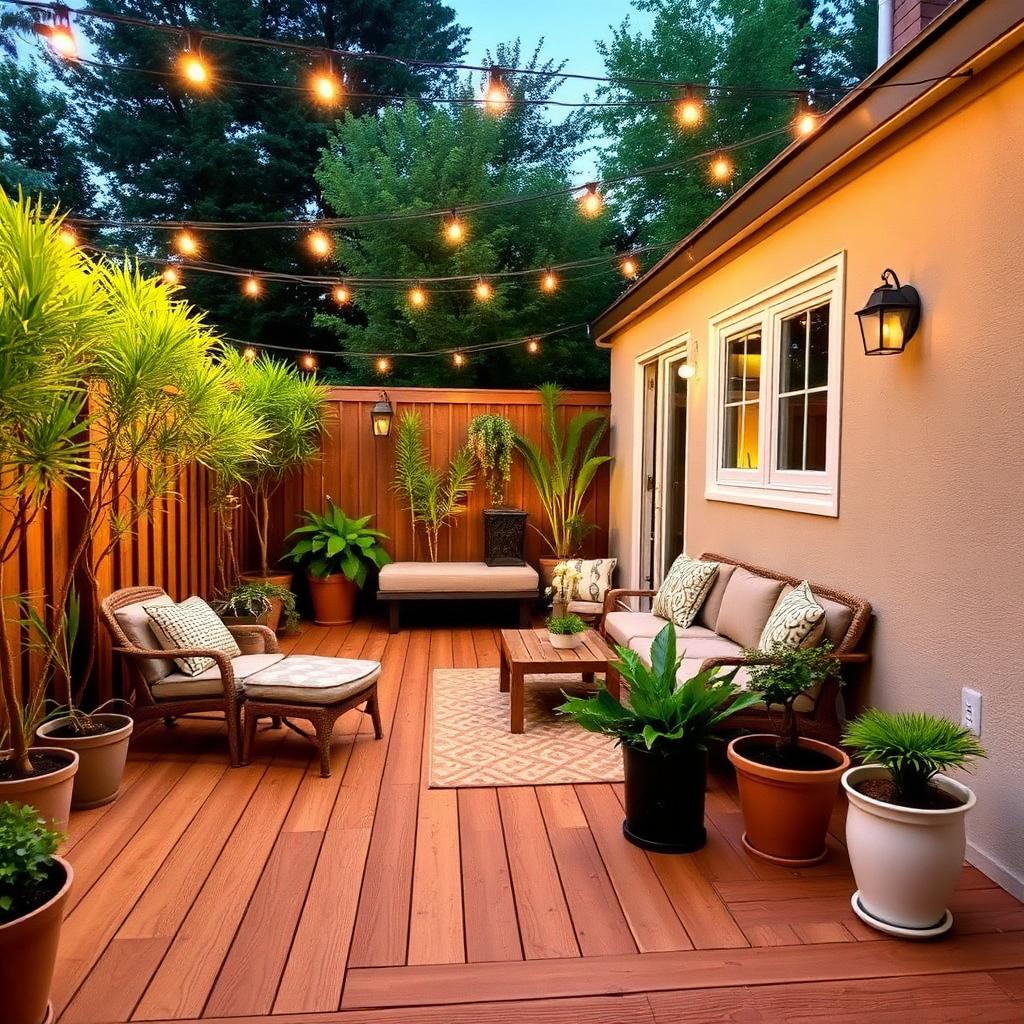
Small Backyard Design Ideas for Modern Homes
How to make a small backyard feel intentional, spacious, and modern with the design moves professional landscapers use most.
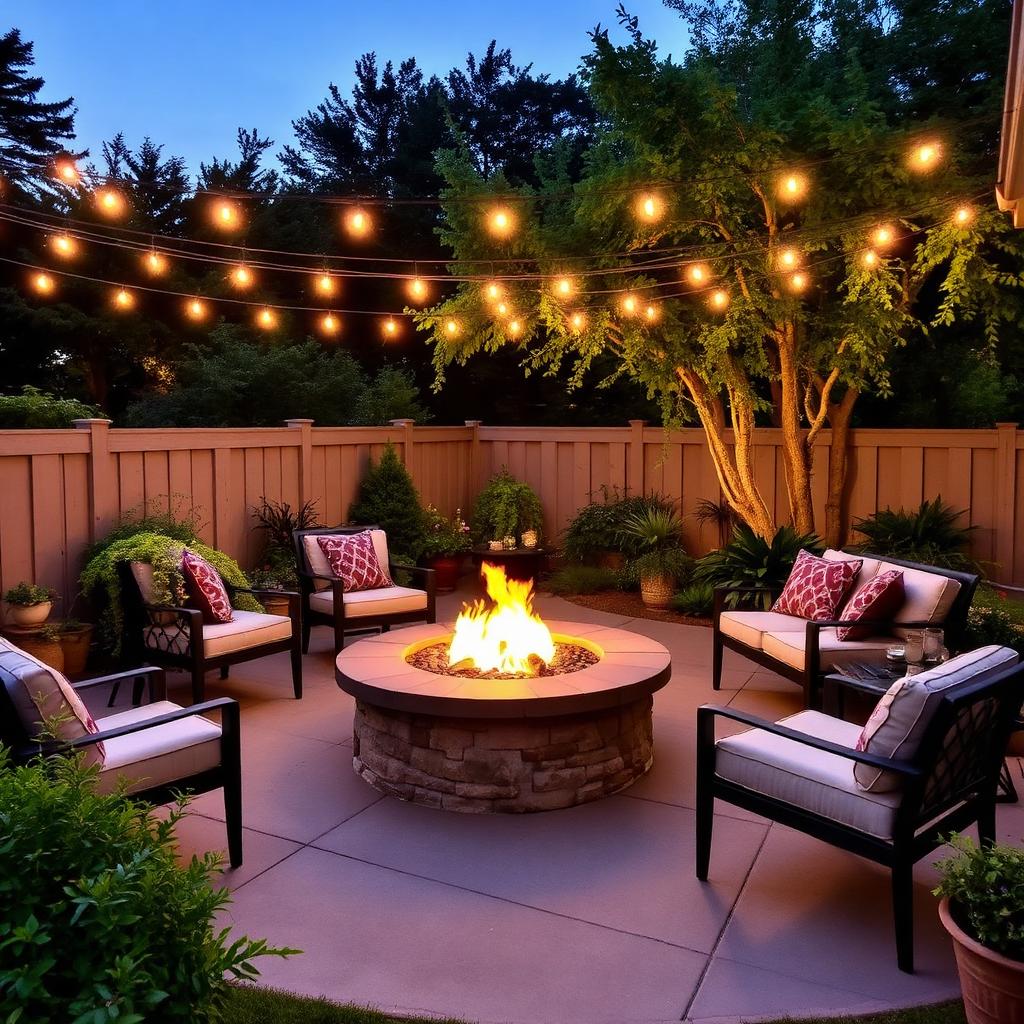
A Homeowner Guide to Creating an Outdoor Living Space
A design-forward, homeowner-friendly playbook for turning a plain yard into an outdoor living space you actually use every week.
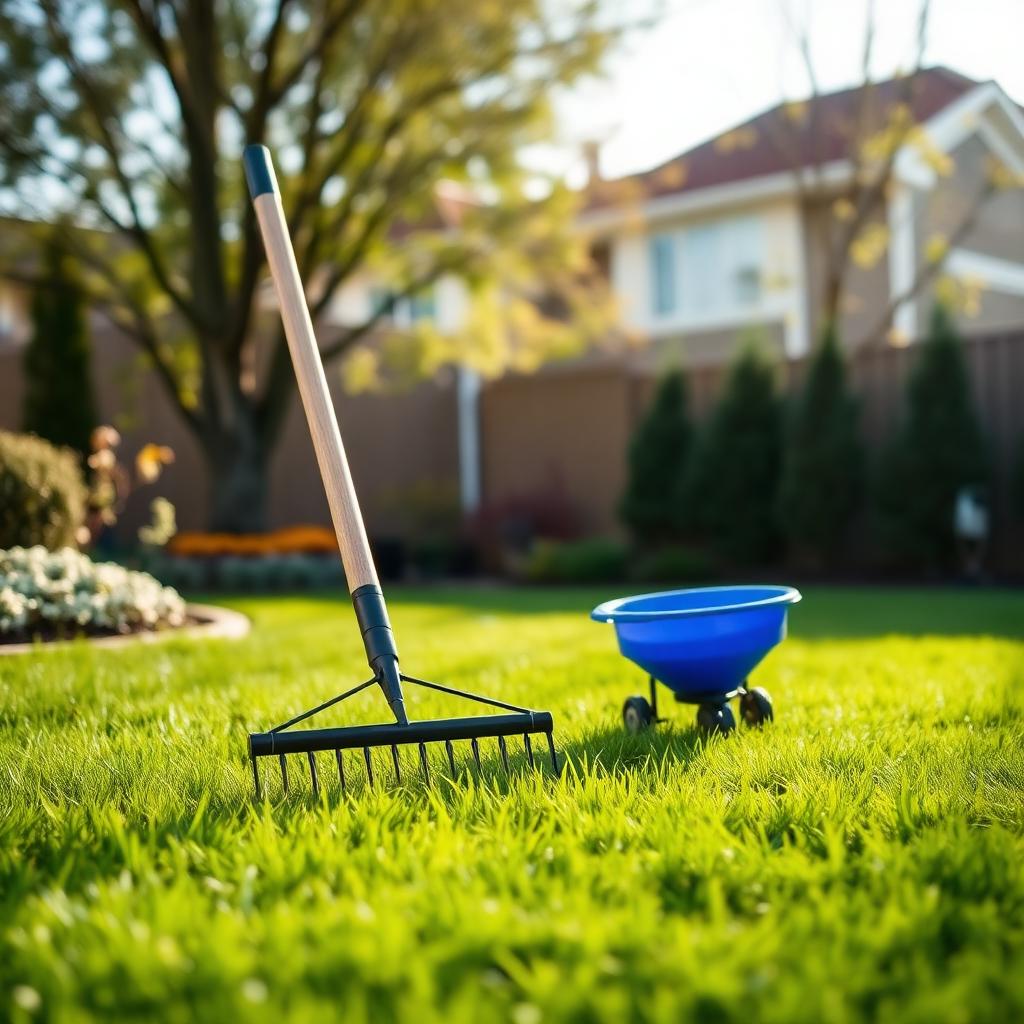
Spring Lawn Care Checklist for a Healthy Yard
The eight-step spring lawn care routine for a thicker, healthier lawn by early summer.
7 Outdated Backyard Trends That May Make a Home Less Appealing to Buyers
American buyers now shop for low-maintenance, multi-functional outdoor living. These seven dated backyard features can impact the attractiveness of offers — and each one has a modern, more practical replacement that can better suit current homeowner preferences.
Fresh home & garden ideas, every Sunday.
Join American homeowners getting practical home & garden advice on gardening, landscaping, and DIY. Free, no spam, unsubscribe anytime.