How to Choose Mulch for Flower Beds and Gardens
Which mulch to use where, how much to apply, and the common mistakes that starve or drown plants.
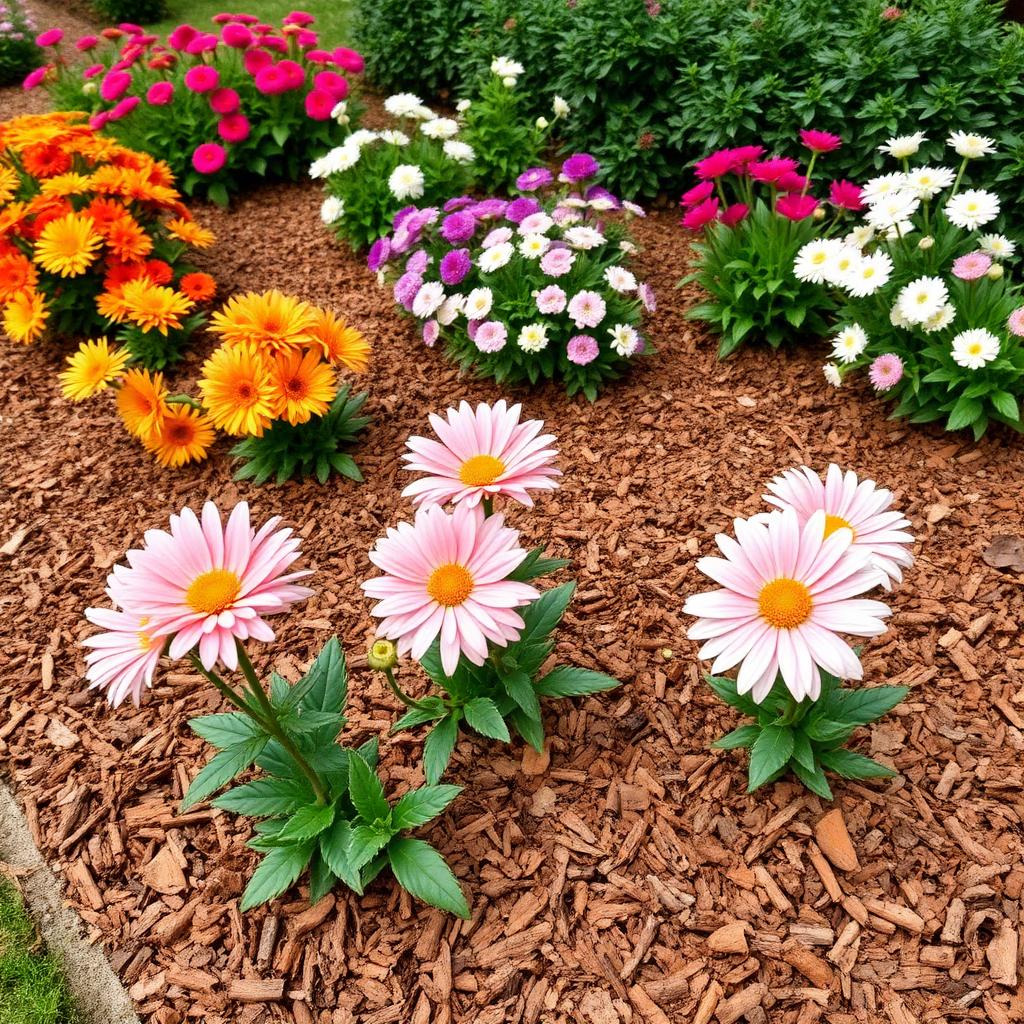
The right mulch helps reduce watering needs, blocks most weeds, moderates soil temperature, and slowly feeds the soil as it breaks down. The wrong mulch, applied wrong, can suffocate roots and encourage disease. USDA NRCS: Mulching
This guide compares the most common mulches sold at U.S. garden centers, tells you which to use in flower beds versus vegetable gardens versus around trees, and walks through the right way to apply.
Shredded Hardwood: The Default Winner
Shredded hardwood is the most-used mulch in America for a reason. It interlocks so it stays put on slopes, breaks down slowly, feeds the soil, and looks tidy. It is my default for flower beds around foundation plantings.
Choose a natural (undyed) product when possible; the black and red dyed mulches often use recycled construction lumber that can contain contaminants.
Pine or Fir Bark Nuggets
Large bark nuggets look great around trees and shrubs and last two to three years. They float, though, so avoid them on slopes or where water runs across the bed.
Pine Straw
A Southern favorite for a good reason: it is light, easy to spread, breathable, and slightly acidifies soil, which flowering shrubs like azaleas and camellias love. Refresh yearly.
Arborist Wood Chips
Free from tree services in most cities and excellent around fruit trees and mature perennial beds. Chips are coarser and take longer to break down than shredded mulch, so keep them away from tender annuals until they mellow for a season.
Do not till fresh chips into soil; they temporarily rob nitrogen. On the surface, they are ideal.
Shredded Leaves
The best free mulch you can get. Run the mower over fall leaves and pile them two to three inches deep in beds. Earthworms will pull them into the soil by spring, adding organic matter you would otherwise pay for.
Straw (Not Hay)
Straw is the vegetable garden staple. It is clean, light, and easy to move as you rotate crops. Buy straw, not hay; hay carries weed seeds.
Also watch out for straw sprayed with persistent herbicides; ask the supplier before buying by the bale.
Rubber Mulch: Skip It in Gardens
Rubber mulch has a place under playground equipment but not in your garden. It does not feed the soil, retains too much heat, and can leach zinc and other compounds as it degrades.
How Much Mulch to Apply
Two to three inches is the sweet spot for most mulches around perennials and shrubs. One and a half to two inches is enough for annuals and vegetables where you replant often. Deeper than four inches starts to smother roots and repel water.
A cubic yard of mulch covers roughly 100 square feet at three inches thick.
Never 'Volcano Mulch' Trees
Piling mulch against a tree trunk traps moisture, invites rodents, and rots bark. Instead, spread mulch in a wide flat 'donut' out to the drip line, keeping the mulch pulled back 3 to 4 inches from the trunk.
Frequently Asked Questions
What is the best mulch to prevent weeds?
Shredded hardwood or shredded leaves at 3 inches deep, laid over a thin cardboard layer, gives the best weed suppression while still feeding the soil.
When should I mulch?
Spring after the soil warms is the main application. A light fall top-up protects roots through winter and refreshes the look.
Can I mulch over weeds?
Pull perennial weeds first. Annual weeds can be smothered under a layer of cardboard topped with three inches of mulch.
Do I need landscape fabric under mulch?
Usually no. Fabric blocks soil life from decomposing mulch and eventually clogs, which makes future planting harder. A layer of cardboard breaks down and does the same short-term job better.
Conclusion
Pick the mulch that matches the job, apply it two to three inches deep, and keep it off tree trunks. A single afternoon of mulching does more for the health and look of your garden than almost any other maintenance task. Mulching is a key part of our spring lawn care checklist and a standard step in starting a vegetable garden.
About the author
Editorial Contributor
Sarah writes the gardening and houseplant guides here — seasonal tasks, soil and watering, planting ideas, and the ordinary problems that come up between spring and frost.
More from Sarah MitchellPublished · Updated
Related articles
10 Practical Backyard Landscaping Ideas That Can Help Home Value
Ten realistic backyard landscaping projects that can improve curb appeal and how a home presents to buyers, ranked by cost and effort.
How to Start a Vegetable Garden: A Practical Beginner's Guide
Everything a first-year gardener actually needs to know to grow real food this season, without the overwhelm.
Spring Lawn Care Checklist for a Healthy Yard
The eight-step spring lawn care routine for a thicker, healthier lawn by early summer.
Fresh home & garden ideas, every Sunday.
Join American homeowners getting practical home & garden advice on gardening, landscaping, and DIY. Free, no spam, unsubscribe anytime.