10 Common Gardening Mistakes and How to Avoid Them
Common gardening mistakes that can cause problems each season, and the simple fix for each.
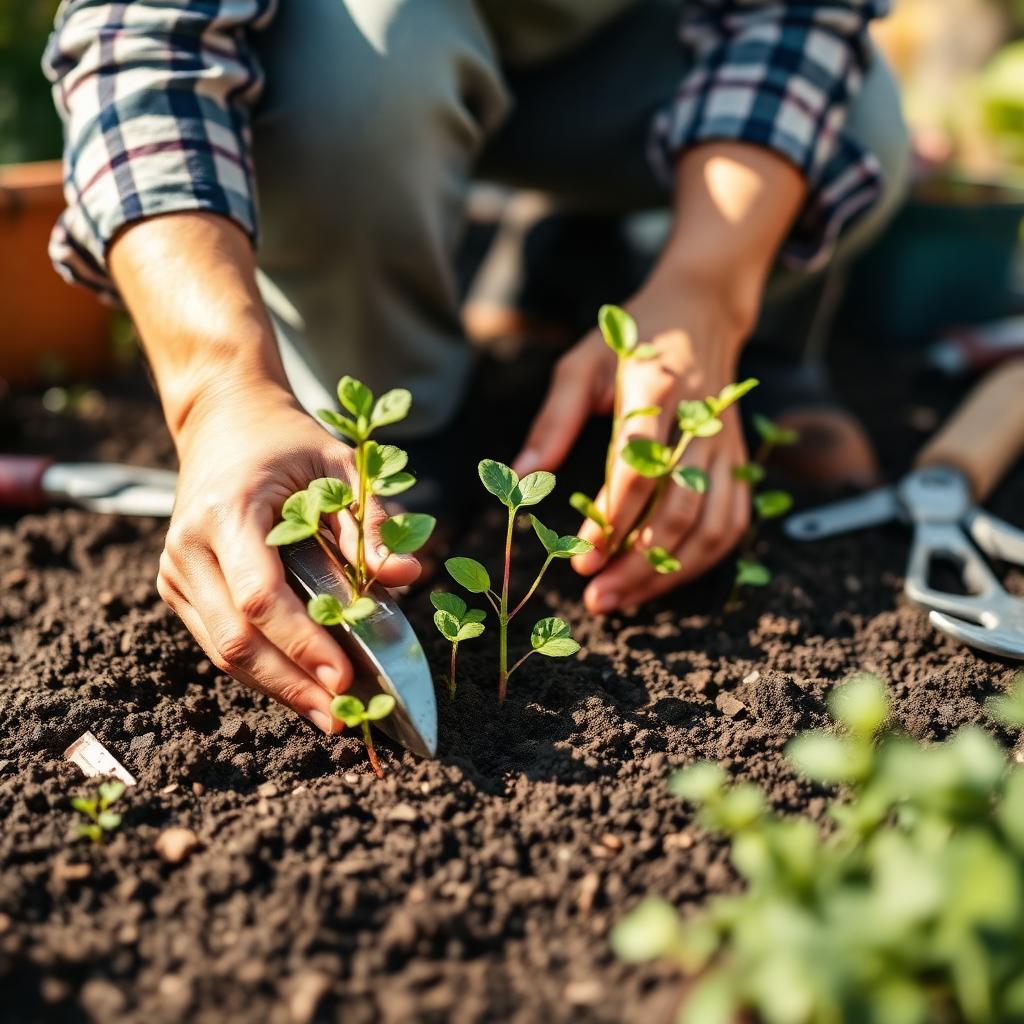
The mistakes that cost gardeners a season are remarkably consistent: watering too often and too shallowly, planting in the wrong light, and crowding beds in spring. Most take one change of habit to fix, not more work.
Here are the ten common mistakes homeowners make most often, organized by their impact on plant health and yield.
1. Planting Sun-Lovers in Shade
Tomatoes, peppers, squash, and roses all need at least six hours of direct sun. Sticking them in a spot that gets three hours usually means stunted plants and little to no harvest. Track the sun in your yard for a full day before you plant, not after.
2. Overwatering
Well-meaning daily sprinkling encourages shallow roots, invites fungal disease, and rots container plants. Water deeply, less often. Use the finger test: if the top inch of soil is moist, wait.
3. Planting Warm-Season Crops Too Early
Tomatoes and peppers put out in the yard two weeks before your average last frost sit and sulk, catch disease, and rarely catch up to plants set out at the right time. Wait until soil temperature reaches 55 to 60°F.
4. Skipping the Soil Test
You cannot fix what you have not measured. A soil test from your state extension office will save you far more in wasted fertilizer and lime, plus tell you if you have a lead problem worth knowing about. USDA NRCS Soil Education
5. Over-Fertilizing
More is not better. Excess nitrogen produces leafy plants with few flowers or fruits and burns roots outright. Follow label rates and lean on compost for long-term fertility.
6. Crowding Plants
Seed packets and nursery tags list mature spacing for a reason. Crowding invites disease, competition, and disappointment. Space now for the plant you want, not the transplant you have.
7. Not Mulching
An unmulched bed dries out faster, grows more weeds, and cooks roots in summer heat. Two to three inches of mulch on every bed is the single easiest way to make your garden more resilient.
8. Reaching for Pesticides First
Blanket spraying kills the pollinators and beneficial insects that would eat your pests for you. Identify the problem first, hand-pick or blast off with water where possible, and use targeted treatments only when needed.
9. Planting for the Wrong Zone
A shrub rated for USDA zones 7 to 9 will not survive a Minnesota winter no matter how much you love it. Learn your hardiness zone (and your heat zone) and shop accordingly.
10. Not Keeping Notes
A three-line note each week - what you planted, what pests you saw, when the first tomato ripened - turns one year of experience into a real gardening education by year three. Your future self will thank you.
Sources & References
• USDA NRCS: Soil Education and Health Principles
• University of Illinois Extension: Common Gardening Mistakes to Avoid
• UMass Extension: Soil Testing for Home Gardeners
Frequently Asked Questions
What is the number-one mistake new gardeners make?
Overwatering, closely followed by planting warm-season crops too early. Both are enthusiasm problems and both are easy to fix.
How can I tell if my soil is any good?
A soil test through your state's land-grant university lab gives you pH, nutrients, and organic matter for $15 to $25. That is the definitive answer.
Do I need to rotate my crops in a small garden?
Yes. Even a 4-by-8-foot bed benefits from moving tomatoes, peppers, and squash to a different quarter of the bed each year to reduce soilborne disease.
Is it too late to start gardening in summer?
No. Warm-season herbs, beans, cucumbers, and heat-tolerant greens can all be started well into June, and a fall garden of lettuce, kale, and radishes can be planted in late summer.
Conclusion
Pick the one mistake on this list that sounds most like your garden and fix that one first — usually watering or sunlight, since both affect everything else. New growers can work from our vegetable garden for beginners guide, which sequences these decisions from the start.
About the author
Editorial Contributor
Sarah writes the gardening and houseplant guides here — seasonal tasks, soil and watering, planting ideas, and the ordinary problems that come up between spring and frost.
More from Sarah MitchellPublished · Updated
Related articles
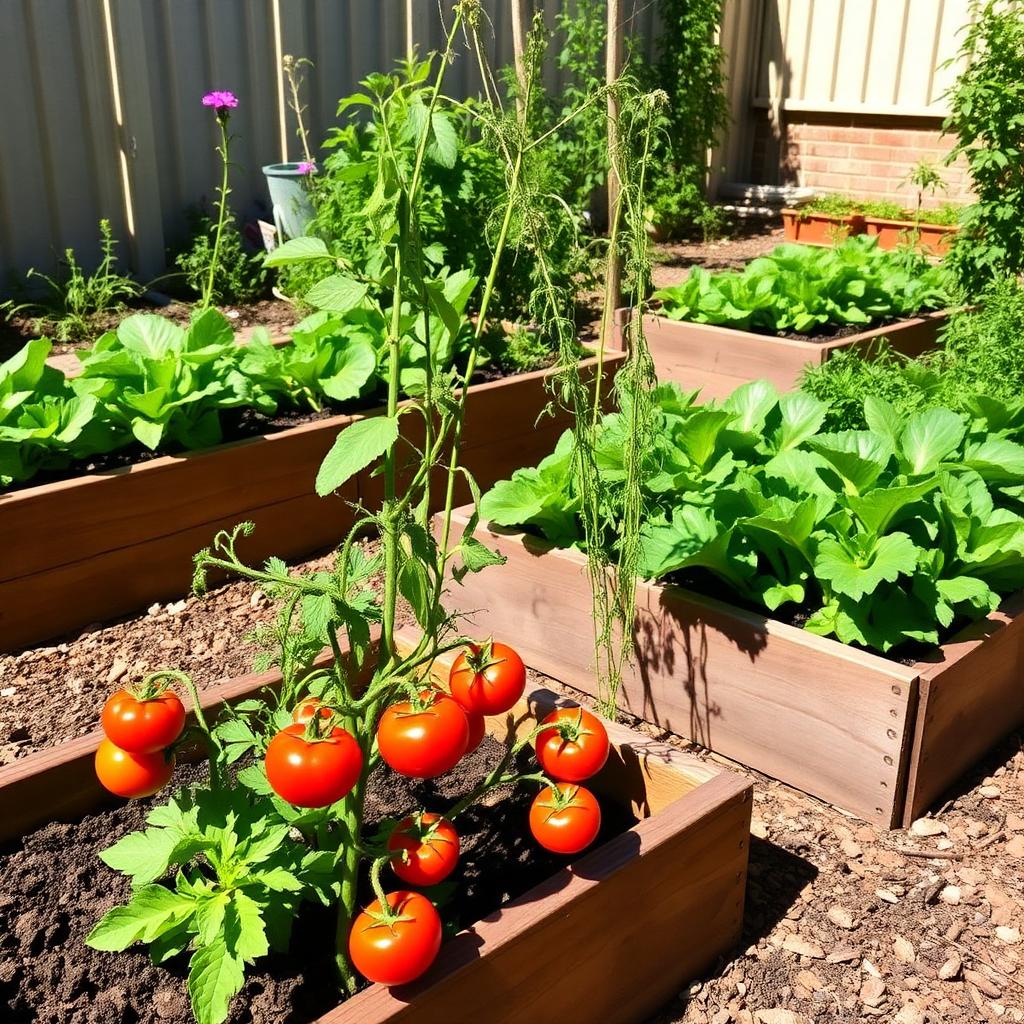
How to Start a Vegetable Garden: A Practical Beginner's Guide
Everything a first-year gardener actually needs to know to grow real food this season, without the overwhelm.
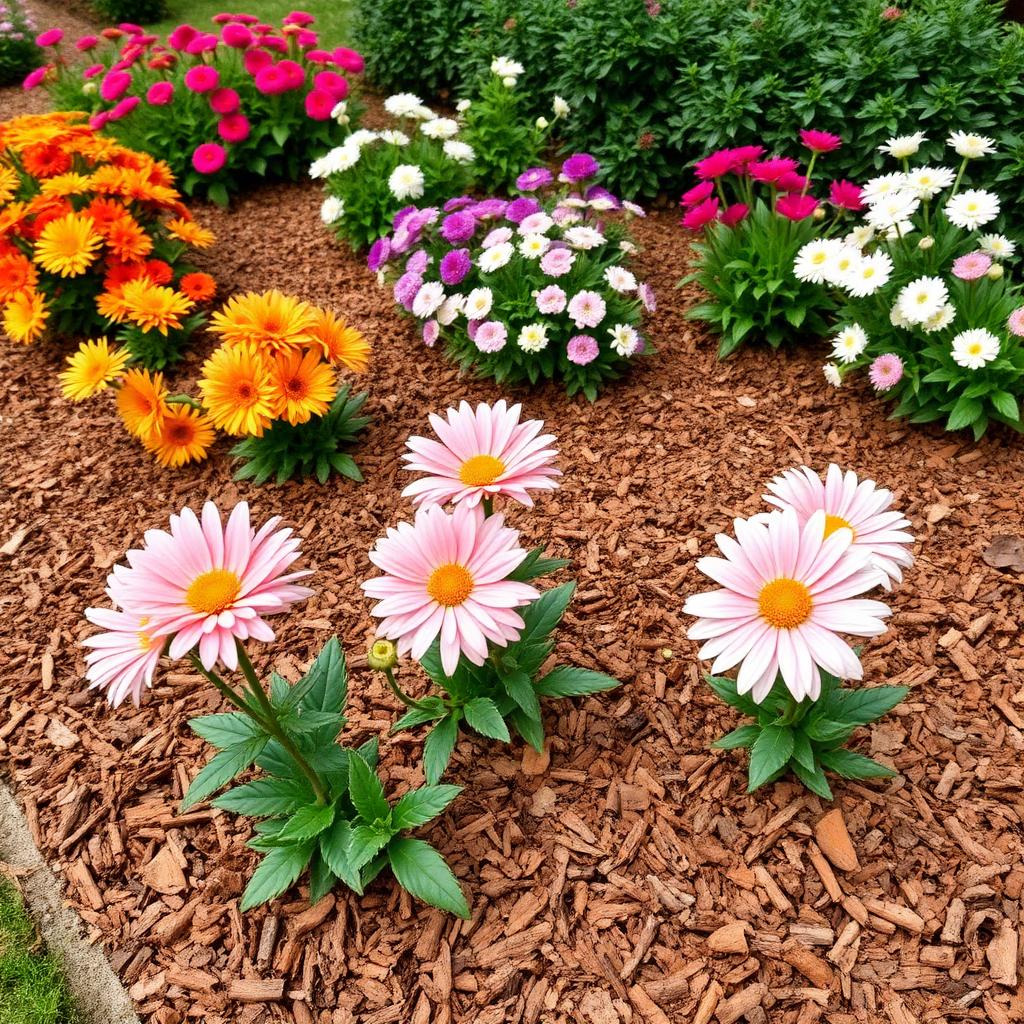
How to Choose Mulch for Flower Beds and Gardens
Which mulch to use where, how much to apply, and the common mistakes that starve or drown plants.
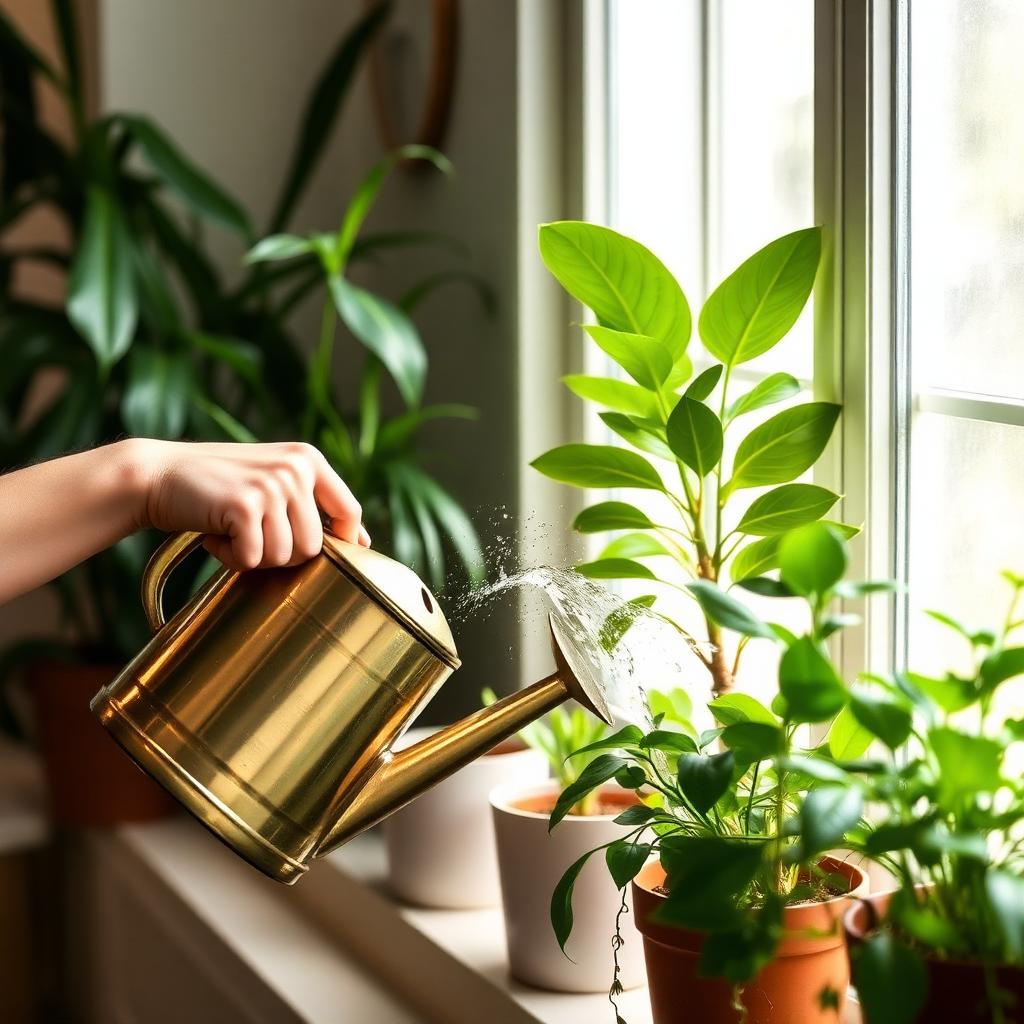
How Often Should You Water Indoor Plants?
Forget the calendar. Learn the finger test, the pot-weight trick, and the light-based watering rhythm that keeps houseplants alive for years.
Fresh home & garden ideas, every Sunday.
Join American homeowners getting practical home & garden advice on gardening, landscaping, and DIY. Free, no spam, unsubscribe anytime.