5 Garden Practices That May Violate Local HOA or Municipal Rules
Before starting your next outdoor project, check for these five common municipal and HOA code oversights that can lead to unexpected delays or fines.
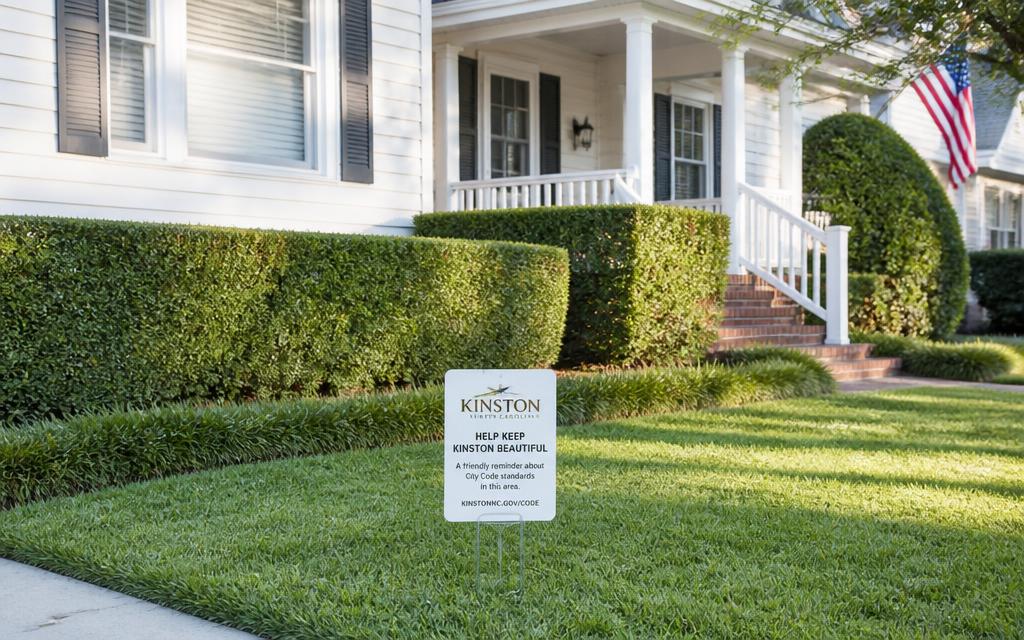
Developing a residential garden involves more than just selecting plants; it requires an understanding of local municipal codes and safety standards. Many common landscaping choices are governed by regulations designed to protect property values, ensure public safety, and manage environmental impact.
Failing to account for these rules can lead to project delays or required modifications. Before beginning a significant outdoor project, it is essential to verify compliance with local zoning, environmental regulations, and Homeowners Association (HOA) policies.
1. Unregulated Rainwater Harvesting
Collecting rainwater sounds like the ultimate sustainable gardening method. However, in several US states (particularly in the West), water rights laws strictly regulate or limit how much rain you can capture off your roof. DOE: Rainwater Harvesting
- The Restriction: Installing massive barrel networks that divert natural runoff into private storage without a permit.
- The Compliance Step: Check your state's water rights division. Most states now allow up to two 55-gallon barrels for personal residential use without special permits.
2. Planting Invasive "Privacy Hedges" Across Property Lines
Providing visual privacy with fast-growing bamboo, English ivy, or running bamboos might seem smart, but aggressive invasive plants can spread across property boundaries.
- The Violation: Encroachment laws hold you legally liable if your invasive root systems cross into a neighbor's yard, damage underground pipes, or crack their concrete patio.
- The Legal Fix: Opt for non-invasive native alternatives like clumping bamboo, Emerald Green arborvitae, or boxwoods, and always plant them at least 3 feet inside your actual property boundary.
3. Building Tall DIY Privacy Fences Without Zoning Permits
Installing an 8-foot tall wood or vinyl fence to block out the street provides privacy, but almost every city in the US limits backyard fences to 6 feet (and front yard fences to 3 or 4 feet).
- The Violation: Erecting structures above local height limits or failing to call 811 to check underground utility lines before digging post holes. It is a free federal service that marks your underground utility lines so you don't hit a gas main or electrical conduit while trenching. 811: Call Before You Dig
- The Legal Fix: Submit your plans to your local municipal zoning office or HOA board first, or consider planting approved tall shrubs that provide natural screening without structural height limits.
4. Unapproved Fire Pits and Outdoor Fireplaces
A fire pit is a common feature of American outdoor living, but lighting up wood fires under low-hanging tree branches or too close to a wooden deck violates local fire safety ordinances.
- The Violation: Operating open flames within 15 to 25 feet of a combustible structure or ignoring local seasonal burn bans.
- The Legal Fix: Buy an ETL/UL-certified smokeless propane fire table, or position your wood-burning pit on a non-combustible stone patio at least 15 feet away from all structures and trees.
5. Front Yard Vegetable Gardens in HOA Communities
Growing your own organic tomatoes in raised beds in the front yard is gaining interest, but many suburban HOAs explicitly mandate uniform turf lawns.
- The Violation: Replacing mandated grass lawns with exposed soil, raised timber beds, or agricultural netting without architectural review approval.
- The Legal Fix: Plant "edible landscaping" where food blends into traditional flower beds (like colorful Swiss chard, blueberry bushes, or rosemary hedges), or keep raised beds neatly contained in the backyard.
Sources & References
• DOE: Rainwater Harvesting and Water Rights
• USDA NRCS: Living Fences and Privacy Screens
• EPA WaterSense: Smart Landscaping and Water Management
Frequently Asked Questions
Is collecting rainwater regulated in the United States?
It is legal in most states, but regulated in some Western states where downstream water rights apply. For example, some states allow up to two rain barrels totaling 110 gallons at a single-family home. Always confirm with your state water resources division before installing a larger system.
How tall can a backyard fence be without a permit?
Most US municipalities cap backyard fences at 6 feet and front yard fences at 3 to 4 feet. Anything taller usually requires a zoning variance, and many cities also require a permit for any fence over 4 feet regardless of location.
Can my HOA really force me to remove a vegetable garden?
Yes, if the recorded covenants require uniform turf lawns or architectural approval for landscape changes. A few states have passed right-to-garden laws limiting HOA power, but in many communities the recorded bylaws still control front yard plantings.
Am I liable if my bamboo spreads into a neighbor's yard?
In most states, yes. Encroachment and nuisance law can make you responsible for removal costs and for damage to pipes, patios, or foundations caused by running roots. Clumping species and root barriers dramatically reduce that risk.
Do I need a permit for a backyard fire pit?
Permanent masonry fire features often require a permit, while portable pits usually do not. Nearly every jurisdiction enforces clearance rules of 15 to 25 feet from structures and honors seasonal burn bans, which apply to portable units too.
What should I check before starting any garden project?
Call 811 before digging, read your municipal zoning code for height and setback limits, and review your HOA architectural guidelines. Ten minutes of research is cheaper than a daily fine.
Conclusion
A weekend garden project should bring value and peace to your home—not a surprise letter from city hall or your HOA board. By checking your local zoning codes and HOA bylaws before making major changes, you can keep your garden beautiful, functional, and compliant with typical local standards.
About the author
Outdoor Living & Landscaping Contributor
Adilson covers topics related to gardens and outdoor spaces: planting plans, patios and pathways, drainage and slope, and the advantages and disadvantages of lawn alternatives.
More from Adilson VieiraPublished · Updated
Related articles
10 Practical Backyard Landscaping Ideas That Can Help Home Value
Ten realistic backyard landscaping projects that can improve curb appeal and how a home presents to buyers, ranked by cost and effort.
Small Backyard Design Ideas for Modern Homes
How to make a small backyard feel intentional, spacious, and modern with the design moves professional landscapers use most.
A Homeowner Guide to Creating an Outdoor Living Space
A design-forward, homeowner-friendly playbook for turning a plain yard into an outdoor living space you actually use every week.
Fresh home & garden ideas, every Sunday.
Join American homeowners getting practical home & garden advice on gardening, landscaping, and DIY. Free, no spam, unsubscribe anytime.