Apartment Herb Garden: How to Grow Fresh Herbs in Small Spaces
A practical guide to starting an apartment herb garden: assessing light, choosing the right herbs, layering drainage, watering, and fertilizing without fuss.
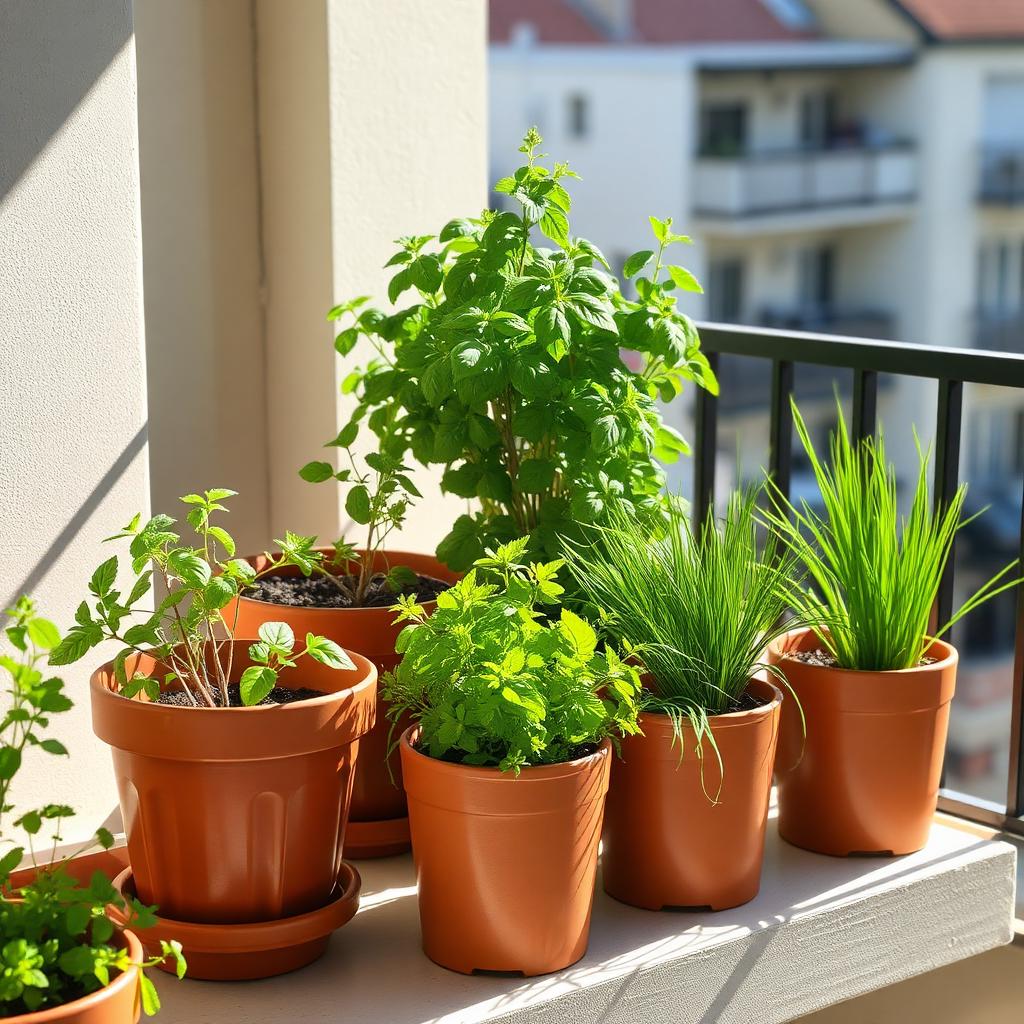
Living in an apartment is no reason to give up on fresh herbs, aromatic greens, and even a few small vegetables in your everyday cooking. A well-planned apartment herb garden fits on a narrow balcony, a kitchen windowsill, or a sunny corner of the living room — and it pays you back every single day with real flavor and a small patch of green in the middle of the city. University of Illinois Extension: Growing Herbs Indoors
This guide focuses on helping apartment dwellers start a garden from scratch, with tips for choosing suitable plants, assessing available light, and creating a manageable care routine.
Where to Start: Assessing the Light in Your Apartment
Before you buy a single plant or pot, watch your apartment for a full day. Light is the number-one success factor — more than fertilizer, fancy soil, or a pretty planter. The rule of thumb is simple: most culinary herbs need at least 4 hours of direct sunlight per day to produce flavorful leaves and avoid getting leggy (growing tall and weak while stretching toward the light).
Check three times: morning (8–10 a.m.), midday (11 a.m.–1 p.m.), and afternoon (2–4 p.m.). Note which windows or balcony spots get direct sun at each check-in. In the United States, south-facing windows get the strongest, longest sun and suit heat-lovers like basil, rosemary, and peppers. East-facing windows deliver gentler morning sun that's ideal for delicate herbs like parsley and cilantro. West-facing gets strong late-afternoon light — plenty for most herbs. North-facing rarely gets more than 2 hours of direct light and needs shade-tolerant plants or supplemental lighting.
If your apartment gets less than 4 hours of direct sun, don't give up: a full-spectrum LED grow light on a timer for 10 to 12 hours a day solves the problem, uses very little electricity, and now costs less than $30 for a decent clip-on model.
The 5 Best Herbs to Grow in Small Spaces
Start small and choose plants you actually use in the kitchen. A productive five-pot garden beats twenty neglected ones every time. These five herbs are the most forgiving for beginners and deliver the most flavor per square inch.
- Basil — loves sun and warmth. Prefers a pot at least 8 inches deep, regular watering, and frequent pinching of the top leaves to encourage bushy growth. Don't let it flower if you want tender leaves.
- Mint — almost impossible to kill. It grows so vigorously that it should always be planted alone in its own pot; otherwise it will take over its neighbors. Tolerates part shade and loves humidity.
- Chives — perennial, compact, and happy in a window with partial sun. Cut about an inch above the soil and it regrows in a few days. One healthy clump feeds a family all year.
- Rosemary — Mediterranean at heart: it wants full sun, sharply drained soil, and water only when the top of the mix is dry. Overwatering is the number-one cause of rosemary death in apartments.
- Chili peppers (jalapeño, cayenne, or shishito) — need strong sun and at least a 1-gallon pot. They flower and set fruit in 3 to 4 months and double as living decor on a sunny balcony.
Drainage and Soil
If any single mistake kills more apartment herbs than every pest combined, it's a waterlogged pot. Roots need air just as much as they need water. A pot without effective drainage turns into a puddle and rots the plant from the inside out within days.
Build the pot in four simple layers, from bottom to top:
- Drainage layer (1 inch): expanded clay pebbles, small gravel, or broken pot shards at the bottom of a pot that has drainage holes.
- Landscape fabric or a coffee filter: a thin layer that keeps potting mix from washing down and clogging the drainage holes.
- Rich potting mix: a bagged organic potting soil blended with worm castings or compost and a handful of perlite for aeration. Skip straight garden soil — it compacts in containers.
- Mulch: a thin layer of pine bark, coconut coir, or small pebbles on top slows evaporation and keeps moisture even.
Watering and Feeding Without the Fuss
Forget rigid watering schedules. The golden rule of container herb care is the finger test: push your index finger about an inch into the potting mix. If it comes out dry, water. If it comes out damp, wait another day. Simple and nearly foolproof.
Water in the early morning or late afternoon, avoiding the harsh midday sun. Soak until water drains from the bottom holes and empty the saucer after 15 minutes — standing water rots roots and breeds fungus gnats.
For fertilizing, keep it simple: mix a tablespoon of worm castings into the top inch of soil once a month, and every two weeks water with a diluted liquid organic fertilizer such as fish emulsion or seaweed extract at half the label rate. Over-fertilized herbs lose flavor — less is more.
Frequently Asked Questions
Can I grow an herb garden in an apartment without a balcony?
Yes. A windowsill that gets at least 4 hours of direct sun will support basil, chives, and mint without issue. If you don't have direct sun, use a full-spectrum LED grow light for 10 to 12 hours a day.
What size pot is best for herbs?
For most herbs, a pot 6 to 8 inches deep is plenty. Rosemary, thyme, and peppers do better in larger 10- to 12-inch pots so their roots can develop fully.
How often should I water?
It depends on the climate, the pot size, and the plant. In summer, small pots may need daily watering; in winter, once or twice a week is usually enough. Always run the finger test before you water.
Can I plant several herbs in the same pot?
Yes, as long as they share similar water and light needs. Basil, parsley, and chives get along well. Mint and rosemary should always go in separate pots — mint takes over and rosemary prefers a drier mix.
Conclusion
Start with two or three pots of the herbs you actually cook with, work with the light your apartment already gets, and let the finger test decide when to water. If only one window gets real sun, put basil there and give the mint and parsley the dimmer spot.
About the author
Editorial Contributor
Sarah writes the gardening and houseplant guides here — seasonal tasks, soil and watering, planting ideas, and the ordinary problems that come up between spring and frost.
More from Sarah MitchellPublished · Updated
Related articles
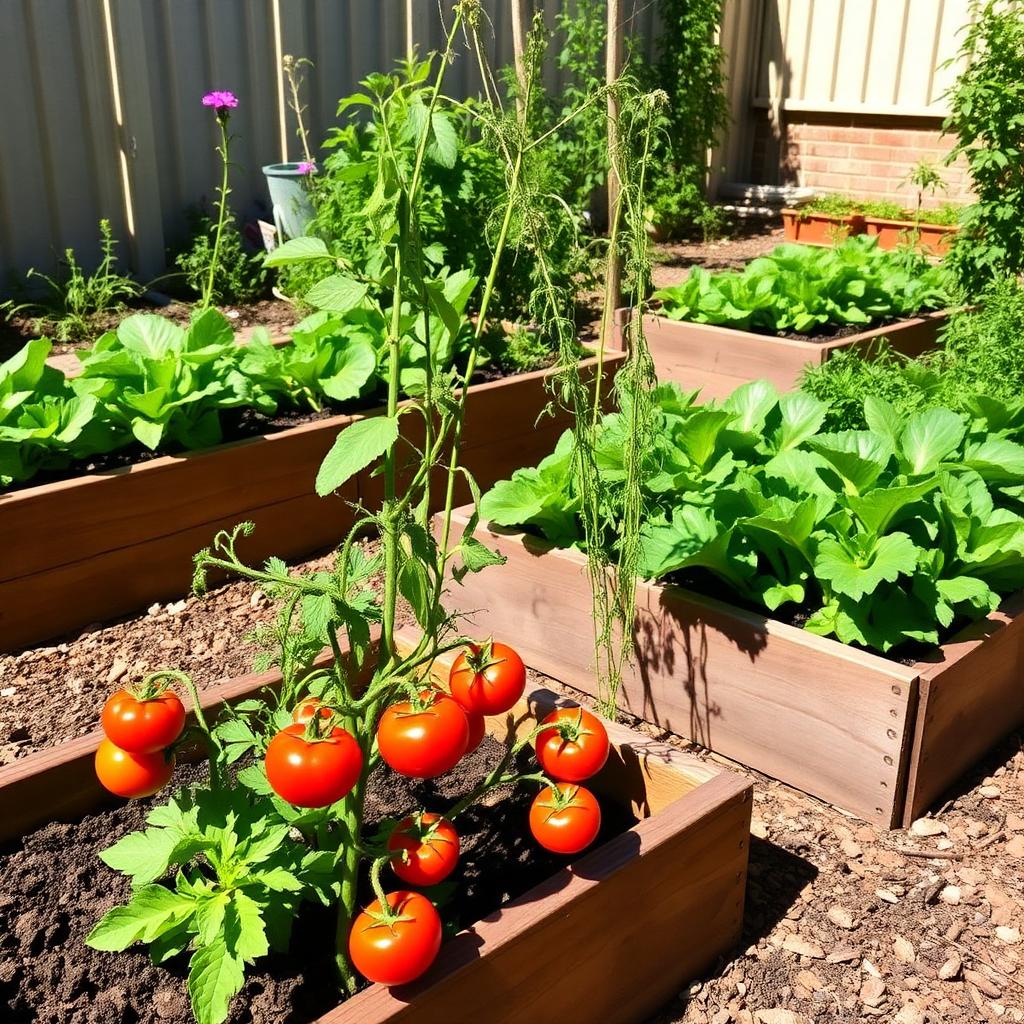
How to Start a Vegetable Garden: A Practical Beginner's Guide
Everything a first-year gardener actually needs to know to grow real food this season, without the overwhelm.

Best Indoor Plants for Low-Light Rooms: What Actually Survives
Twelve houseplants that hold up in dark apartments, north-facing windowsills, and shaded corners.
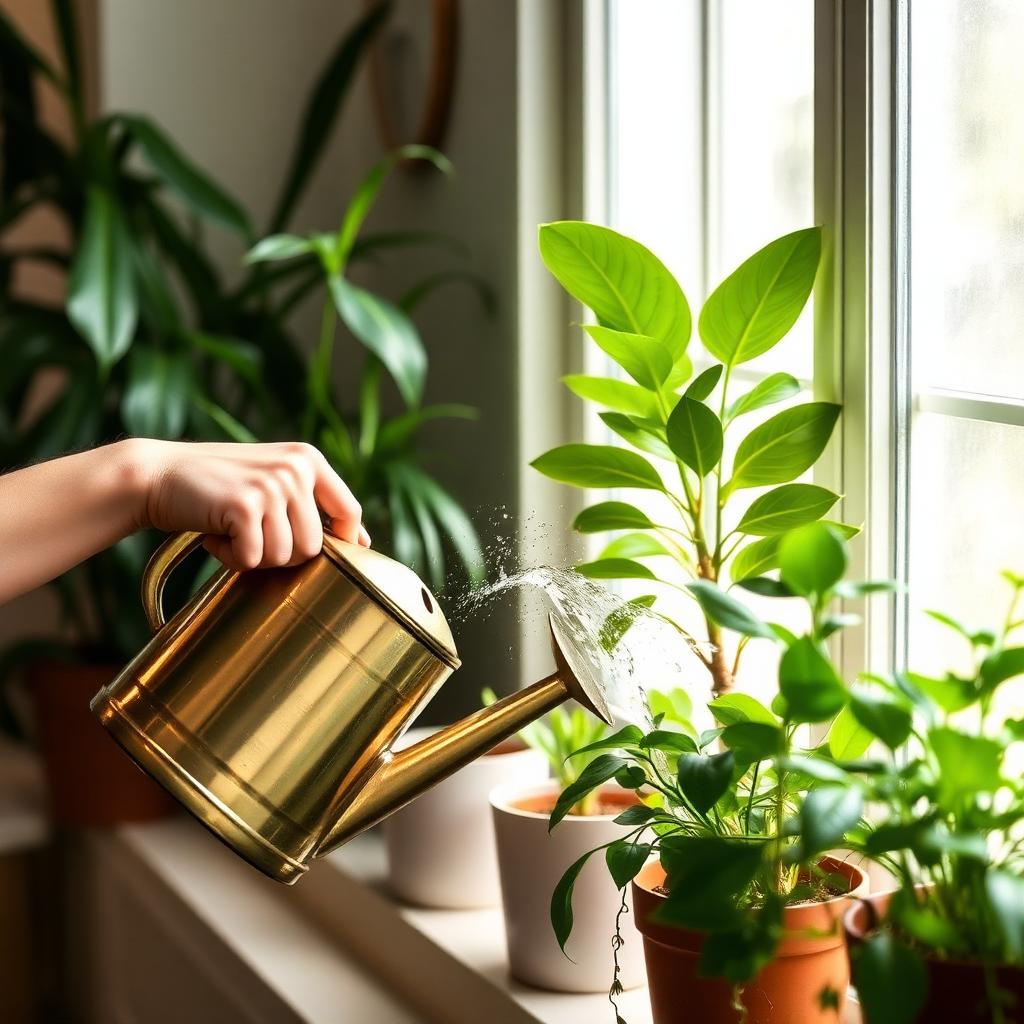
How Often Should You Water Indoor Plants?
Forget the calendar. Learn the finger test, the pot-weight trick, and the light-based watering rhythm that keeps houseplants alive for years.
Fresh home & garden ideas, every Sunday.
Join American homeowners getting practical home & garden advice on gardening, landscaping, and DIY. Free, no spam, unsubscribe anytime.