A Homeowner Guide to Creating an Outdoor Living Space
A design-forward, homeowner-friendly playbook for turning a plain yard into an outdoor living space you actually use every week.
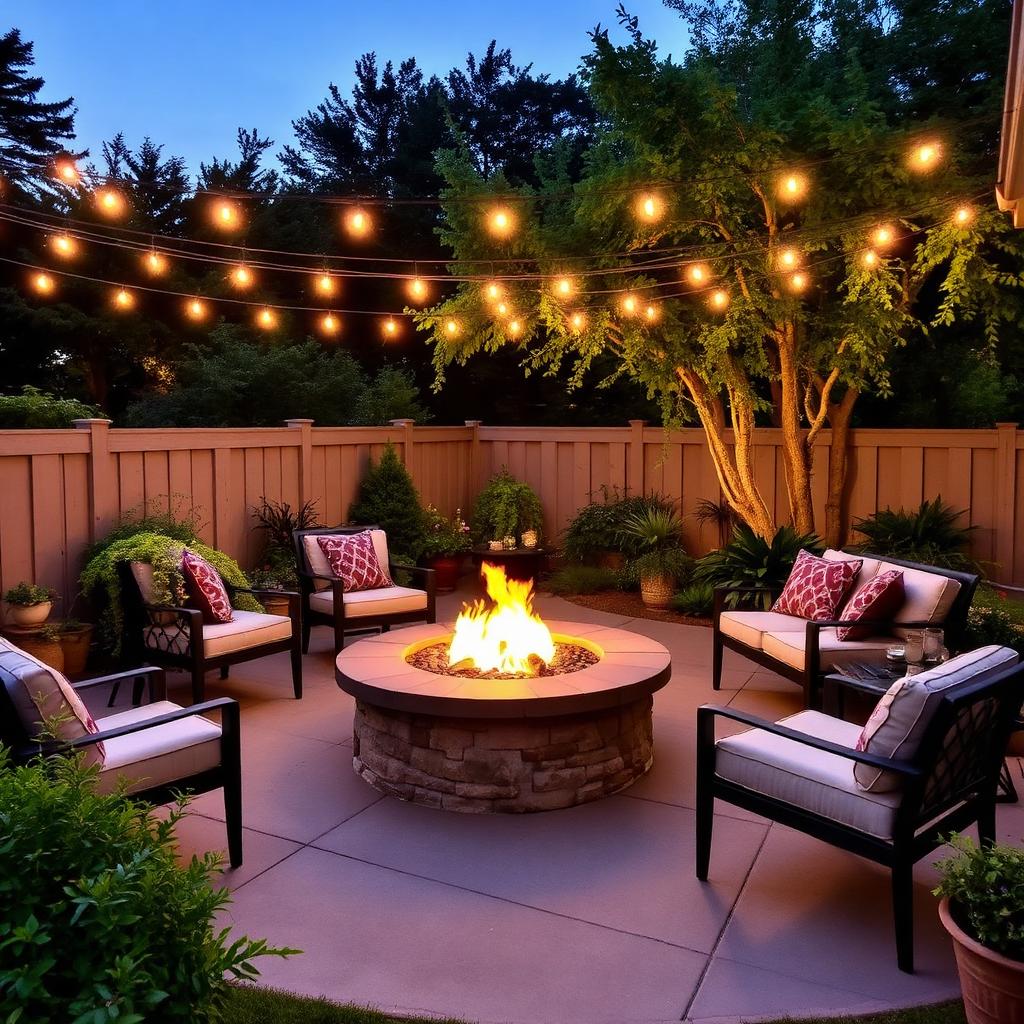
An outdoor living space is not a patio and some chairs. It is a room that happens to have no ceiling, designed with the same care you would give any interior room. Done right, it becomes the most-used square footage on your property.
This guide walks through every layer of a great outdoor living space in the order you should plan them: foundation, flow, furniture, cooking, shade, lighting, warmth, and the small finishing details that turn a yard into a room.
1. Start With How You'll Use It
Before you order pavers, write down the top three things you want to do outside: dinners with friends, morning coffee, weekend grilling, a fire-pit hangout, kids playing. Everything else should serve those three.
A specific brief prevents the number one mistake: a beautiful outdoor space that no one uses because it does not match how the family actually lives.
2. Get the Site and Flow Right
Locate the main gathering area near the kitchen door if you cook indoors, and near a shade tree if you host in summer. Walkways should be at least 36 inches wide and connect kitchen, dining, lounging, and cooking zones with no dead ends.
Check drainage before anything else; patios pitched away from the house at a quarter inch per foot avoid the water problems that plague DIY jobs.
3. Build a Durable Foundation
Concrete pavers, natural stone, stamped concrete, and composite decking all work. Choose based on the style of your house and your budget: modern homes suit large-format porcelain pavers or smooth concrete; traditional homes suit brick or bluestone.
Whichever material you choose, budget for professional prep of the base. A four-inch compacted gravel base with proper edge restraint is the difference between a patio that lasts 25 years and one that heaves in three.
4. Choose Furniture That Lives Outside
Weather-rated aluminum, teak, and HDPE recycled plastic hold up to years of sun and rain. Cushions should be Sunbrella or equivalent solution-dyed fabric, which resists fading and mildew.
Buy a proper dining set (six or eight people minimum) plus a lounge grouping around a coffee table. Skip the cheap set that has to be replaced every three years; one good outdoor sofa outlives three bad ones.
5. Design a Cooking Zone
Even a simple stone slab with a quality grill, a rolling prep cart, and a nearby outdoor sink is enough to turn casual grilling into a real outdoor kitchen experience. Full built-in kitchens are wonderful but not required.
Position the grill downwind of seating and provide 24 inches of clear counter on each side for prep.
6. Add Shade for Real Usability
A patio without shade is a patio you avoid from May through September. Options in ascending cost: a cantilever umbrella, a sail-cloth shade, a pergola with vines, a louvered pergola with adjustable slats, or a full covered structure.
Aim for shade during the hours you most want to use the space; morning coffee needs east shade, dinner needs west shade.
7. Layer Lighting for Evening Use
Overhead ambient (bistro string lights or downlights in a pergola), pathway lights along walkways, and accent uplights on one or two trees is the classic three-layer setup that makes any outdoor space feel like a restaurant patio after dark.
Warm 2700K bulbs, dimmers where possible, and put everything on a timer or smart plug.
8. Add Warmth to Extend the Season
A propane or wood fire pit adds two to three months of usable evenings each year across most of the U.S. A gas heater or radiant infrared heater under a pergola adds even more.
Check local codes for open fire; many suburban neighborhoods restrict wood burning.
9. Wrap the Space in Plants
Large containers of ornamental grasses, boxwoods, or fig trees soften hardscape and give the space a sense of enclosure. Vines on a pergola turn a structure into a living room.
Choose plants rated for a zone colder than yours if they live in containers; container roots freeze more easily than in-ground roots.
10. Finish With the Small Details
An outdoor rug defines a lounge area. Weatherproof throw pillows add color. A small outdoor speaker (or a Bluetooth model tucked in a planter) adds music. A tray with real glassware makes an ordinary Tuesday feel like a vacation.
These small touches make the difference between a patio and a room.
Sources & References
• NAR: Remodeling Impact Report: Outdoor Features
• Energy.gov: Outdoor Lighting for Energy Efficiency
• DarkSky International: Outdoor Lighting Basics
Frequently Asked Questions
How much does an outdoor living space cost?
A basic DIY paver patio with furniture, grill, and string lights runs $2,500 to $6,000. A designer-built outdoor room with kitchen, pergola, and fire feature typically runs $30,000 to $80,000.
What is the best flooring for an outdoor living space?
Concrete pavers offer the best balance of price, durability, and style for most homes. Natural stone is premium; composite decking works well for raised applications.
Do I need a permit to build a patio?
Grade-level patios usually do not require a permit, but pergolas, roofs, and outdoor kitchens with gas or electric often do. Always check with your local building department.
How do I make an outdoor space feel private?
Combine a section of solid fencing with two or three columnar evergreens and a pergola or shade sail overhead. The vertical layers block sight lines from neighboring windows.
Conclusion
Plan the space around how you actually live, invest in good bones (foundation, shade, lighting, real furniture), and finish it like an interior room. A well-designed outdoor living space pays for itself in memories long before it pays for itself in resale value. For specific ideas on how to finish the space, see our guide to decorative garden lights and our 30 backyard design ideas.
About the author
Outdoor Living & Landscaping Contributor
Adilson covers topics related to gardens and outdoor spaces: planting plans, patios and pathways, drainage and slope, and the advantages and disadvantages of lawn alternatives.
More from Adilson VieiraPublished · Updated
Related articles
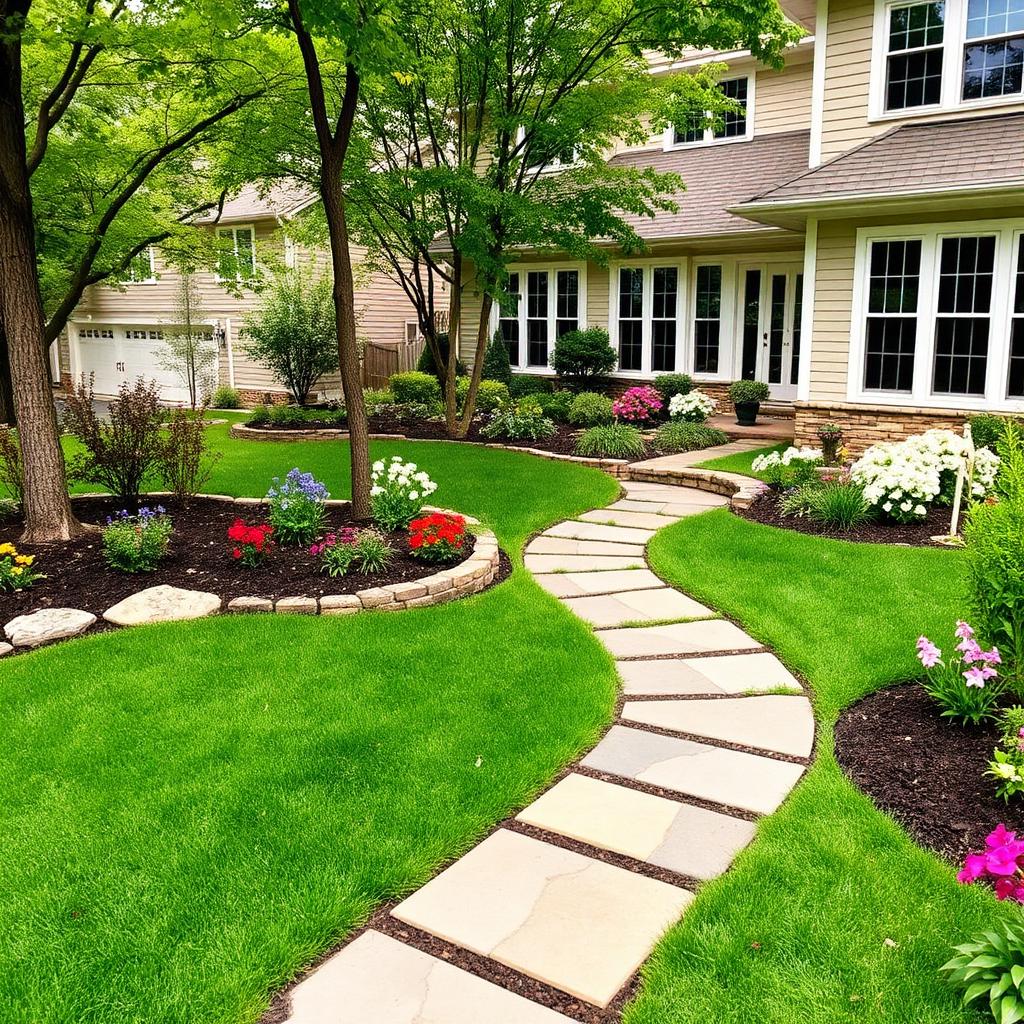
10 Practical Backyard Landscaping Ideas That Can Help Home Value
Ten realistic backyard landscaping projects that can improve curb appeal and how a home presents to buyers, ranked by cost and effort.
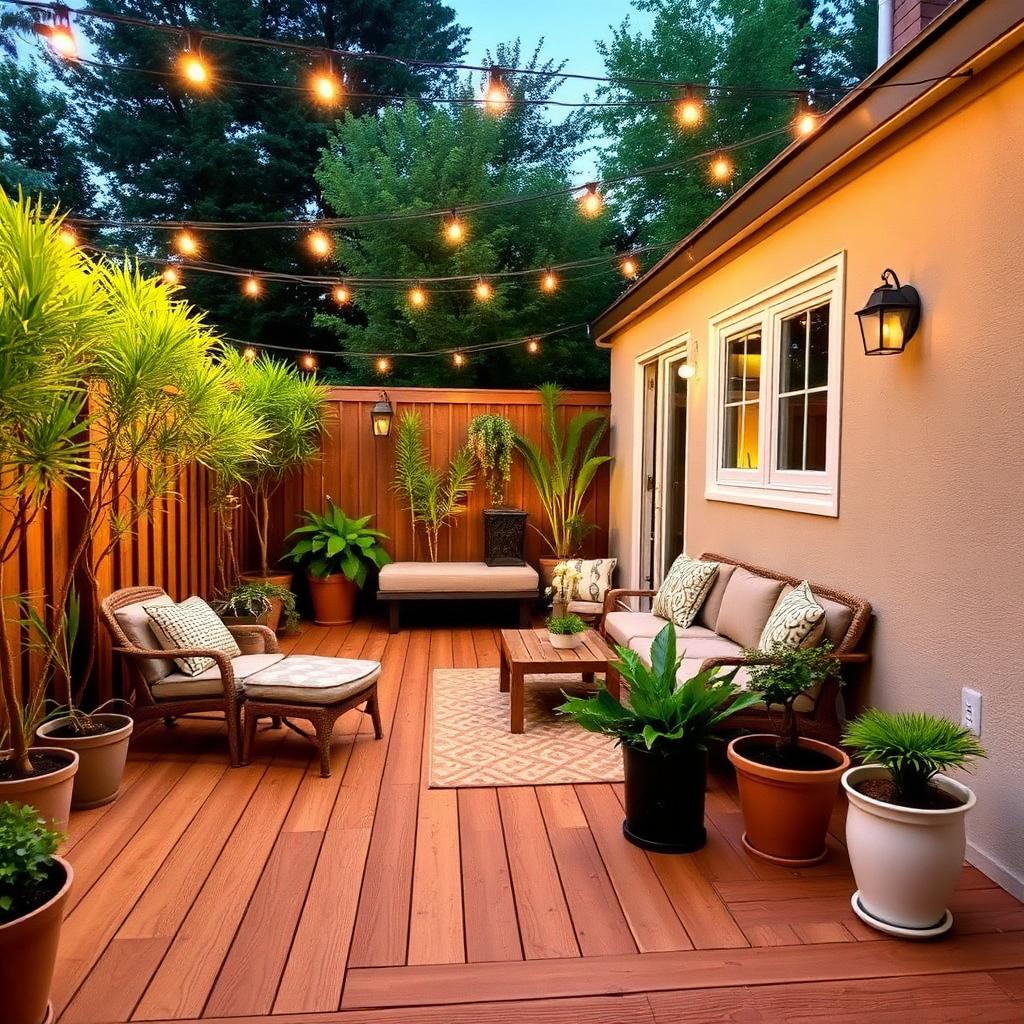
Small Backyard Design Ideas for Modern Homes
How to make a small backyard feel intentional, spacious, and modern with the design moves professional landscapers use most.
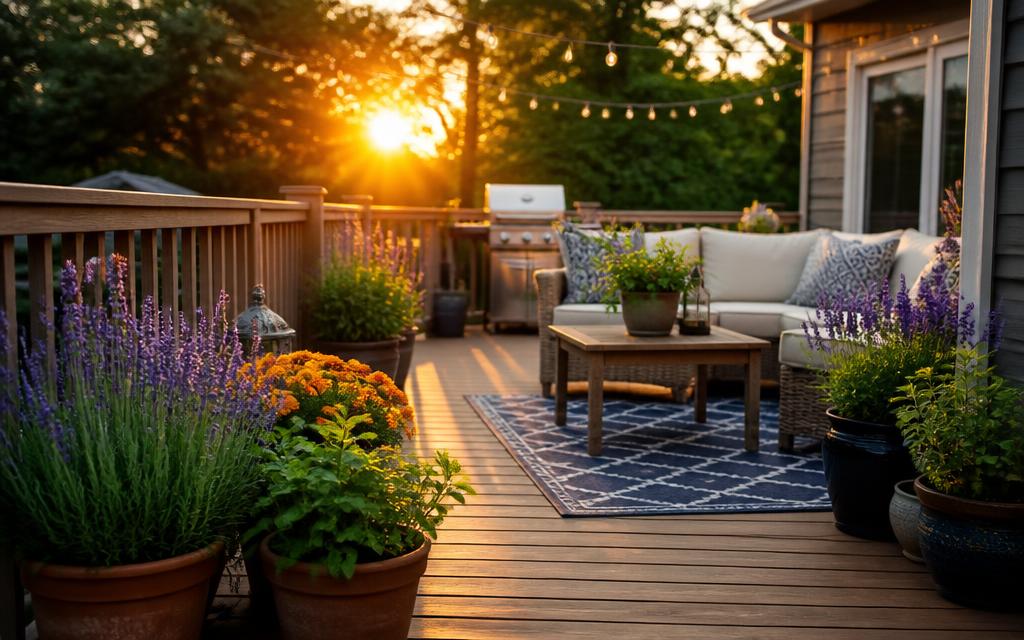
7 Plants That May Help Make Your Backyard Less Attractive to Mosquitoes
Here are seven plants that may help make outdoor areas less attractive to mosquitoes, along with practical placement tips.
Spring Lawn Care Checklist for a Healthy Yard
The eight-step spring lawn care routine for a thicker, healthier lawn by early summer.
Fresh home & garden ideas, every Sunday.
Join American homeowners getting practical home & garden advice on gardening, landscaping, and DIY. Free, no spam, unsubscribe anytime.