7 Plants That May Help Make Your Backyard Less Attractive to Mosquitoes
Here are seven plants that may help make outdoor areas less attractive to mosquitoes, along with practical placement tips.
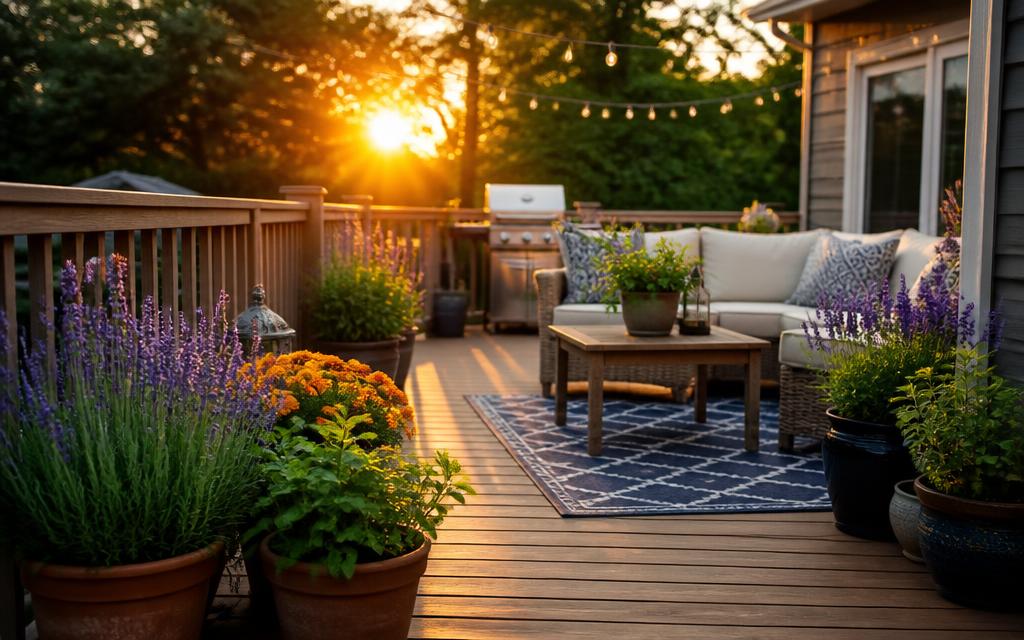
There is a familiar moment in every American summer evening. The grill is finally hot, the chairs are pulled around, the light is perfect — and then the mosquitoes find you. Within ten minutes everyone is inside, the food is on the kitchen counter, and the patio you paid for sits empty until October. Across most of the country, mosquito season now runs from April into November, and in the Gulf South it barely stops at all.
The reflex is a can of spray, a fogger, or a monthly yard treatment. Plenty of homeowners are stepping back from that, especially those with dogs, cats, chickens, or kids who play barefoot in the grass. Broad-spectrum yard fogging does not distinguish between mosquitoes and the bees, butterflies, and fireflies you actually want, and it has to be reapplied after every rain.
Aromatic plants are a low-tech alternative, and they work on a simple principle: mosquitoes hunt by scent, tracking carbon dioxide and skin compounds on the air. Dense plantings of strongly scented foliage muddy that signal in the immediate area around a seating zone. Plants are not a force field — nothing short of screens is — but a well-planned scent barrier of pots and beds around a deck can help reduce activity while looking like landscaping instead of pest control.
1. Lavender (Lavandula angustifolia)
Lavender's defense is chemical. The essential oils concentrated in its flower spikes and leaves — primarily linalool and linalyl acetate — are volatile compounds that flood the air around the plant on warm afternoons. Mosquitoes navigate with extremely sensitive olfactory receptors tuned to the carbon dioxide and lactic acid signature of a mammal, and a heavy linalool cloud effectively jams that reception at close range. Linalool is one of the most studied plant repellents in the literature, which is why it turns up in commercial botanical sprays.
English lavender is the right species for most American yards because it is the hardiest, reliably perennial from USDA zone 5 through zone 9. Give it full sun — a minimum of six and ideally eight hours — and sharply draining soil. Lavender dies from wet feet far more often than from cold, so amend heavy clay with coarse sand or gravel, or grow it in terracotta pots where the walls wick moisture away. Water deeply but infrequently once established, skip the fertilizer entirely, and prune back by about a third after the first bloom to keep the plant from going woody.
For repellent effect, plant it where people sit rather than at the far edge of the yard: flanking deck steps, along the sunny side of a patio, or in a row of pots you brush past on the way to the table. Crushing a flower head between your fingers releases a burst of oil, and rubbing that on your wrists and ankles is a genuinely effective five-second measure.
2. Marigolds (Tagetes): Pyrethrum's Natural Source
Marigolds earn their reputation honestly. The genus Tagetes produces pyrethrum-family compounds and strongly scented thiophenes, and pyrethrins are the same class of botanical insecticide sold in garden centers nationwide. The scent that some people find unpleasant is exactly what makes marigolds a deterrent: mosquitoes, aphids, whiteflies, and tomato hornworm moths all avoid landing near a heavy planting.
The classic use is as a vegetable garden border. A solid ring of French marigolds around raised beds shields tomatoes and peppers from hornworm egg-laying and pulls aphid pressure away from tender growth, while French and Mexican marigold roots release compounds that suppress root-knot nematodes in the soil. Around a patio, mass them in wide, shallow bowls — marigolds are annuals in nearly every US zone, so they are cheap enough to replant each spring in whatever quantity the space needs.
Care is nearly foolproof: full sun, average soil, deadhead spent blooms weekly, and they flower relentlessly from late spring until the first hard frost. Avoid overfeeding, which produces lush foliage and few flowers.
3. Citronella Geranium (Pelargonium citrosum)
This is the plant sold at every big-box garden center in June as the "mosquito plant," and it is worth being precise about how it works. It is a scented geranium, not true citronella grass, and simply owning one does very little. The citronellol and geraniol in its foliage are locked inside leaf cells and only become airborne when those cells rupture — which means crushing or bruising the leaves.
Used correctly, that is an advantage. Place pots directly beside chairs, at the ends of a bench, and where the table meets the railing, so people brush the foliage constantly through an evening. Pinch a few leaves and rub them on exposed skin for a short-lived but real repellent effect. The lemony scent is pleasant, the lacy foliage looks good in a mixed container, and the plant handles the heat of a west-facing deck well.
Treat it as a tender perennial: it thrives in full to part sun, wants soil that dries slightly between waterings, and dies below about 30 degrees Fahrenheit. Overwinter it indoors on a bright windowsill in zones 8 and colder, or replace it each year.
4. Rosemary & Thyme: Dual-Purpose Edibles
Rosemary and creeping thyme are the two plants that give you the strongest return per square foot, because they repel insects and end up in your cooking. Both are woody Mediterranean herbs loaded with camphor, cineole, and thymol — sharp, resinous compounds that mosquitoes, cabbage moths, and carrot flies actively avoid.
Rosemary is the workhorse for a fire pit or grill area. Toss a few cut sprigs directly onto the coals and the smoke becomes a genuine repellent cloud that also happens to smell like dinner. Grow it in large pots near the grill, hardy in the ground from zone 8 south and overwintered indoors farther north. Full sun, gritty soil, and restrained watering.
Creeping thyme handles the ground plane. Plant it between flagstones, along path edges, and in the gaps around a paver patio where every footstep bruises the foliage and releases thymol at ankle height — precisely where mosquitoes and ticks hunt. It is perennial through zone 4, takes light foot traffic, needs almost no water once rooted, and flowers for pollinators in early summer.
- Cut rosemary sprigs onto grill coals or fire pit embers for an instant smoke barrier.
- Plant creeping thyme in paver joints and path edges so it is crushed underfoot.
- Harvest both freely — regular cutting keeps them compact and aromatic.
5. Catnip (Nepeta cataria): Potentially More Effective Than DEET in Concentrated Form
Catnip is one of the strongest performers on this list. Research has shown that nepetalactone, a compound in catnip, can be highly effective at repelling certain mosquito species. Iowa State University: Catnip Repels Mosquitoes
The practical caveat is that a growing plant releases far less nepetalactone than a crushed leaf or a distilled oil, so treat catnip as one strong element of a barrier rather than a solution on its own. Crushing a handful of leaves and rubbing them on skin releases far more of the compound than the standing plant does. Test a small patch first, since mint-family oils irritate some skin.
Catnip is a mint-family perennial, hardy in zones 3 through 9, and it spreads aggressively by seed and root. Keep it in containers or a bed with hard edging unless you want it everywhere. It tolerates poor soil, part shade, and drought, and shearing it back after flowering triggers a flush of fresh, potent foliage. Fair warning: neighborhood cats will find it.
6. Peppermint & Lemon Balm
Peppermint and lemon balm round out the barrier with high menthol and citronellal content respectively. Lemon balm is particularly useful because its citronellal profile closely resembles true citronella while the plant is far hardier — perennial down to zone 4 and content in partial shade, which is exactly where mosquitoes rest during the heat of the day. Peppermint's menthol deters mosquitoes, ants, and spiders, and crushed leaves take the itch out of a bite you did miss.
Both are vigorous mints and both will colonize a bed if you let them. Grow them in pots, or sink bottomless containers into the soil to contain the runners. Give them consistent moisture, cut them back hard whenever they get leggy, and use the trimmings for tea. Because they accept shade, they are the right choice for the north side of a deck, under a pergola, or in the damp corner where nothing else thrives — the same shady, still spots where adult mosquitoes shelter.
Placement Strategy: Where to Put Plants for Maximum Mosquito Defense
Placement matters more than plant selection. A lavender hedge at the back fence does nothing for a deck forty feet away, because scent barriers work over a few feet, not a few yards. Build the planting around the perimeter of the space people occupy, and concentrate the strongest scents where air is still.
Start with the seating zone. Ring the patio or deck edge with a mix of lavender, marigolds, and citronella geranium in pots at chair height and above — raised planters and railing boxes put foliage in the same air layer as your arms and face, which a bed at ground level does not. Then treat the traffic paths: creeping thyme in paver joints and mint pots at the top and bottom of steps get crushed by ordinary movement.
Doorways deserve their own cluster. A pair of large containers flanking the back door or slider intercepts mosquitoes riding the draft indoors every time it opens. Around a fire pit, keep rosemary within arm's reach of the seats so sprigs go onto the coals without anyone getting up. Finally, remember that plants cannot beat breeding habitat: dump standing water in saucers, gutters, tarps, and birdbaths weekly, run a fan on the patio to disrupt flight, and drop mosquito dunks in any water feature you keep.
- Seating perimeter: lavender, marigolds, and citronella geranium in raised pots at chair height and above.
- Paths and steps: creeping thyme in paver joints, mint and catnip pots at step landings.
- Doorways: paired large containers flanking every door people use at night.
- Fire pit and grill: rosemary within arm's reach for tossing onto the coals.
- Shade and damp corners: lemon balm and peppermint, where adult mosquitoes rest by day.
- Non-plant basics: empty standing water weekly, add a patio fan, use mosquito dunks in ponds.
| Plant | Active compound | Best placement | Hardiness |
|---|---|---|---|
| Lavender | Linalool | Sunny patio edge, deck steps | Zones 5–9, perennial |
| Marigolds | Pyrethrins, thiophenes | Veggie bed borders, wide bowls | Annual in most zones |
| Citronella geranium | Citronellol, geraniol | Beside chairs, brush-past spots | Zones 9–11, tender |
| Rosemary | Camphor, cineole | Grill and fire pit, large pots | Zones 8–10 outdoors |
| Creeping thyme | Thymol | Paver joints, path edges | Zones 4–9, perennial |
| Catnip | Nepetalactone | Contained beds and pots | Zones 3–9, spreads |
| Peppermint / lemon balm | Menthol, citronellal | Shady, damp corners in pots | Zones 4–9, spreads |
Sources & References
• Iowa State University Extension: Mosquitoes and Their Control
• Xerces Society: Mosquito Management to Protect Pollinators
• University of Florida IFAS: Mosquito-Repelling Plants
Frequently Asked Questions
Do mosquito-repelling plants help, or is it a myth?
They work at close range and in quantity. The volatile oils in lavender, catnip, marigolds, and mints are documented insect repellents, but a single potted plant across the yard will not protect you. Ring the area where people sit with several plants, crush the foliage, and combine it with removing standing water and running a fan.
Is catnip really more effective than DEET?
Iowa State University research found nepetalactone, catnip's active compound, can be more effective than DEET when compared at equal concentration in certain laboratory settings. That applies to the extracted oil or crushed leaves, not to walking past an intact plant, so crush the leaves for the full effect.
Are these plants safe around dogs and cats?
Catnip, rosemary, thyme, lemon balm, and marigolds are generally considered non-toxic to dogs and cats, which is a major reason homeowners choose them over yard sprays. Lavender and mints can cause mild stomach upset if a pet eats a large amount, so place pots where determined chewers cannot graze, and check with your vet about any specific concerns.
How many plants do I need for a standard patio?
Plan on continuous coverage rather than a count. For a 12 by 16 foot deck, six to ten containers spaced along the perimeter, plus thyme in the path joints, creates a usable barrier. Dense, unbroken plantings outperform the same number of plants scattered around the yard.
When should I plant for this summer's mosquito season?
Set out marigolds and citronella geranium after your last frost date. Plant perennials such as lavender, catnip, and thyme in early spring or fall so roots establish before peak heat. Nursery-grown plants in gallon pots give you an effective barrier the same week you plant them.
Conclusion
A backyard area less attractive to mosquitoes is not one chemical treatment away — it is a layered barrier of strongly scented plants placed exactly where you sit, walk, and enter the house. Lavender and marigolds hold the sunny patio edge, citronella geranium and catnip go where hands and legs brush them, rosemary sits by the fire, thyme fills the paver joints, and lemon balm handles the shade. Add a fan, dump the standing water every week, and the deck stops being a place you retreat from at dusk. Plant it this weekend and you get the rest of the summer back.
About the author
Editorial Contributor
Sarah writes the gardening and houseplant guides here — seasonal tasks, soil and watering, planting ideas, and the ordinary problems that come up between spring and frost.
More from Sarah MitchellPublished · Updated
Related articles
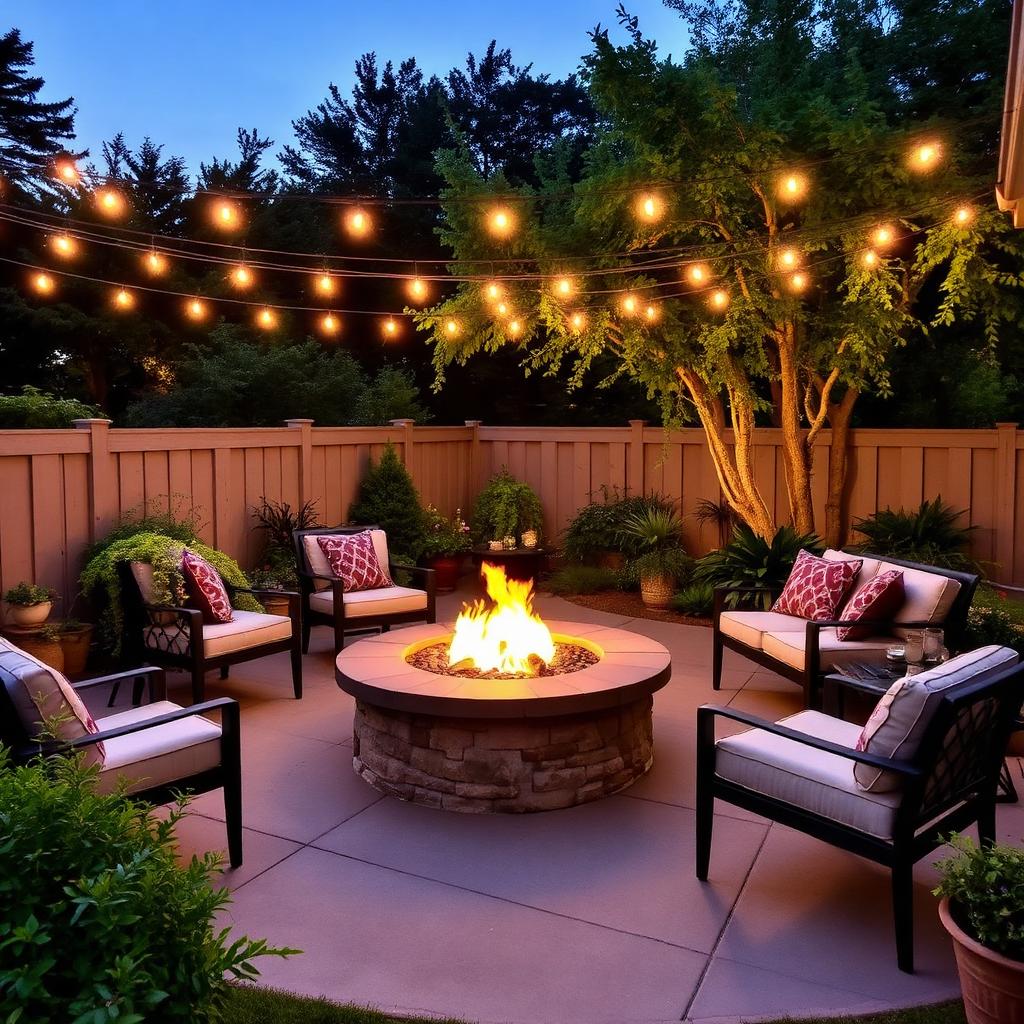
A Homeowner Guide to Creating an Outdoor Living Space
A design-forward, homeowner-friendly playbook for turning a plain yard into an outdoor living space you actually use every week.
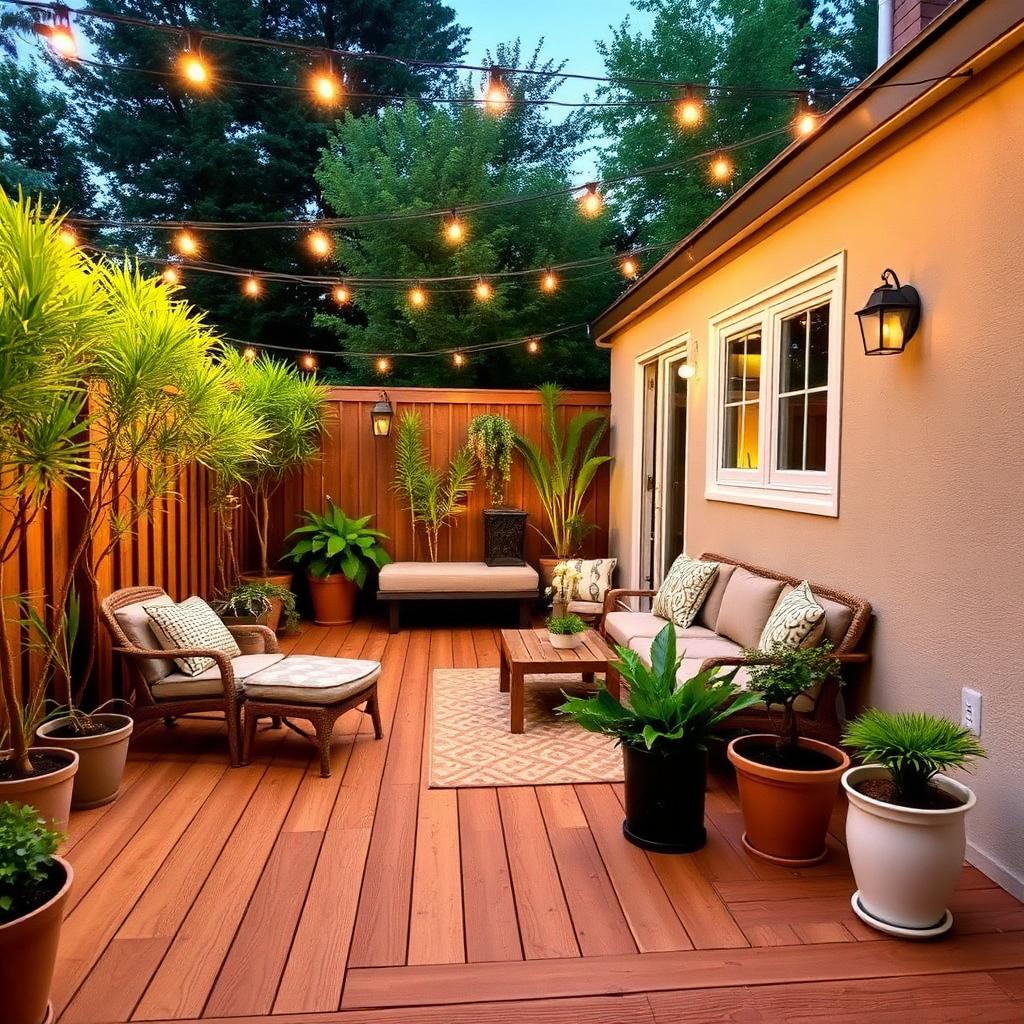
Small Backyard Design Ideas for Modern Homes
How to make a small backyard feel intentional, spacious, and modern with the design moves professional landscapers use most.
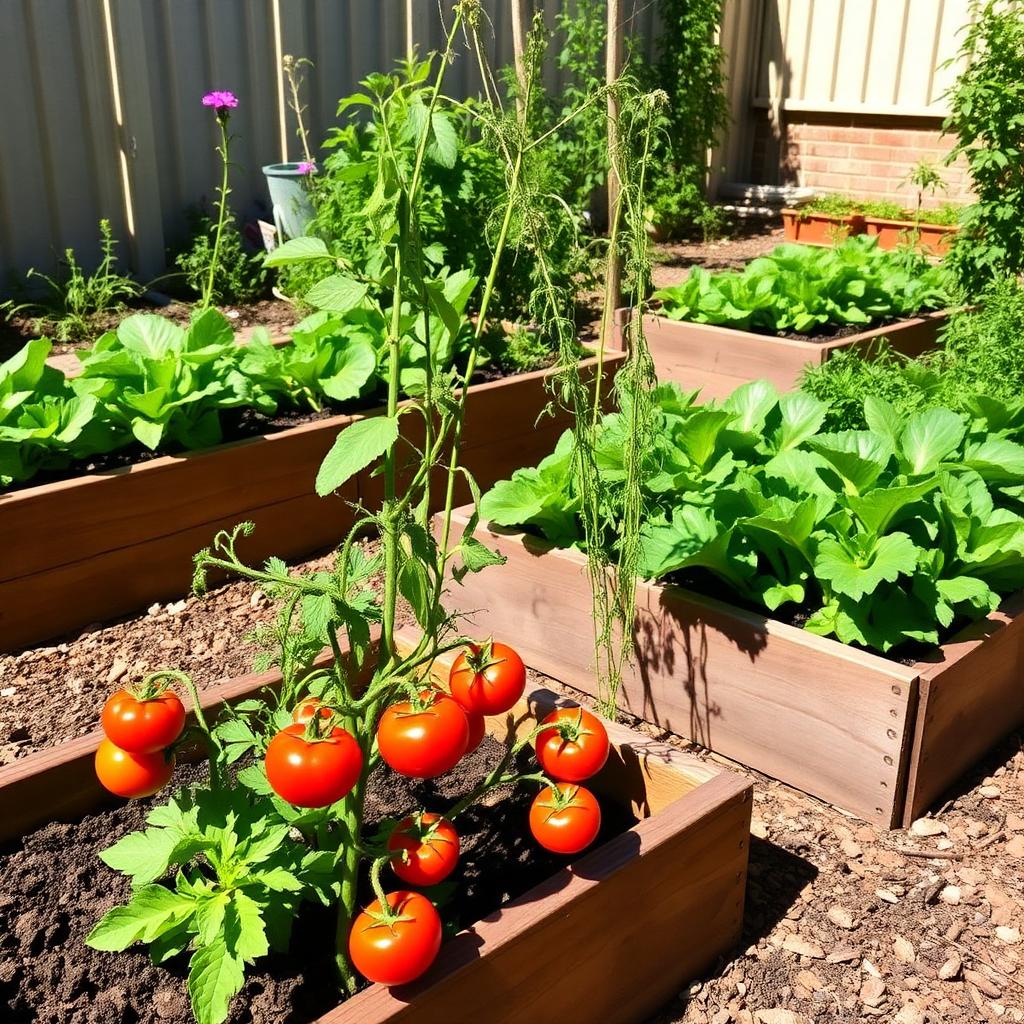
How to Start a Vegetable Garden: A Practical Beginner's Guide
Everything a first-year gardener actually needs to know to grow real food this season, without the overwhelm.
Fresh home & garden ideas, every Sunday.
Join American homeowners getting practical home & garden advice on gardening, landscaping, and DIY. Free, no spam, unsubscribe anytime.