Small Backyard Design Ideas for Modern Homes
How to make a small backyard feel intentional, spacious, and modern with the design moves professional landscapers use most.
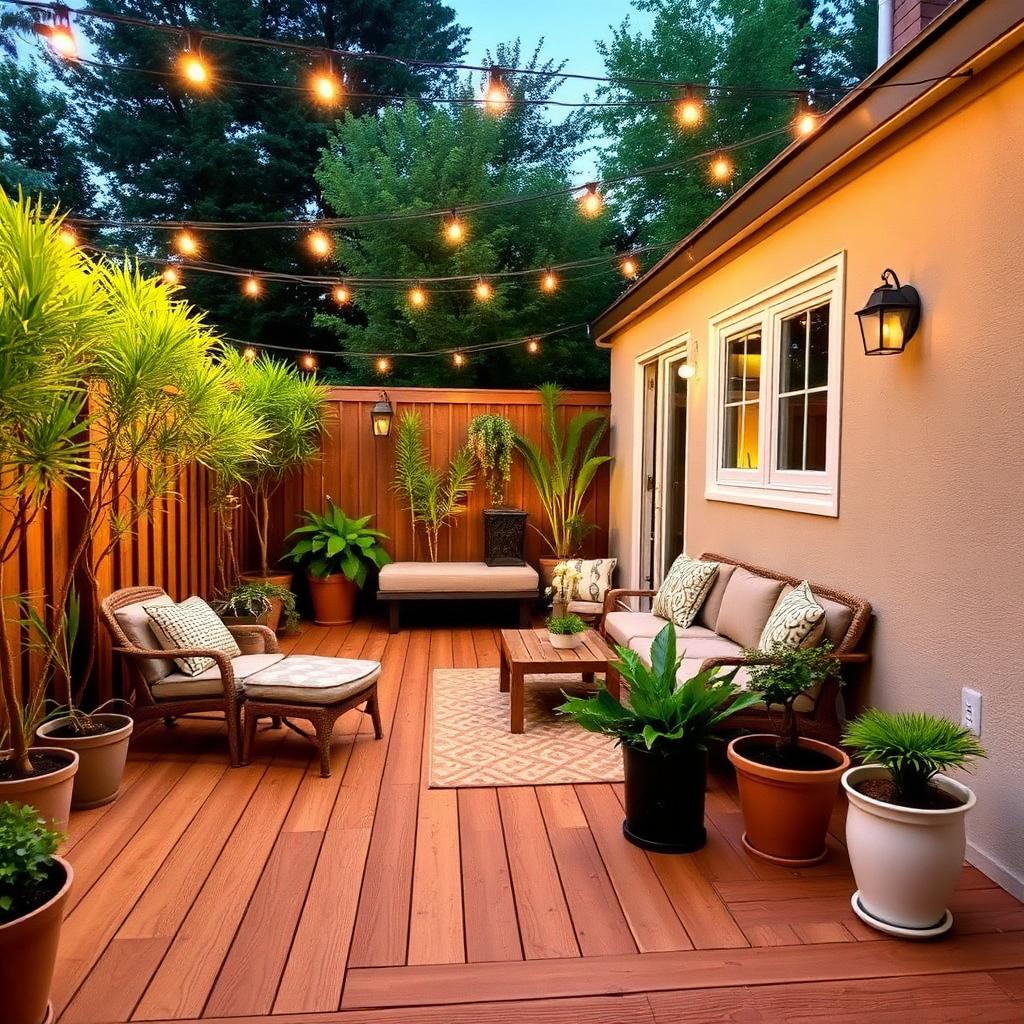
Small backyards are not a limitation; they are a design brief. Tight urban yards can end up feeling more considered than large lots, because every choice has to earn its space.
These are the design moves that consistently transform 200 to 800 square feet of backyard into a modern outdoor room you actually want to use.
1. Define Two or Three Zones, No More
Small yards fail when they try to do everything. Pick two anchor zones (usually dining and lounging) and one accent (fire pit, planter wall, or hammock). Give each a defined footprint and a clear connection between them.
A change in flooring material - deck to gravel, or pavers to lawn - is enough to signal a new zone without walls or fences.
2. Go Vertical for Planting
Ground space is precious. Grow up the walls with climbing hydrangea, star jasmine, or wire trellis panels. Mount planter boxes on fences and hang trailing plants from pergolas.
Vertical planting also raises the visual ceiling of a small yard, making it feel taller and larger.
3. Use Fewer, Larger Pavers
Small mosaic-style paving makes a small yard look busier and smaller. Instead, choose large-format pavers (18 by 36 inches or bigger) laid with narrow grout lines. Fewer lines equals more visual calm.
Repeating one material also unifies zones, which reads as intentional.
5. Layer Three Sources of Light
String lights for ambient warmth, pathway lights for safe navigation, and one accent spotlight aimed at a specimen tree or planter wall. Three simple layers give a small yard the depth of a hotel courtyard after dark.
Use warm 2700K bulbs and put everything on a smart plug or timer.
6. Solve Privacy Before Anything Else
Nothing shrinks a small yard faster than a neighbor's second-story window looking down into it. Combine a section of horizontal cedar fencing or reed screening with a couple of columnar evergreens to break sight lines at the right height.
7. Restrain the Palette
Pick one hardscape material, one wood tone, and one accent metal, then repeat them. Every extra material makes a small space feel chopped up. The most sophisticated small yards look almost monochromatic on purpose.
8. Add Sound, Not Size
A wall-mounted spillway fountain or a small bubbling urn drowns out neighborhood noise and adds a resort-like quality without taking floor space. Choose a self-contained kit rated for outdoor use.
9. Limit Plant Species
Massing three to five species in larger groups reads as designed. A dozen singletons reads as a plant sale. In small yards, less variety with more repetition almost always looks more expensive.
Frequently Asked Questions
How big does a backyard need to be to fit a dining area?
A 6-foot round table with four chairs needs roughly a 10-by-10-foot pad. Rectangular tables can work in as little as 8 by 12 feet.
Are lawns worth it in a small backyard?
A tiny lawn (under 200 sq ft) is often more maintenance than reward. Consider a groundcover, gravel garden, or artificial turf if the space is mainly visual.
What is the most impactful upgrade for a small yard?
Layered lighting. It transforms how the space feels every evening, for a fraction of the cost of hardscaping.
How much does a small backyard makeover cost?
Based on current market estimates, DIY refreshes with paint, lights, planters, and one furniture upgrade run $500 to $2,500. Hardscape-heavy pro renovations of a small yard typically run $10,000 to $30,000.
Conclusion
A small backyard forces good decisions. Define your zones, restrain your palette, and lean on lighting and vertical planting. Done right, a 400-square-foot yard can outshine one ten times its size.
About the author
Outdoor Living & Landscaping Contributor
Adilson covers topics related to gardens and outdoor spaces: planting plans, patios and pathways, drainage and slope, and the advantages and disadvantages of lawn alternatives.
More from Adilson VieiraPublished · Updated
Related articles
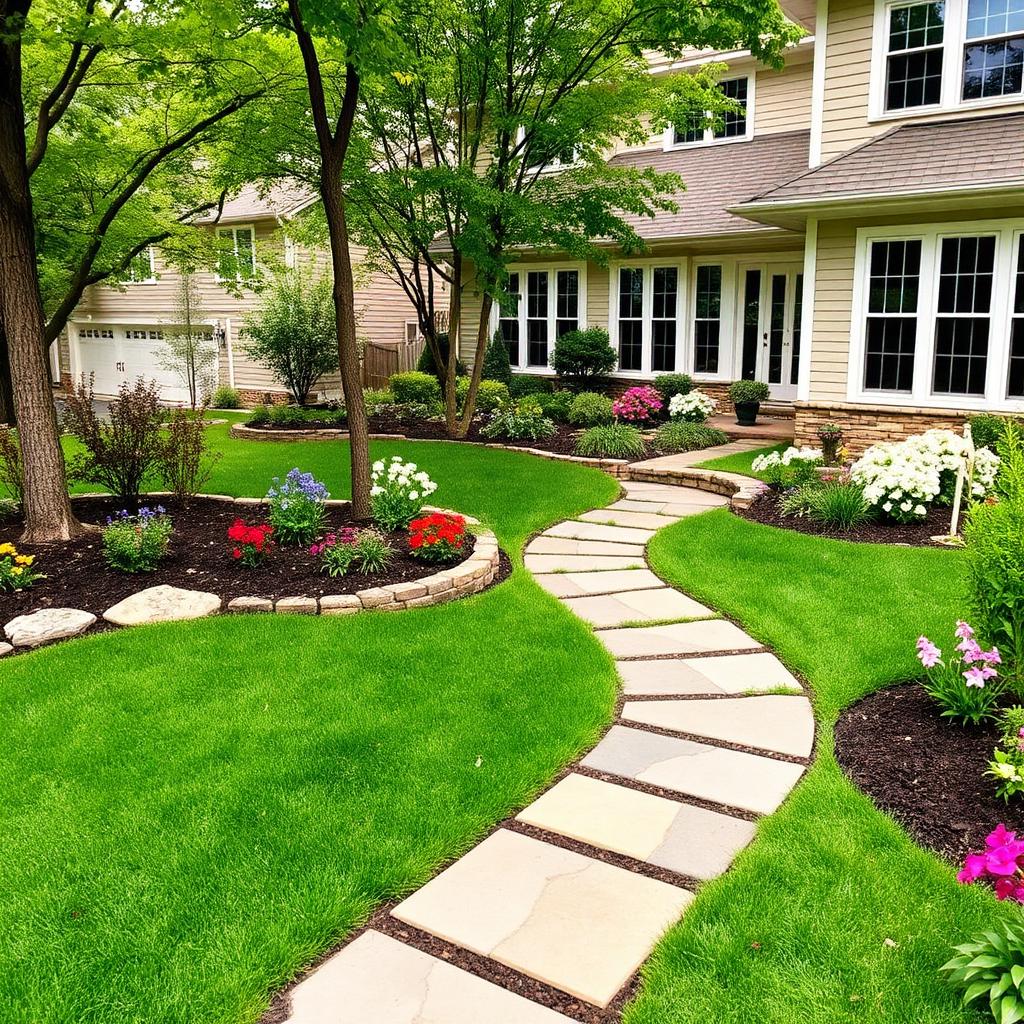
10 Practical Backyard Landscaping Ideas That Can Help Home Value
Ten realistic backyard landscaping projects that can improve curb appeal and how a home presents to buyers, ranked by cost and effort.
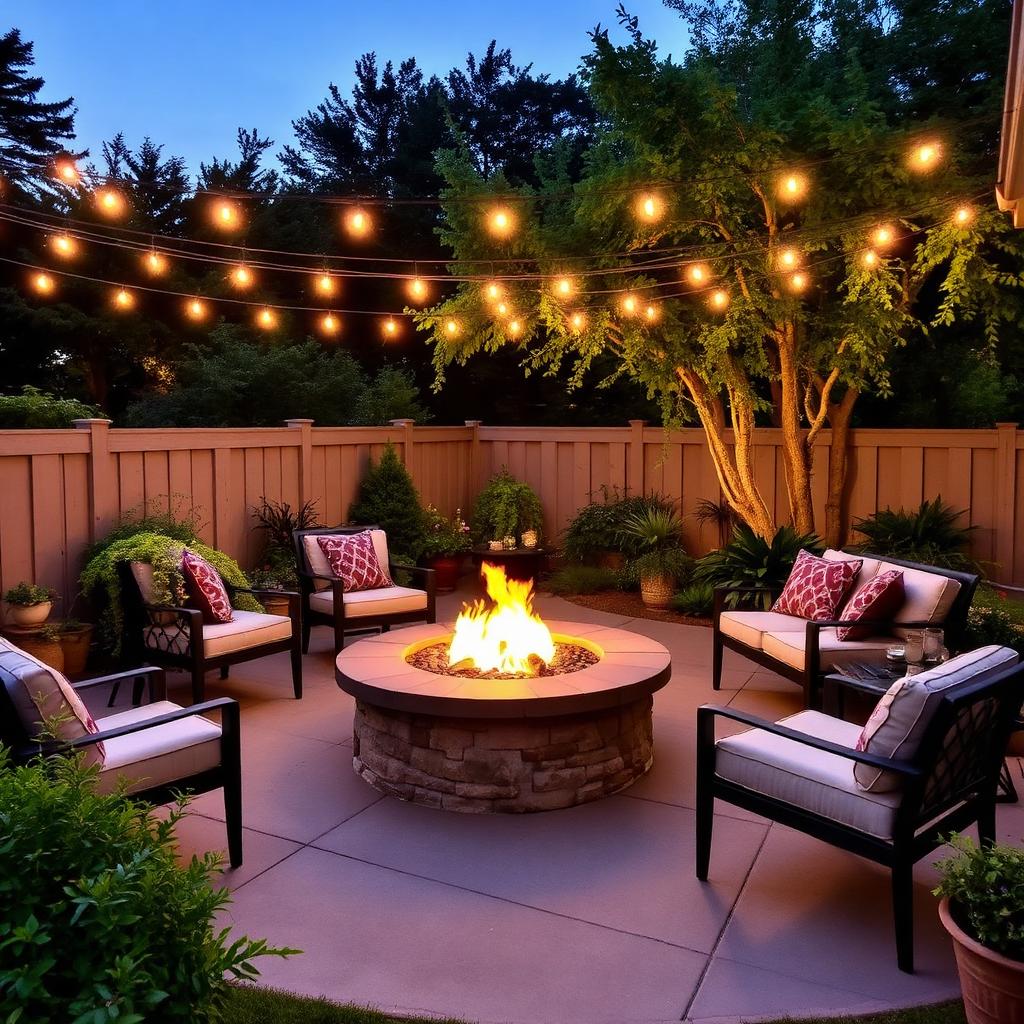
A Homeowner Guide to Creating an Outdoor Living Space
A design-forward, homeowner-friendly playbook for turning a plain yard into an outdoor living space you actually use every week.
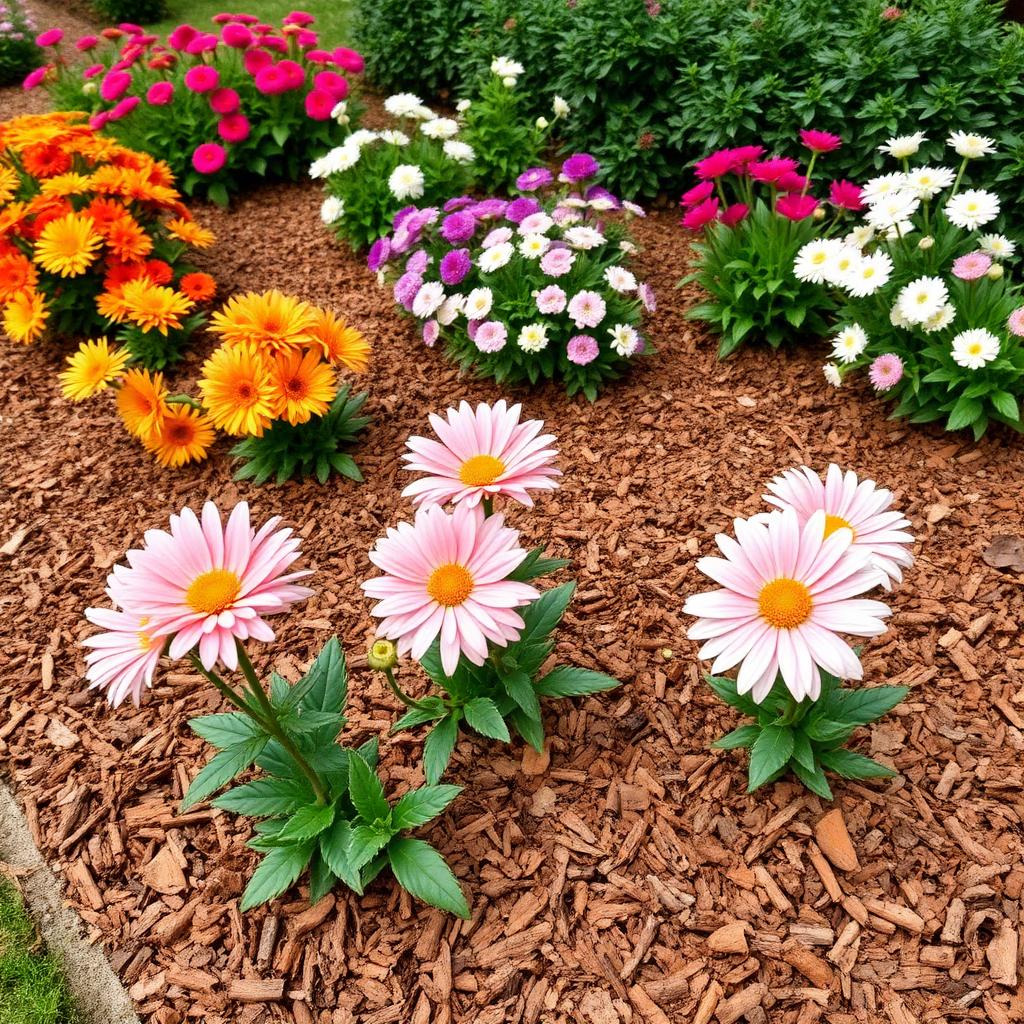
How to Choose Mulch for Flower Beds and Gardens
Which mulch to use where, how much to apply, and the common mistakes that starve or drown plants.
Fresh home & garden ideas, every Sunday.
Join American homeowners getting practical home & garden advice on gardening, landscaping, and DIY. Free, no spam, unsubscribe anytime.