Spring Lawn Care Checklist for a Healthy Yard
The eight-step spring lawn care routine for a thicker, healthier lawn by early summer.
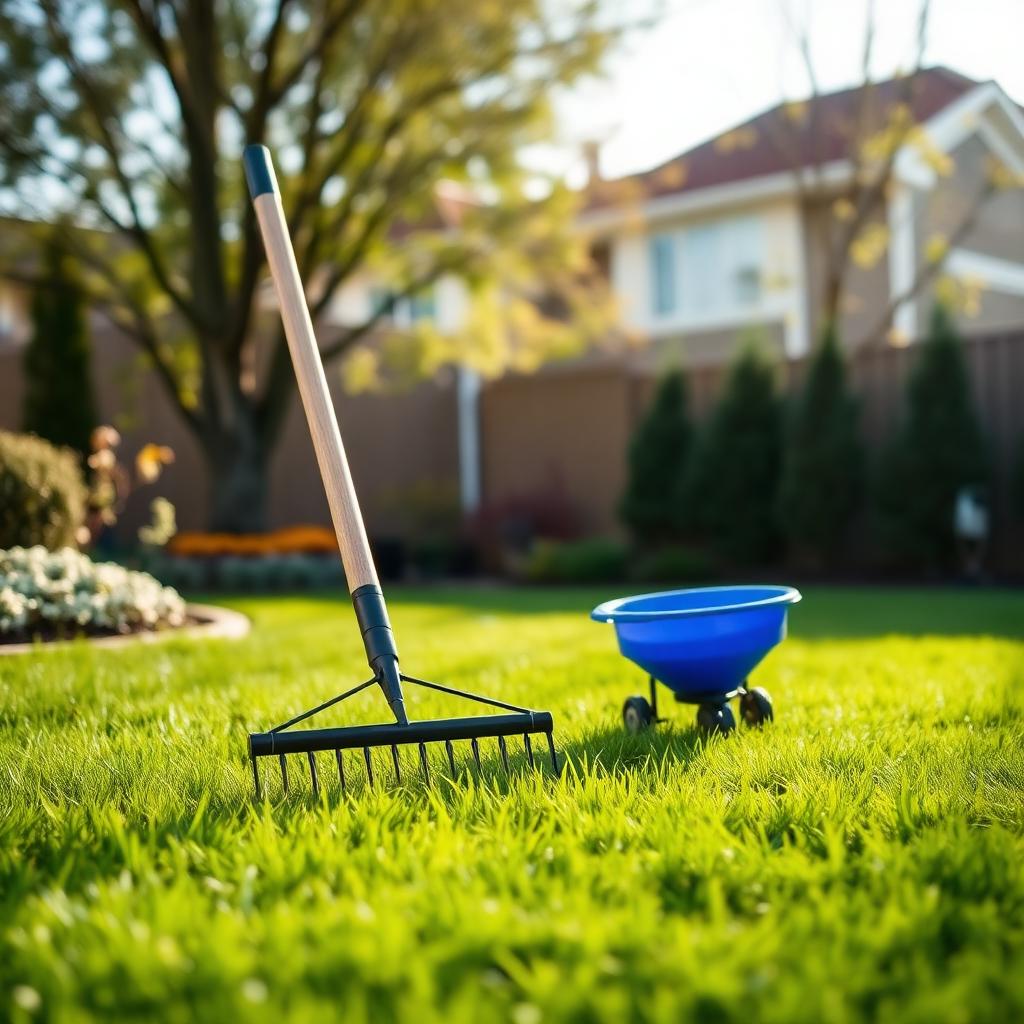
Spring is when lawns are made. What you do in the six weeks after your soil warms up above 55°F sets the tone for the entire growing season. Skip these steps and you will chase weeds and brown patches until fall.
This checklist works for both cool-season lawns (fescue, ryegrass, Kentucky bluegrass) common in the northern two-thirds of the U.S. and, with the timing adjustments noted, warm-season lawns (Bermuda, zoysia, St. Augustine) in the South.
1. Clean Up First
Once the ground has thawed and dried enough that your footprints do not leave dents, rake off the debris that piled up over winter. A light dethatching rake pulls up matted grass and old leaves that would otherwise smother new growth.
Pick up sticks, edge the beds, and inspect for vole tunnels or snow-mold circles that need to be raked open.
2. Test Your Soil (Every 3 Years)
Guessing at fertilizer is expensive. A $15 to $25 soil test from your state extension lab tells you exactly what your lawn is short on and whether you need to adjust pH with lime. Cool-season grasses like a pH between 6.0 and 7.0.
3. Aerate Compacted Lawns
If your soil is heavy clay, gets a lot of foot traffic, or water pools after rain, core aerate in early spring for cool-season lawns and late spring for warm-season lawns. Rent a core aerator for market rates (about $80–$120 a day) and make two passes in different directions. University of Massachusetts Extension: Core Aeration and Dethatching of Lawns
Leave the plugs on the surface; they break down within two weeks and feed the soil.
4. Overseed Thin Areas (Cool-Season Only)
Spring is a compromise seeding window because heat is coming, but small bare patches can be filled with a quality tall fescue or bluegrass blend. Rake the soil open, spread seed at the label rate, cover lightly with peat moss or compost, and keep it moist until germination.
For warm-season lawns, wait until soil consistently reaches 65°F, usually late spring, before overseeding.
5. Apply Pre-Emergent Weed Control
Time crabgrass pre-emergent to when soil temperatures hit a sustained 55°F, which usually coincides with forsythia finishing bloom in your area. A pre-emergent applied then prevents the vast majority of annual weeds.
Do not apply pre-emergent and grass seed together, however, because most pre-emergents also prevent grass seed from germinating.
6. Fertilize Lightly, Not Heavily
A modest spring feeding with a slow-release nitrogen fertilizer around three weeks after green-up gives grass a gentle push without forcing weak, disease-prone growth. Aim for about half a pound of nitrogen per 1,000 square feet in spring.
The bigger feedings for cool-season lawns should happen in fall, when grass builds roots for next year.
7. Mow Tall, Mow Sharp
Set the mower to 3 to 3.5 inches for cool-season grasses and 1.5 to 2.5 inches for warm-season grasses. Never remove more than one-third of the blade at a time. Tall grass shades soil, out-competes weeds, and needs far less water.
Sharpen the blade at the start of the season; a dull blade tears grass tips and turns lawns yellow-brown.
8. Water Deeply, Once or Twice a Week
Most lawns need about one inch of water per week including rainfall. Water in the early morning, deeply, twice a week, rather than every day. Deep watering pushes roots down where they can survive summer heat. UMass Extension: Irrigation Best Management Practices
Place a tuna can in the sprinkler zone; when it fills to one inch, you have watered enough.
Sources & References
• University of Illinois Extension: Spring Lawn Care Checklist and Timing
• UMass Extension: Best Practices for Sustainable Turf Management
• EPA WaterSense: Watering Tips for a Healthy Yard
Frequently Asked Questions
When should I start spring lawn care?
Begin light cleanup as soon as the soil is workable, and start fertilizer/pre-emergent when soil temperatures hit 55°F, typically 3 to 6 weeks after your last frost date.
Should I dethatch in spring?
Only if your thatch layer is more than half an inch thick. Otherwise a vigorous raking is enough and heavy dethatching can stress the lawn.
How much should I mow in spring?
As often as needed to remove no more than one-third of the blade per mow. In peak growth that can mean twice a week.
Is spring or fall better for seeding?
For cool-season lawns, fall is best; spring is a solid second choice for patching. For warm-season lawns, late spring into early summer is ideal.
Conclusion
Work through this checklist in order, resist the urge to overdo fertilizer, and give your grass a season to respond. A patient, well-timed spring routine is the difference between the lawn you have and the lawn you want.
About the author
Outdoor Living & Landscaping Contributor
Adilson covers topics related to gardens and outdoor spaces: planting plans, patios and pathways, drainage and slope, and the advantages and disadvantages of lawn alternatives.
More from Adilson VieiraPublished · Updated
Related articles
How to Overseed Your Lawn in Fall for a Thicker, Greener Yard
Fall is the best time to overseed a cool-season lawn. Follow this sequence and thin spots fill in, weeds get crowded out, and next spring's yard looks brand new.

10 Practical Backyard Landscaping Ideas That Can Help Home Value
Ten realistic backyard landscaping projects that can improve curb appeal and how a home presents to buyers, ranked by cost and effort.

10 Common Gardening Mistakes and How to Avoid Them
Common gardening mistakes that can cause problems each season, and the simple fix for each.

How to Choose Mulch for Flower Beds and Gardens
Which mulch to use where, how much to apply, and the common mistakes that starve or drown plants.
Fresh home & garden ideas, every Sunday.
Join American homeowners getting practical home & garden advice on gardening, landscaping, and DIY. Free, no spam, unsubscribe anytime.