Monstera Deliciosa: Secrets and Care Tips for a Thriving Plant
Master the art of growing the iconic Swiss Cheese Plant with our expert care guide, from perfect lighting to successful propagation.
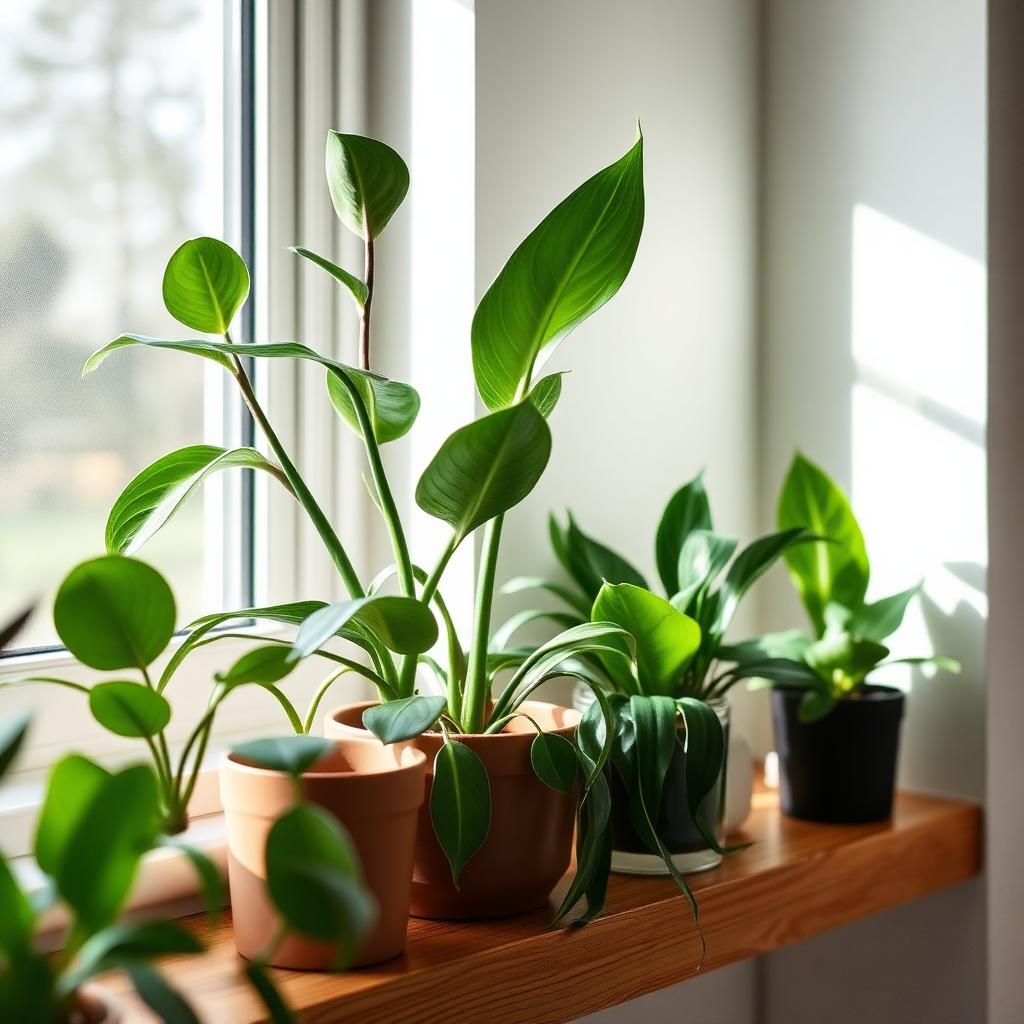
Monstera deliciosa, often called the Swiss Cheese Plant, has become the undisputed icon of modern indoor gardening. Its massive, heart-shaped leaves and dramatic natural holes (fenestrations) bring an instant tropical architectural feel to any room. But while it is famously resilient, there is a significant difference between a Monstera that is simply surviving and one that is truly thriving.
In this guide, we dive deep into the specific environmental cues and care routines that trigger large, fenestrated growth. Whether you are a first-time owner or looking to support a mature giant, these secrets will help you master the care of one of nature's most impressive houseplants.
What Is Monstera Deliciosa?
Native to the tropical rainforests of southern Mexico and Panama, Monstera deliciosa is a species of flowering plant in the Arum family, Araceae. In its natural habitat, it is a hemiepiphyte—a plant that starts life on the forest floor but eventually climbs high into the canopy using powerful aerial roots to anchor itself to host trees.
The name 'deliciosa' refers to the plant's edible fruit, which tastes like a combination of pineapple and banana, though it rarely fruits indoors. The 'Monstera' part of the name speaks to its monstrous size, with leaves that can reach over three feet wide in the wild.
Light Requirements
Light is the most critical factor for producing the large, fenestrated leaves that Monstera is famous for. In the wild, they grow under the filtered canopy, meaning they crave bright, indirect light. In the United States, an east-facing window with soft morning sun is ideal. A south or west window also works perfectly, provided the plant is set back a few feet or protected by a sheer curtain.
If your Monstera is growing small, solid leaves without holes, it is almost certainly a light deficit. While they can 'survive' in lower light, they will become leggy, stretching toward the nearest light source, and stop producing their iconic splits. Avoid direct afternoon sun, which can scorch the foliage and leave permanent brown marks.
Watering Schedule & Common Mistakes
Monsteras prefer to dry out significantly between waterings. The most common mistake is keeping the soil constantly moist, which leads to root rot—the number one killer of indoor plants. As discussed in our guide to watering indoor plants, you should always use the 'finger test.'
Wait until the top two to three inches of soil are completely dry before watering again. When you do water, do so thoroughly until it runs out of the drainage holes. During the active growing season (spring and summer), you might water every 7-10 days. In winter, when growth slows, this might stretch to every 2-3 weeks.
Best Soil Mix and Potting Tips
Because they are climbers that naturally grow in pockets of leaf litter and bark on trees, Monsteras need a highly aerated, 'chunky' soil mix. Standard potting soil is often too dense and holds too much water. A dedicated aroid mix is best, or you can create your own by mixing 50% high-quality potting soil, 25% orchid bark, and 25% perlite.
When repotting, only go up one pot size (about 2 inches in diameter). A pot that is too large holds excess moisture that the roots cannot absorb, increasing the risk of rot. Always ensure the pot has ample drainage holes at the bottom.
Humidity and Temperature Needs
Coming from the tropics, these plants love humidity. While they tolerate standard U.S. home humidity (typically 30-40%), they truly thrive and produce larger leaves when levels are above 60%. You can increase humidity by grouping plants together, using a humidifier, or placing the pot on a pebble tray.
Temperature-wise, keep them between 65°F and 85°F. They are not frost-tolerant and will stop growing if temperatures drop below 55°F. Keep them away from cold drafts or direct heat vents, which can cause sudden leaf drop or browning edges.
Fertilizing Tips
During the growing season, a Monstera is a heavy feeder. Use a balanced, water-soluble liquid fertilizer (20-20-20) diluted to half-strength once a month. This provides the nitrogen needed for those massive green leaves.
Do not fertilize in the winter months when the plant is dormant. Over-fertilizing can lead to salt buildup in the soil, which burns the sensitive root tips. If you see yellowing leaf edges despite proper watering, try flushing the soil with plain water to clear excess salts.
How to Support Aerial Roots & Climbing
As your Monstera grows, it will begin to produce long, brown, rope-like structures called aerial roots. In the wild, these serve two purposes: anchoring the plant to trees and absorbing moisture from the air. You can gently tuck these back into the soil to provide extra stability and nutrients to the plant, or simply let them hang for a wilder look.
To encourage larger leaves, you must provide a vertical support. A moss pole or a sturdy cedar plank mimics the tree trunks they climb in the wild. As the plant attaches itself to the support, it 'feels' more secure and begins to produce larger, more mature foliage.
Propagation: Step-by-Step
Monstera deliciosa is incredibly easy to propagate through stem cuttings. The key is to ensure your cutting includes at least one 'node'—the thickened knuckle on the stem where leaves and roots emerge. Without a node, a leaf cutting may stay green in water for months, but it will never grow into a new plant.
- Identify a healthy stem with a node and at least one leaf.
- Using a sterilized blade, cut about an inch below the node.
- Place the cutting in a jar of clean, room-temperature water, ensuring the node is submerged but the leaf is not.
- Change the water weekly to prevent bacteria buildup.
- Once roots are 2-3 inches long (usually in 4-6 weeks), transplant into a small pot with aroid soil mix.
Common Problems and Solutions
Yellow leaves are usually a sign of overwatering, while brown, crispy edges typically point to low humidity or underwatering. If you notice 'weeping' or water droplets on the leaf tips in the morning, this is called guttation—it's the plant's way of sweating out excess water and is usually harmless, though it can be a sign you are watering slightly too often.
Watch for pests like thrips or spider mites, which can hide in the deep crevices of the leaves. Wiping the leaves down with a damp cloth and a bit of neem oil once a month serves as both a preventative measure and a way to keep the leaves shiny and dust-free.
Pro Secrets for Healthier Growth
The 'Shake' Trick: In the wild, wind strengthens a plant's stem. Gently shaking your Monstera for 30 seconds a few times a week simulates this wind and encourages a thicker, sturdier main stalk.
Clean Leaves = Better Growth: Dust buildup on those massive leaves blocks sunlight and clogs the plant's pores (stomata). Wipe your leaves every few weeks to ensure maximum photosynthesis. This is a practice we also recommend in our guide to indoor plant maintenance.
Frequently Asked Questions
Why does my Monstera have no holes in its leaves?
This is usually due to age or light. Young plants (juvenile stage) produce solid leaves. If the plant is mature and still producing solid leaves, it needs brighter indirect light to trigger fenestration.
Are Monstera plants toxic to pets?
Yes, Monsteras contain calcium oxalate crystals which are toxic to cats and dogs if ingested. They can cause oral irritation, swelling, and vomiting. Keep them out of reach of curious pets.
How fast do Monstera plants grow?
In ideal conditions, a Monstera can grow 1-2 feet per year and produce a new leaf every 4-6 weeks during the summer.
Can I grow a Monstera from a single leaf?
Only if the leaf is attached to a piece of the stem that includes a node. A leaf with just a petiole (the leaf stem) will not grow roots or new stems.
Should I cut off the brown aerial roots?
You can, but it's better to leave them or tuck them into the soil. They are vital for the plant's stability and nutrient uptake as it matures.
Conclusion
Mastering the Monstera Deliciosa is a journey of patience and observation. By providing chunky soil, avoiding the temptation to overwater, and giving it the bright light it craves, you will be rewarded with a living sculpture that grows more impressive every year. For more specific advice on other tropical favorites, check out our ultimate guide to orchids or explore the rest of our Indoor Plants collection.
About the author
Lead Editor
Sarah is a gardening enthusiast with 15 years of hands-on experience growing food and flowers across USDA zones 3 through 9. She has contributed to various gardening publications and leads the editorial team at Home & Garden Hub USA.
More from Sarah MitchellPublished · Updated
Related articles
How Often Should You Water Indoor Plants?
Forget the calendar. Learn the finger test, the pot-weight trick, and the light-based watering rhythm that keeps houseplants alive for years.
The Ultimate Guide to Orchids: Growing Secrets, Care, Genera, and Hybrids
Everything you need to grow and rebloom stunning orchids at home: watering, light, media, fertilizing, the top five genera, hybrids, and fixes for every common problem.
Apartment Herb Garden: How to Grow Fresh Herbs in Small Spaces
A practical guide to starting an apartment herb garden: assessing light, choosing the right herbs, layering drainage, watering, and fertilizing without fuss.
Fresh home & garden ideas, every Sunday.
Join American homeowners getting practical, research-informed advice on gardening, landscaping, and DIY. Free, no spam, unsubscribe anytime.