7 HOA-Approved Front Yard Upgrades That Cut Your Summer Water Bill in Half
You can cut a summer irrigation bill roughly in half without a single violation letter. Here are the seven upgrades that satisfy architectural review committees, what each one costs, and how much water it actually saves.
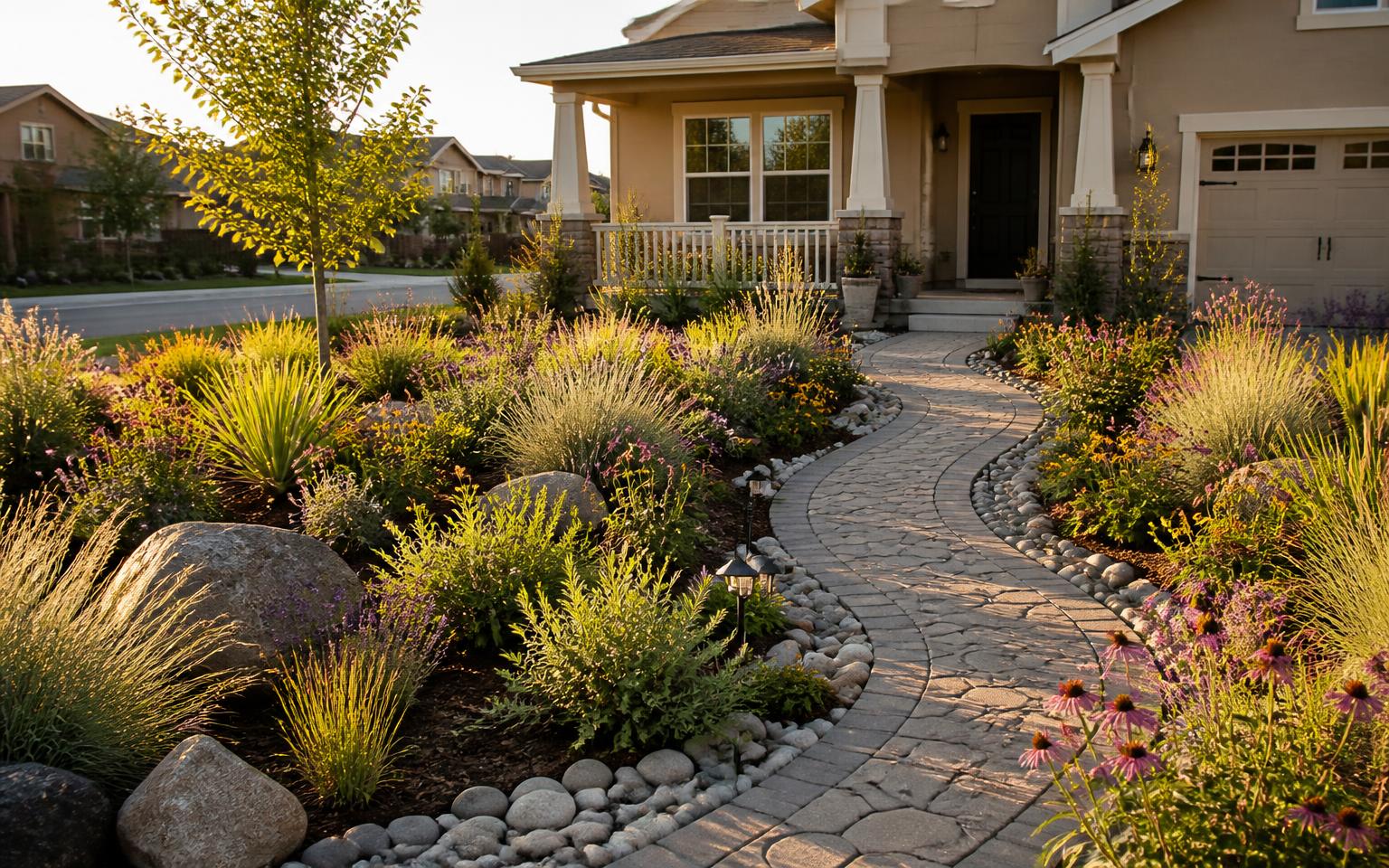
By the second week of July, the math stops being abstract. The water bill lands, it is double what it was in April, and the sprinklers are still running five days a week just to keep a front lawn from going tan at the edges.
The obvious fix — replace some of that grass — runs straight into the second problem. Somewhere in a drawer is a set of HOA covenants with language about "turf coverage," "uniform appearance," and "prior written approval," and nobody wants to spend $4,000 on a front yard only to receive a violation notice and an order to rip it out.
That fear is mostly outdated, and it is costing homeowners real money. Over the last decade a wave of state laws has stripped HOAs of the power to require thirsty turf, and the design vocabulary of low-water landscaping has moved far past the gravel-and-cactus look that gave xeriscaping a bad name in the 1990s.
What follows is the practical version: seven upgrades that read as an obvious improvement to any architectural review committee, with estimated costs in US dollars, realistic water savings, and the specific detail that gets each one approved. Done together, they routinely cut summer irrigation demand 40 to 60 percent while raising curb appeal rather than trading it away.
Why Traditional Lawns Are Draining Your Wallet (and How HOAs Are Changing)
A cool-season lawn wants roughly one to one and a half inches of water per week in summer heat. On a modest 2,500-square-foot front yard, that is about 1,500 to 2,300 gallons every week, or somewhere near 30,000 gallons across a June-through-September season.
Priced at typical tiered municipal rates, that single stretch of grass costs most households $180 to $500 a summer, and considerably more in Phoenix, Las Vegas, Austin, and inland California where tier three rates bite hard. Outdoor irrigation is where roughly half of residential water goes nationally, and the EPA estimates that as much as half of that is lost to evaporation, wind, and runoff from poorly tuned systems.
The legal picture has shifted just as fast. California's Civil Code voids HOA rules that prohibit low-water plants or that penalize brown lawns during a declared drought. Nevada, Arizona, Colorado, Texas, Maryland, and Florida have all passed some version of the same protection — Florida statute explicitly bars covenants that prohibit Florida-friendly landscaping, and Texas Property Code protects drought-resistant landscaping and rainwater harvesting.
Here is the part homeowners miss. Almost none of those laws remove the HOA's right to review your design. They remove its right to reject a design *because* it uses less water. Your association can still require an application, still enforce setbacks, and still refuse a plan that looks unfinished or neglected.
So the winning strategy is never confrontation. It is submitting a plan so clearly intentional — defined borders, layered plant heights, real materials, seasonal color — that rejecting it would look arbitrary, while quietly standing on a state statute you never have to cite.
- Typical summer irrigation for 2,500 sq ft of turf: 25,000-30,000 gallons
- Typical seasonal cost: $180-$500, higher on tiered desert rates
- Up to 50% of applied irrigation water is lost to evaporation and runoff
- States protecting low-water landscaping include CA, NV, AZ, CO, TX, FL, and MD
7 Water-Saving Upgrades That Boost Curb Appeal & Satisfy Your HOA
Work through these in order. The first two deliver the largest savings per dollar, and the later items are what convince a review committee that the whole yard was designed rather than simply reduced.
1. Smart Drip Irrigation & Weather-Based Controllers
Estimated cost: $180 to $350 for a WaterSense-labeled controller, $400 to $900 to convert spray heads over beds to inline drip. Water savings: 20 to 40 percent with no visible change to the yard at all.
A weather-based controller pulls local evapotranspiration data and skips or shortens cycles when it has rained or when humidity is high. Most homeowners are running a schedule set in May and never adjusted, which means watering through thunderstorms all July.
Drip tubing under mulch delivers water at the root zone instead of throwing it into the air above hot pavement. Pair it with pressure-regulated rotary nozzles on any remaining turf zones so output matches how fast your soil can actually absorb it.
Golden approval tip: this upgrade is entirely invisible from the street, so most associations classify it as maintenance rather than an architectural change. Do it first, log the savings on your next two bills, and attach that comparison to the application for everything else. Committees respond to evidence.
2. Native Perennial Flower Beds & Mulch Layering
Estimated cost: $2.50 to $6 per square foot doing the planting yourself, including soil prep and mulch. Water savings: 60 to 80 percent versus the turf it replaces, once established.
Convert the hardest-to-water strips first — the hot southwest corner, the sliver along the driveway, the narrow band against the foundation. Those areas need the most water and grow the worst grass, so you trade your biggest liability for your best-looking bed.
Choose regional natives with structure and long bloom: purple coneflower, black-eyed Susan, and little bluestem across much of the country; salvia, penstemon, and blanket flower in the Southwest; muhly grass and coreopsis in Florida. Plant in odd-numbered groups of three or five so the bed reads as designed instead of collected.
Then mulch three inches deep with shredded hardwood, keeping it pulled back from plant crowns. Mulch is doing the real work here, cutting surface evaporation dramatically and holding soil temperature down through August.
Golden approval tip: never submit a plan that removes turf without replacing its visual mass. Draw the bed with a crisp curved or straight edge, name every plant with its mature height, and show 70 percent coverage at maturity. "Bare mulch and three shrubs" is what gets denied.
3. Permeable Stone Walkways and Decorative River Rock Borders
Estimated cost: $10 to $22 per square foot for permeable pavers or flagstone set in sand, $1.50 to $3 per square foot for river rock borders. Water savings: eliminates irrigation entirely on the converted footprint.
Permeable hardscape solves a drainage problem while it saves water. Instead of shedding a downpour to the street, an open-jointed paver path lets it soak into the ground below, recharging soil moisture around adjacent beds.
Use river rock as a transition band, not a field. A 12- to 18-inch cobble border between a bed and the driveway looks deliberate and keeps mulch from washing onto concrete; an entire yard of rock reflects heat and is the single fastest way to trigger a rejection.
Golden approval tip: bring a physical sample of the paver and the stone to the meeting, and point out that the material color matches the home's existing masonry or trim. Committees approve what looks like it belongs to the house.
4. Warm-Season Turf Alternatives (Bermuda, Zoysia, and Clover)
Estimated cost: $0.60 to $1.20 per square foot to sod zoysia or bermuda, $30 to $60 to overseed an existing lawn with microclover. Water savings: 30 to 50 percent versus tall fescue or Kentucky bluegrass.
Most homeowners do not need to remove all their grass — they need to stop growing the wrong species. Bermuda and zoysia are warm-season grasses that thrive at the temperatures that force cool-season lawns into stress watering, and both hold a deep green on markedly less irrigation.
Zoysia is the better choice where the association values a manicured look, since it forms a dense, fine-bladed carpet that resists weeds. Microclover mixed into an existing lawn fixes its own nitrogen, stays green through short dry spells, and reads as lawn from the sidewalk.
Golden approval tip: covenants usually specify "turf" or "living groundcover," not a species. Keep a defined lawn panel of any size and you have satisfied the letter of the rule — quote that exact wording in your application.
5. Rain Gardens & Swales for Natural Drainage
Estimated cost: $400 to $1,800 for a residential rain garden, often partly offset by a utility rebate. Water savings: captures 30 to 50 percent of roof runoff for planted areas instead of the storm drain.
A rain garden is a shallow, planted depression positioned where your downspouts already discharge. It holds a few inches of water for a day or two after a storm, and the plants in it draw on that reservoir for weeks afterward.
Site it at least ten feet from the foundation, size it at roughly 20 to 30 percent of the roof area draining into it, and plant the base with species that tolerate both wet and dry cycles — switchgrass, Joe-Pye weed, blue flag iris, inkberry holly.
Golden approval tip: frame this as a drainage improvement, not a landscaping change. If your street has a soggy strip or a chronically flooded corner, many boards will approve it enthusiastically because it reduces a shared complaint.
6. Micro-Zoning with Drought-Tolerant Shrubs
Estimated cost: $25 to $70 per shrub in 3- to 5-gallon size. Water savings: 50 to 70 percent versus turf, and roughly a third of your annual yard labor.
Micro-zoning means grouping plants by how much water they actually want, so one irrigation zone is not overwatering half of it to keep the other half alive. High-water plants go in one small bed near the entry where you see them daily; everything farther out gets a low-water zone on its own valve.
The shrubs doing the heavy lifting should hold their shape without quarterly shearing: dwarf yaupon holly, compact nandina alternatives such as dwarf abelia, Texas sage, dwarf myrtle, or manzanita and ceanothus on the West Coast. Slow, naturally rounded growth habits mean fewer hedge-trimmer weekends and no scalped look in August.
Golden approval tip: specify mature dimensions on every shrub in your plan and show them at least two feet clear of walkways. Overgrowth blocking a sidewalk is the most common landscaping violation there is — proving you have designed against it earns instant credibility.
7. Solar-Powered Low-Voltage Accent Lighting
Estimated cost: $120 to $400 for a quality solar or low-voltage kit. Water savings: none directly — this is the upgrade that protects your property value.
Once you replace grass with texture, stone, and plant structure, lighting is what makes that investment visible for the twelve hours a day the sun is not doing it for you. Warm 2700K uplights on a specimen shrub and low path lights along a permeable walkway turn a water-saving yard into the best-looking house on the block after dinner.
Skip cool blue-white fixtures and anything that blinks or color-shifts. Uniform warm white is what reads as high-end, and it is also what almost every set of covenants requires.
Golden approval tip: state the color temperature and lumen output in your application and note that fixtures are downward-facing and shielded. Dark-sky-friendly language handles the neighbor-glare objection before anyone raises it.
| Upgrade | Estimated cost | Water savings | Payback |
|---|---|---|---|
| Smart controller + drip conversion | $580 - $1,250 | 20-40% | 1-3 seasons |
| Native perennial beds + mulch | $2.50 - $6 / sq ft | 60-80% | 2-4 seasons |
| Permeable walkway + rock borders | $10 - $22 / sq ft | 100% of footprint | Value-driven |
| Zoysia, bermuda, or clover lawn | $0.60 - $1.20 / sq ft | 30-50% | 2-3 seasons |
| Rain garden or swale | $400 - $1,800 | 30-50% of roof runoff | 3-5 seasons |
| Drought-tolerant shrub zones | $25 - $70 / shrub | 50-70% | 2-4 seasons |
| Solar accent lighting | $120 - $400 | None (resale value) | At sale |
How to Get Fast Approval From Your HOA Architectural Review Committee (ARC)
Approval is a paperwork exercise, not a negotiation. Committees reject vague submissions because a vague submission gives them nothing to defend if a neighbor complains — so remove every unanswered question before you file.
Start by reading your own covenants and pulling the exact clauses about turf percentage, plant approval, and hardscape limits. Quote that language back in your application; matching their vocabulary signals that you are working inside the rules rather than around them.
Then build a packet. A scaled sketch of the yard with dimensions, a labeled plant list with mature sizes and USDA zone, product cut sheets for pavers and fixtures, two or three reference photos of finished yards in a similar style, and physical material samples for the meeting.
Add a one-page benefit summary written for the board's interests, not yours: reduced runoff onto shared sidewalks, consistent green appearance during watering restrictions, pollinator habitat, and lower maintenance noise. If your state has a protective statute, list it once in a neutral "regulatory context" line at the bottom — present, not brandished.
Finally, propose phasing. Asking to convert one bed this fall with the remainder next spring gets approved far more often than a whole-yard teardown, and a finished phase one becomes the strongest possible exhibit for phase two.
- Cite the specific covenant sections your plan satisfies
- Submit a scaled drawing with dimensions and square footage
- List every plant with mature height, spread, and water needs
- Include paver, rock, and light fixture samples or cut sheets
- Attach before-and-after water bills from the irrigation upgrade
- Offer a phased timeline with completion dates for each stage
- Ask for written approval and keep it with your closing documents
Frequently Asked Questions
Will drought-tolerant landscaping lower my home value?
Well-executed low-water landscaping typically raises value. Appraisers and buyers respond to defined beds, quality hardscape, mature plantings, and low maintenance demand, and in drought-prone markets a documented low water bill is a selling point. What hurts value is an unfinished conversion — large expanses of bare gravel, sparse plant coverage, or dead turf left in place. Budget for full plant coverage and clean edging and you are upgrading the asset, not discounting it.
Can an HOA legally fine me for replacing grass with native plants?
In many states, no. California, Texas, Florida, Nevada, Arizona, Colorado, and Maryland all limit or void covenants that prohibit drought-tolerant or region-appropriate landscaping, and several bar penalties for unwatered lawns during declared drought. What your HOA can still do is require you to submit a plan for architectural review and enforce neutral standards on appearance, setbacks, and maintenance. Get written approval before work starts, keep it on file, and the fine risk effectively disappears.
How much does it cost to convert a front yard to low-water landscaping?
A DIY conversion of a typical 2,500-square-foot front yard runs roughly $4,000 to $9,000 in materials, while full professional installation with hardscape generally lands between $12,000 and $25,000. Costs drop meaningfully with phasing and rebates — many Western water utilities pay $1 to $3 per square foot of turf removed, which can cover a quarter or more of the project. Most households recover the irrigation portion within two to four summers.
Conclusion
You are not choosing between a low water bill and a yard your neighbors admire. Every upgrade on this list is approvable, and most of them look better than the turf they replace. Start with the smart controller and drip conversion this month, because it needs no approval, no demolition, and no design decisions, and it will show up on your next bill. Take that bill comparison to your architectural review committee along with a scaled drawing of one native perennial bed, get the written approval, and build the rest one phase at a time. Two summers from now the sprinklers will run half as often and the front of your house will be the one people slow down for.
About the author
Lead Editor
Sarah is a gardening enthusiast with 15 years of hands-on experience growing food and flowers across USDA zones 3 through 9. She has contributed to various gardening publications and leads the editorial team at Home & Garden Hub USA.
More from Sarah MitchellPublished · Updated
Related articles
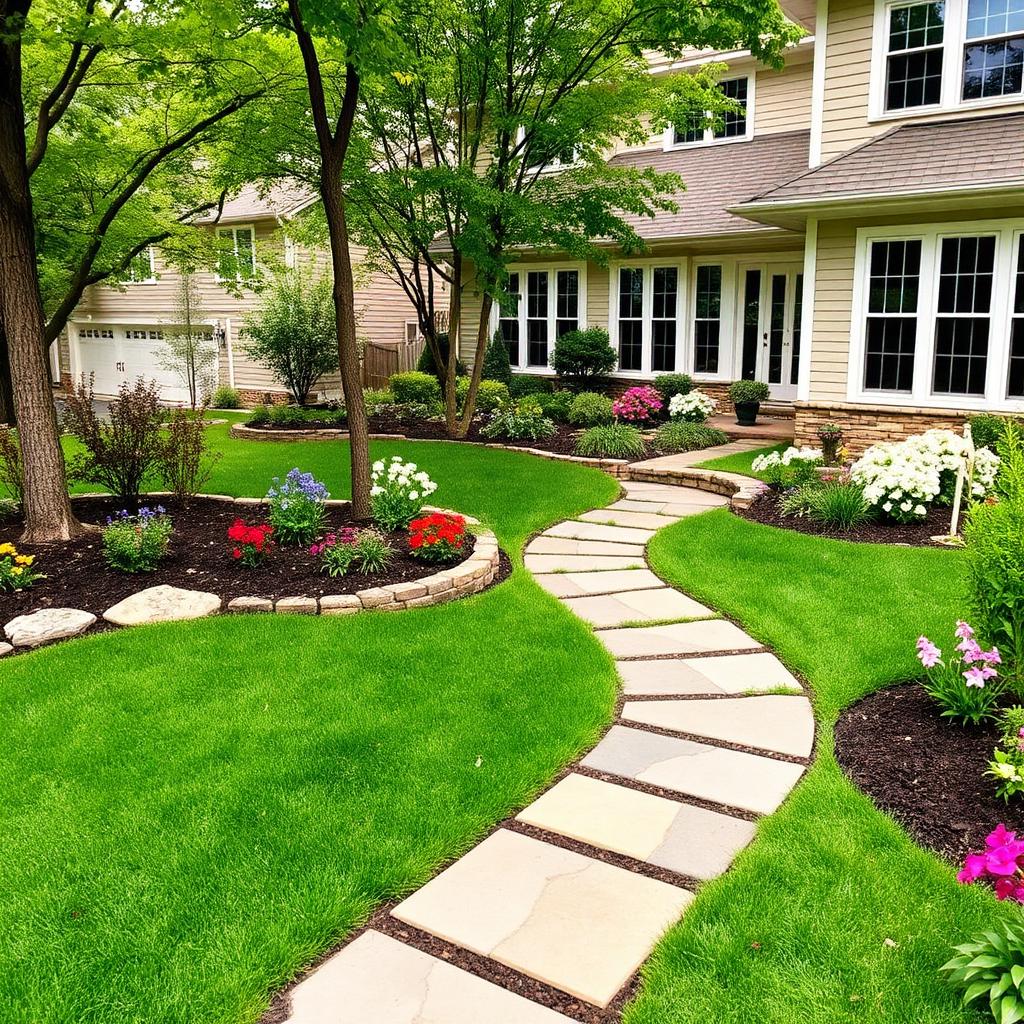
10 Easy Backyard Landscaping Ideas That Increase Home Value
Ten realistic backyard landscaping projects proven to raise curb appeal and resale value, ranked by cost and effort.
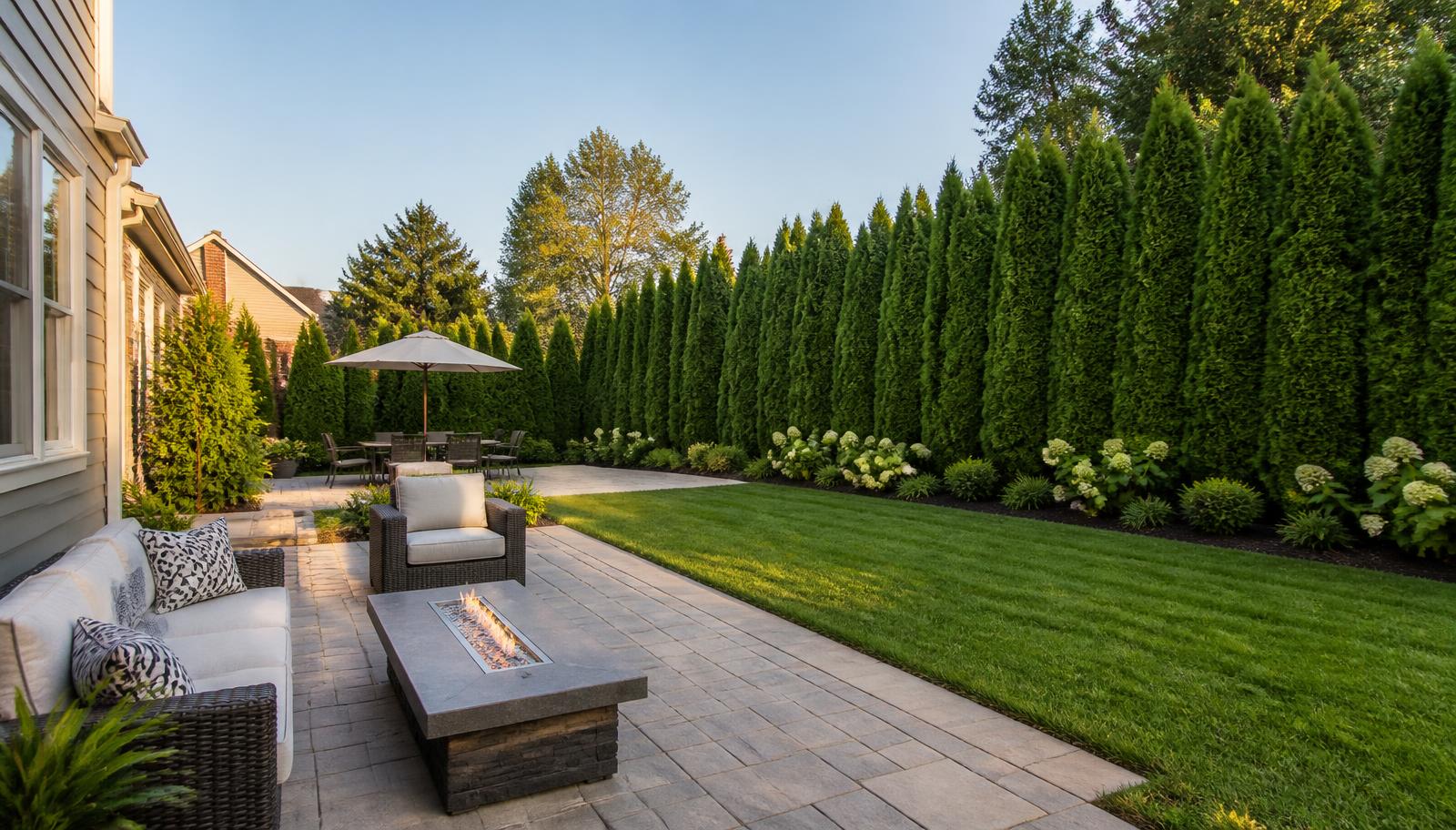
The $50 Privacy Fence Alternative American Homeowners Are Planting This Season
Wooden privacy fences can cost upwards of $4,000 to $10,000 to install in the US. Discover how smart homeowners are using fast-growing native green hedges to build natural 8-foot privacy walls for under $50 per plant.
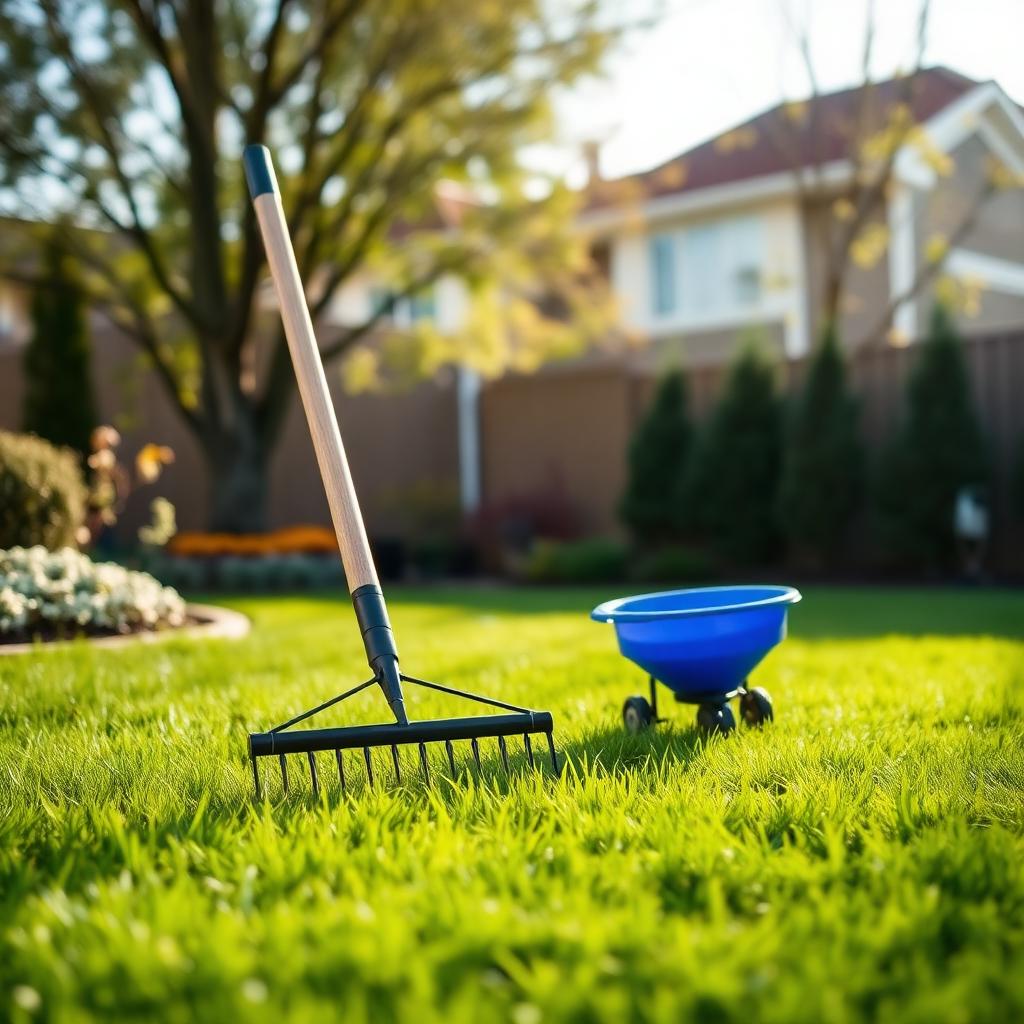
Spring Lawn Care Checklist for a Healthy Yard
The eight-step spring lawn care routine that produces a thick, green, weed-free yard by early summer.
Fresh home & garden ideas, every Sunday.
Join American homeowners getting practical, research-informed advice on gardening, landscaping, and DIY. Free, no spam, unsubscribe anytime.