The Ultimate Guide to Orchids: Growing Secrets, Care, Genera, and Hybrids
Everything you need to grow and rebloom stunning orchids at home: watering, light, media, fertilizing, the top five genera, hybrids, and fixes for every common problem.
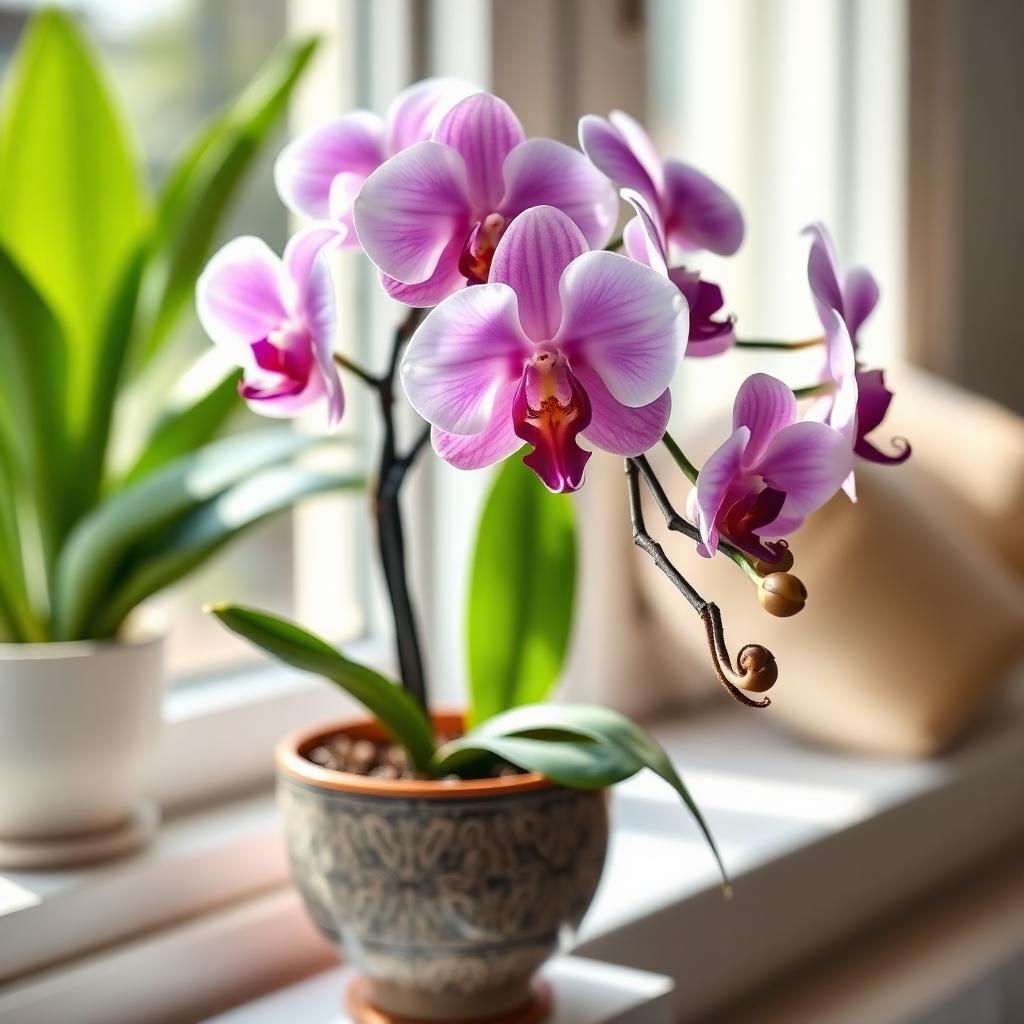
Orchids have a reputation for being difficult, but the truth is simpler and much more encouraging: most orchids sold in North American garden centers are epiphytes from tropical forests, and once you understand what that means, caring for them becomes a matter of copying nature, not fighting it. With the right light, the right potting media, and a watering schedule that respects how their roots actually breathe, healthy orchids can bloom for months at a time — and rebloom year after year.
This ultimate guide brings together fifteen years of hands-on growing experience with the science-backed advice horticulturists teach at the American Orchid Society. You will learn the growing secrets that separate thriving orchids from struggling ones, understand the difference between a genus, a natural species, and a hybrid, get detailed care profiles for the five most popular orchid genera, and finish with a full troubleshooting section covering yellow leaves, root rot, pests, and how to trigger a fresh bloom spike.
Growing Secrets: The Four Things Every Orchid Needs
Almost every orchid problem traces back to one of four inputs being wrong: water, light, potting media, or fertilizer. Get these right and the plant does the rest. Get one badly wrong and no amount of fussing fixes it.
Watering: Why the Weekly Rule Kills Orchids
The single most common orchid killer is overwatering. Because most houseplant orchids are epiphytes — plants that grow attached to tree branches, not in soil — their roots evolved to grab a heavy tropical downpour, dry out in the breeze, and repeat. Roots that stay constantly wet suffocate and rot within days.
Forget calendar watering. Instead, water when the potting media is nearly dry. In a clear pot, roots turn from bright green (hydrated) to silvery-gray (thirsty) — that color shift is your cue. For opaque pots, lift the pot: a light pot means dry media and thirsty roots. Wooden skewers pushed into the media and pulled out to check for moisture also work well.
When you do water, water thoroughly. Take the plant to the sink, run room-temperature water through the media for 30 to 60 seconds, and let every drop drain before returning it to its decorative cache pot. Never let an orchid sit in standing water. In most homes, this ends up being roughly every 7 to 10 days in summer and every 10 to 14 days in winter — but always let the plant, not the calendar, decide.
Lighting: Bright but Never Burning
Orchids want more light than most people give them, but never harsh midday sun through unfiltered glass. The classic test comes from the American Orchid Society: hold your hand about 12 inches above the leaves in the brightest part of the day. If you see a soft, fuzzy shadow, the light is right. A sharp, dark shadow means too much sun; almost no shadow means too little.
East-facing windows are ideal for most beginner orchids like Phalaenopsis. South- and west-facing windows suit higher-light genera like Cattleya and Vanda but need a sheer curtain to diffuse afternoon sun. If natural light is limited, a full-spectrum LED grow light 12 to 18 inches above the leaves, running 10 to 12 hours a day on a timer, produces excellent results and consumes very little electricity.
Leaf color is a reliable dashboard: healthy orchid leaves are medium apple green. Dark forest-green leaves mean not enough light (and often no blooms). Yellowish or reddish-tinged leaves usually mean too much light.
Potting Media and Substrates: Never Use Regular Soil
Because orchid roots need air, they cannot live in regular potting soil, which packs down and holds too much water. Instead, use a chunky, fast-draining orchid mix. The right media depends on the genus, but three ingredients cover almost every home orchid.
- Medium-grade fir bark: the standard base for Phalaenopsis, Cattleya, Oncidium, and Dendrobium. Drains fast, breaks down over 18 to 24 months, then needs replacing.
- Sphagnum moss: holds more moisture; great for seedlings, small pots, and homes with very dry air. Requires more careful watering — it can look dry on top while staying wet underneath.
- Charcoal and perlite add-ins: horticultural charcoal sweetens the mix and absorbs impurities, while perlite improves aeration in denser blends.
- Repot every 18 to 24 months, or immediately if the media has broken down into a soggy, soil-like texture. Fresh media alone can bring a declining orchid back to full health.
Fertilization: Weakly, Weekly
Orchid growers have a saying: feed weakly, weekly. Because bark-based media holds few nutrients, orchids need light, regular feeding — but heavy doses burn their sensitive roots.
Commercial options: use a balanced 20-20-20 orchid fertilizer or a specialized formula like MSU orchid fertilizer, diluted to a quarter of the label rate, once a week during active growth (spring and summer). Cut back to every other week in fall and winter. Once a month, flush the pot with plain water only to prevent salt buildup.
Organic options: diluted fish emulsion, seaweed extract, and worm-casting tea all work well at very low concentrations. Never apply undiluted organic amendments — they can quickly foul the media and attract fungus gnats.
Key Differences Explained: Genera, Natural Species, and Hybrids
Walk into any orchid show and you'll hear names like Phalaenopsis, Cattleya, Vanda, and Dendrobium tossed around alongside long, hyphenated Latin names and even trademarked grex names. Understanding the hierarchy makes the whole world of orchids far less intimidating.
A genus (plural: genera) is a group of closely related orchid species that share key botanical traits — flower structure, growth habit, and root type. Phalaenopsis is a genus. Cattleya is a genus. Orchidaceae, the orchid family as a whole, contains more than 25,000 accepted species across roughly 750 genera, making it one of the two largest plant families on Earth.
A natural species is a wild orchid that reproduces true from seed in its native habitat — for example, Phalaenopsis amabilis or Cattleya labiata. Species names are written in italics as two Latin words: the genus and the specific epithet.
A hybrid is a cross between two or more parent orchids, produced deliberately by growers to combine desirable traits like larger flowers, unusual colors, longer bloom life, or increased heat tolerance. Hybrids can be within one genus (an intrageneric hybrid, e.g., Phalaenopsis × two Phal parents) or between different genera (an intergeneric hybrid, like × Brassolaeliocattleya, which combines Brassavola, Laelia, and Cattleya). Almost every orchid sold at a supermarket is a hybrid selected specifically to bloom reliably indoors.
Guide to Popular Orchid Genera
These five genera cover about 95% of orchids sold to home growers. Learn their preferences and you'll be ready for almost anything you meet at a garden center or orchid show.
Phalaenopsis (Moth Orchid): The Perfect Beginner
Phalaenopsis — the ubiquitous moth orchid — is the easiest and most forgiving genus for indoor growers. Blooms last 8 to 12 weeks, and mature plants often produce a spike once or twice a year.
Light: medium, indirect (east window ideal). Temperature: 65–80°F day, 60–65°F night. Water: every 7 to 10 days when media is nearly dry. Trigger to rebloom: a 3- to 4-week stretch of cooler nights around 55–60°F, which most homes get naturally in autumn.
Cattleya: Big, Fragrant, and Show-Stopping
Cattleyas are the classic corsage orchids — large, ruffled flowers, often with strong sweet fragrance. They want more light than Phalaenopsis and thrive on a strict wet-dry cycle.
Light: bright, filtered (south or west window with sheer curtain). Temperature: 70–85°F day, 55–65°F night. Water: heavy soak, then let the media dry completely before watering again — typically every 7 to 14 days. Rest period: many bloom in spring or fall after a slight winter cool-down.
Dendrobium: Cane Orchids With Long-Lasting Sprays
Dendrobiums are a huge genus with hundreds of species and thousands of hybrids. The most common houseplant type is the nobile-style or Den-phal-style hybrid, which produces tall sprays of flowers along vertical canes.
Light: bright, similar to Cattleya. Temperature: 65–80°F day; nobile types need cool 50–55°F nights in winter to trigger blooms. Water: heavily during growth in spring and summer; reduce sharply in fall and winter to encourage flowering.
Vanda: High Light, No Pot
Vandas are dramatic epiphytes typically grown in slatted wooden baskets with bare roots dangling in the air — no potting media at all. They produce huge, brightly colored flowers and thrive in humid, sunny environments like greenhouses and sunrooms.
Light: very bright, near-direct sun. Temperature: 70–95°F day, 60–70°F night. Water: daily misting or a full soak of the roots in warm water for 10 minutes, often once a day in summer. Humidity: 60% or higher — they struggle in dry winter homes without a humidifier.
Oncidium: The Dancing Ladies
Oncidiums produce sprays of small, cheerful yellow-and-brown blooms nicknamed dancing ladies. Modern intergeneric hybrids (like × Colmanara and × Oncidopsis) extend the color range into reds, whites, and even chocolate-scented varieties.
Light: medium to bright, filtered. Temperature: 60–80°F day, 55–65°F night. Water: keep evenly moist during growth, drier during winter rest. Pseudobulbs should stay plump — deep wrinkles are the plant's way of asking for more water.
At-a-Glance Comparison of the Five Most Popular Orchids
Use this table to quickly match the right orchid to the light and time you can offer at home.
| Genus | Light | Watering Frequency | Difficulty | Bloom Length |
|---|---|---|---|---|
| Phalaenopsis | Medium, indirect (east window) | Every 7–10 days | Easy | 8–12 weeks |
| Cattleya | Bright, filtered (south/west) | Every 7–14 days, dry between | Moderate | 2–4 weeks |
| Dendrobium | Bright, filtered | Heavy in summer, dry in winter | Moderate | 4–8 weeks |
| Vanda | Very bright, near-direct sun | Daily soak or mist | Advanced | 4–6 weeks |
| Oncidium | Medium to bright, filtered | Every 5–7 days, evenly moist | Easy–Moderate | 3–6 weeks |
Troubleshooting Common Orchid Problems
Almost every symptom on an orchid points to a small number of root causes. Here's how to read the signs and fix them before the plant declines.
Yellow Leaves
An older, bottom leaf turning yellow and dropping once or twice a year is normal aging — nothing to worry about. Multiple yellow leaves at once, or yellowing from the top of the plant, signals a bigger problem.
Most common causes: overwatering leading to root rot (check roots first), too much direct sun (move away from a hot window), or nutrient deficiency after a long stretch without feeding. Fix the root cause, and new leaves will emerge healthy.
Root Rot
Healthy orchid roots are firm, plump, and green or silver-gray. Rotted roots are mushy, brown or black, and often smell sour. Root rot is almost always caused by overwatering, broken-down media, or a pot with no drainage.
Rescue procedure: unpot the plant, rinse the roots, and use sterilized scissors to trim every soft brown root back to firm tissue. Dust the cuts with cinnamon (a natural mild antifungal) and repot in fresh, dry bark. Withhold water for a week, then resume light watering. Many orchids recover completely within a few months.
Pests: Scale, Mealybugs, and Spider Mites
Indoor orchids attract three main pests. Scale insects look like small brown or tan bumps stuck to leaves and stems. Mealybugs appear as white cottony clusters in leaf joints. Spider mites cause fine stippling on leaves and thin webbing on the underside.
For all three, wipe leaves with a soft cloth dipped in 70% isopropyl alcohol, then spray weekly with a horticultural oil or insecticidal soap for at least three weeks to break the life cycle. Isolate any infested plant from healthy ones.
Fungal and Bacterial Infections
Black or brown spots on leaves that spread quickly, especially in humid, poorly ventilated rooms, indicate a fungal or bacterial infection. Cut away infected tissue with sterilized blades, treat cut edges with cinnamon or a copper fungicide, and improve air circulation with a small fan on low.
Avoid watering the crown (center of the leaves) on Phalaenopsis — trapped water there is the number-one cause of fatal crown rot.
How to Trigger Reblooming
The most common question new orchid owners ask is why their plant won't rebloom. The plant is not broken — it simply hasn't received the environmental cue that its species uses to flower.
For Phalaenopsis, that cue is a 3- to 4-week stretch of night temperatures between 55 and 60°F. Placing the plant near a slightly drafty window in autumn usually does the trick. For Cattleya and Dendrobium, reduce watering and fertilizing in late fall to simulate the natural dry season. Once you see a new spike emerging, resume normal care and stake the spike gently to guide it upward.
Frequently Asked Questions
How often should I water my orchid?
Water when the potting media is nearly dry, not on a set schedule. In most homes, this ends up being every 7 to 10 days in summer and 10 to 14 days in winter. Silver-gray roots in a clear pot mean it's time; bright green roots mean wait.
Why won't my orchid rebloom?
The most common reason is not enough light, followed by no temperature drop to trigger a new spike. Move the plant to a brighter east-facing window and expose it to 55–60°F nights for three to four weeks in autumn.
Can I use regular potting soil for orchids?
No. Regular soil suffocates orchid roots and causes rot within weeks. Use a chunky orchid-specific mix based on fir bark, sphagnum moss, charcoal, and perlite so roots can breathe.
Should I cut the flower spike after blooming?
For Phalaenopsis, cut the spike just above a lower node — the plant will often send out a secondary spike. If the spike turns brown and woody, cut it all the way down at the base. For Cattleya and most other genera, remove the entire spent spike at its base.
How long does it take for an orchid to rebloom?
With good care, most Phalaenopsis rebloom once or twice a year. Cattleya, Dendrobium, and Oncidium typically bloom once a year on a predictable seasonal cycle tied to their native climate.
Are orchids safe for pets?
The five popular genera covered here — Phalaenopsis, Cattleya, Dendrobium, Vanda, and Oncidium — are considered non-toxic to cats and dogs by the ASPCA. Fertilizers and pesticides applied to them, however, can be harmful; keep treated plants out of reach.
Conclusion
Orchids reward patience more than any other houseplant. Give them the right light, water them the moment the roots start to thirst, feed them lightly and often, and repot them into fresh bark every year or two — and they will bloom for you again and again, sometimes for decades. Start with a single Phalaenopsis from a reputable grower, apply what you've learned in this guide, and by the time it finishes its first bloom cycle in your home, you'll be ready to add a Cattleya, a Dendrobium, or that curious Oncidium you couldn't stop looking at. Which orchid genus are you growing first? Bookmark this guide, share it with a fellow plant lover, and come back to the troubleshooting section any time you spot a yellow leaf.
About the author
Lead Editor
Sarah is a gardening enthusiast with 15 years of hands-on experience growing food and flowers across USDA zones 3 through 9. She has contributed to various gardening publications and leads the editorial team at Home & Garden Hub USA.
More from Sarah MitchellPublished · Updated
Related articles
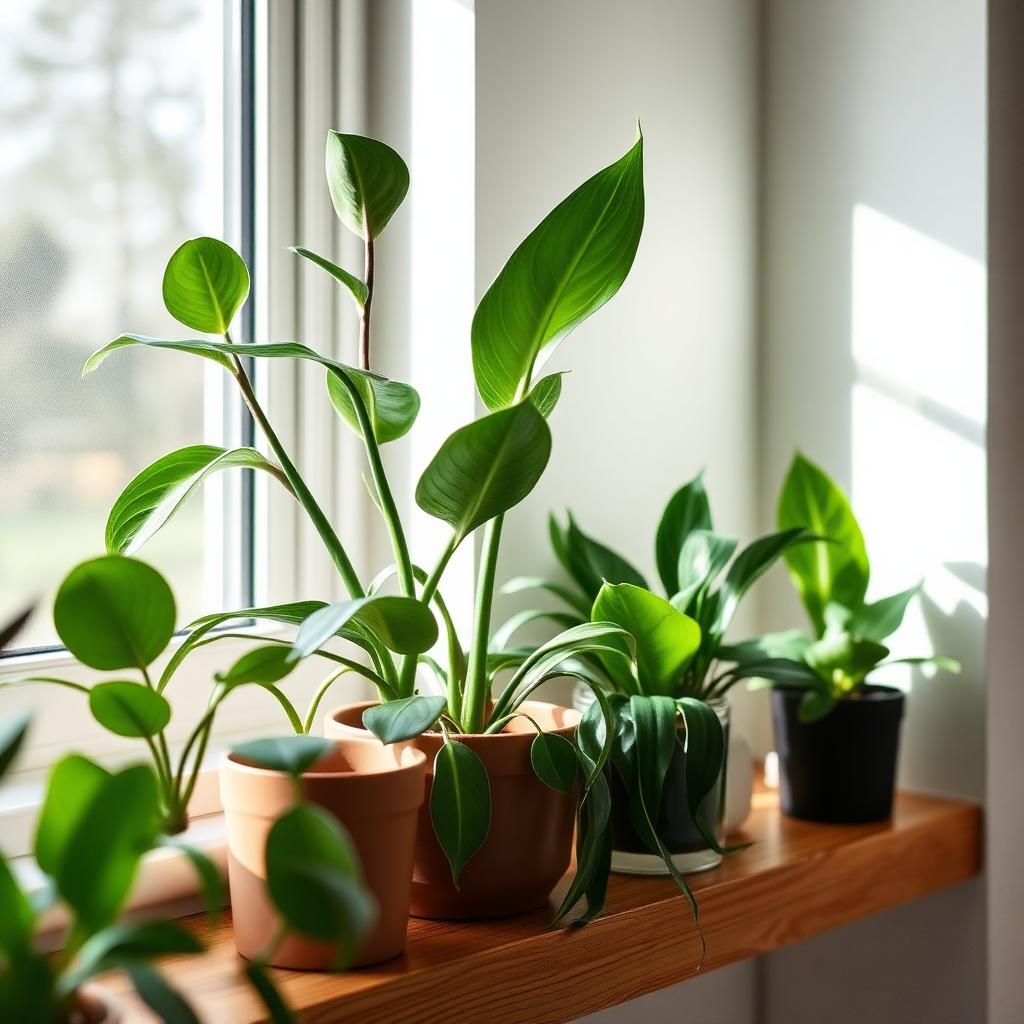
Best Indoor Plants for Low-Light Rooms
Twelve houseplants that genuinely thrive in dim apartments, north-facing rooms, and shaded corners.
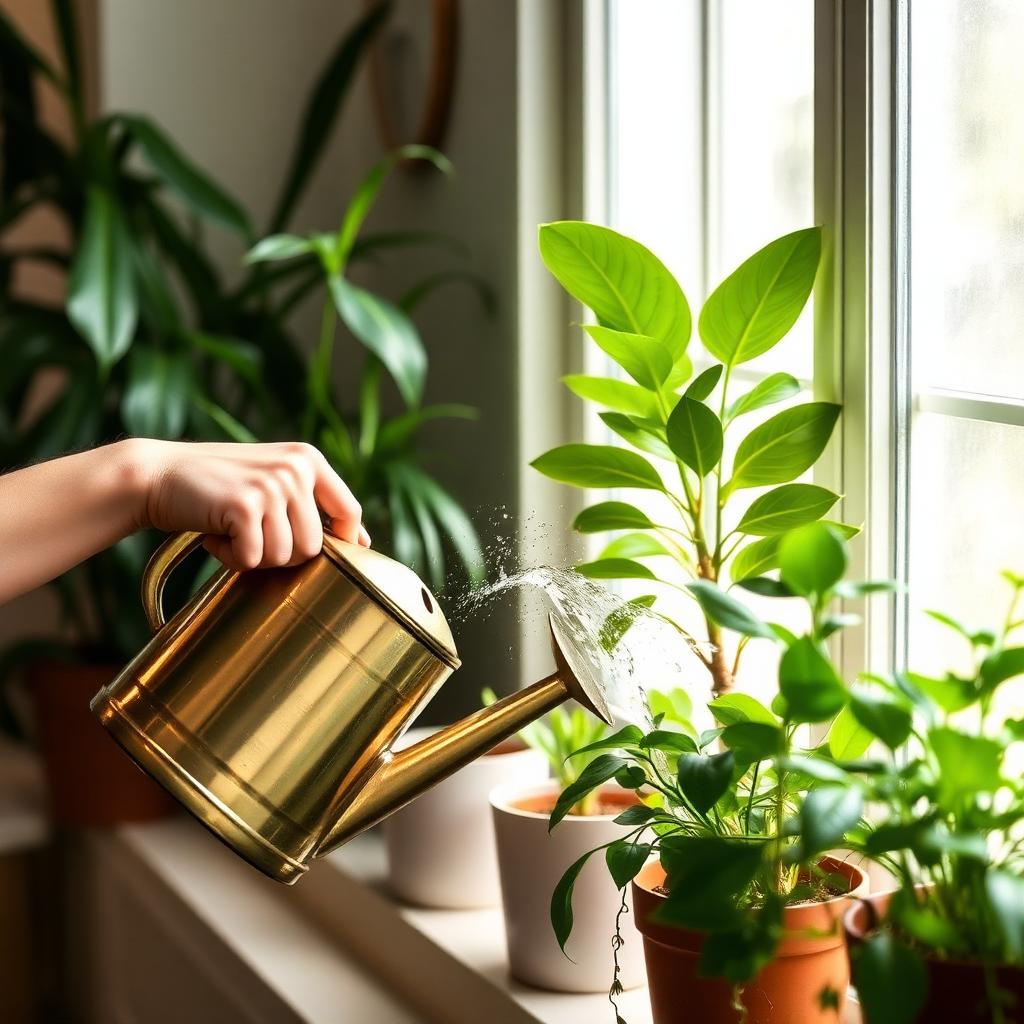
How Often Should You Water Indoor Plants?
Forget the calendar. Learn the finger test, the pot-weight trick, and the light-based watering rhythm that keeps houseplants alive for years.
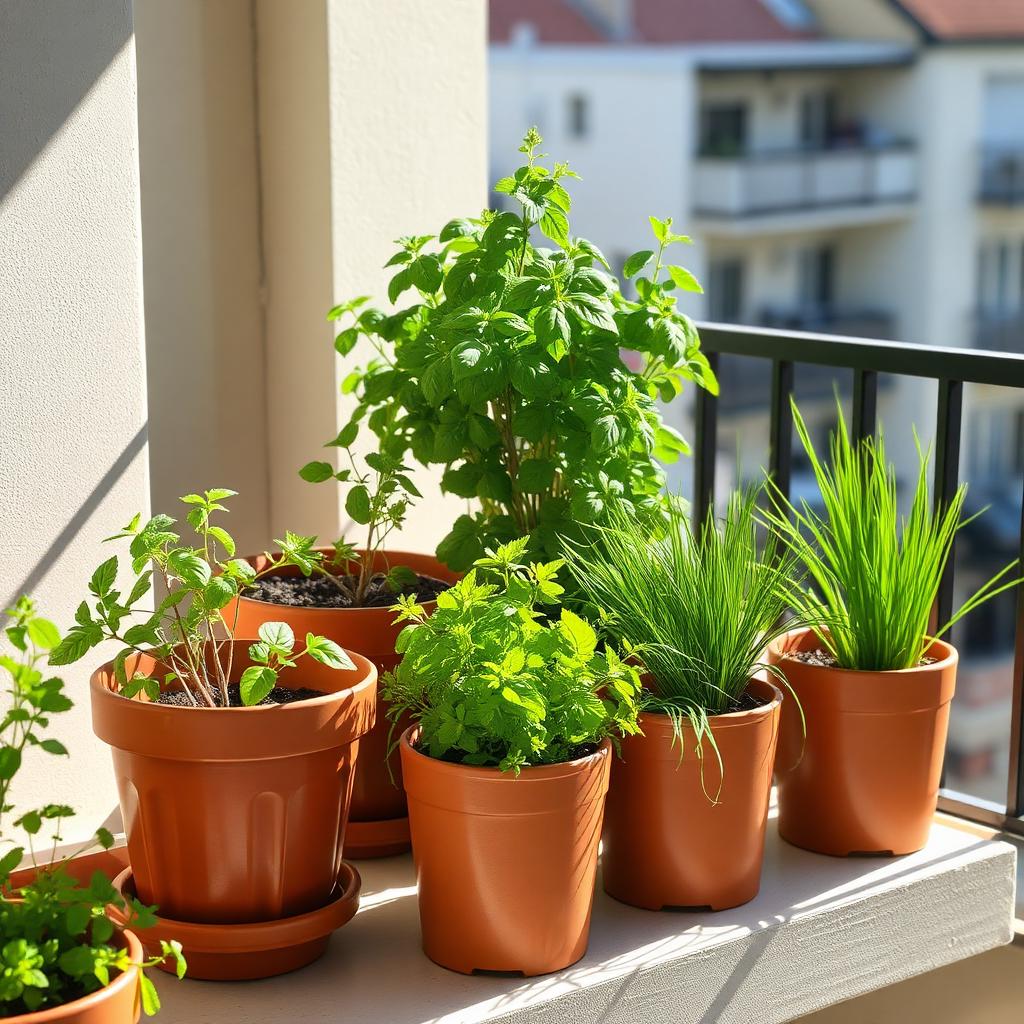
Apartment Herb Garden: How to Grow Fresh Herbs in Small Spaces
A practical guide to starting an apartment herb garden: assessing light, choosing the right herbs, layering drainage, watering, and fertilizing without fuss.
Fresh home & garden ideas, every Sunday.
Join American homeowners getting practical, research-informed advice on gardening, landscaping, and DIY. Free, no spam, unsubscribe anytime.