How Often Should You Water Indoor Plants?
Forget the calendar. Learn the finger test, the pot-weight trick, and the light-based watering rhythm that keeps houseplants alive for years.
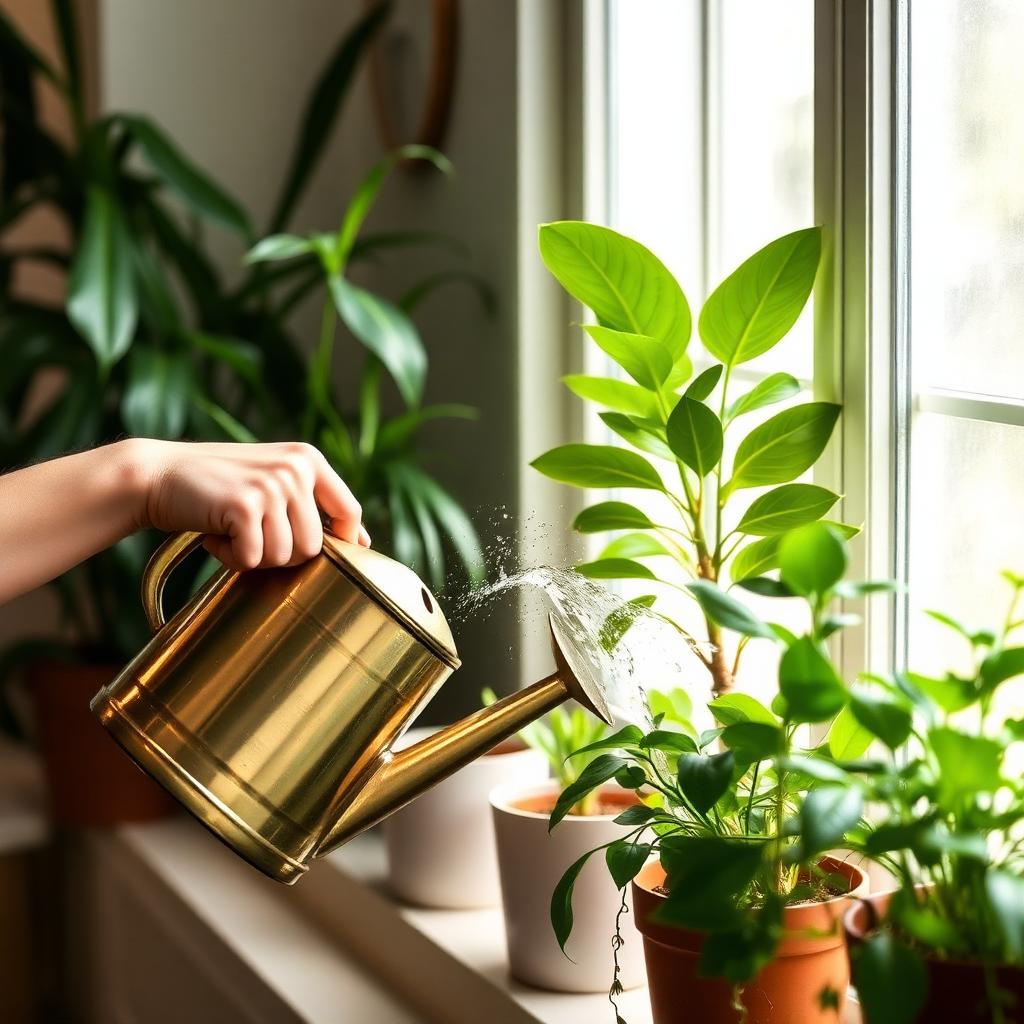
Overwatering kills more houseplants than any other cause. The instinct to water 'a little every few days' rots roots quietly for weeks before the leaves ever tell you anything is wrong. The fix is to stop counting days on a calendar and start checking the soil. University of Georgia Extension: Watering Indoor Plants
This guide lays out the three reliable ways to know when a houseplant actually needs water, plus specific ranges for popular plants across the seasons.
Why 'Water Once a Week' Fails
Every plant uses water at a different rate based on species, pot size, soil mix, humidity, temperature, and how much light it receives. A pothos in a small pot near a bright window may need water every 5 days in summer and every 21 days in winter. A calendar cannot possibly track that.
Instead, use your senses. Three checks cover most situations.
The Finger Test
Push a clean finger about an inch into the soil. If it comes out with damp soil clinging to it, do not water yet. If it comes out clean and dry, water thoroughly.
For deeper pots (over eight inches), push in a wooden chopstick or bamboo skewer for 30 seconds; damp wood means wait.
The Pot-Weight Trick
Lift the pot right after you water it. That is 'heavy.' A week later, lift it again. When the pot feels noticeably lighter, most plants are ready. This is the fastest method once you know your plants and works especially well for succulents and cacti.
The Light Rule
Plants in brighter light photosynthesize more and drink more. Plants in low light barely drink at all. As a rule of thumb, a low-light plant needs roughly half as much water as the same plant in bright light.
When you move a plant to a darker spot for the winter, cut its watering frequency in half automatically.
Water Thoroughly, Then Stop
When it is time, water until you see excess drain from the bottom of the pot. That deep soak wets the entire root ball and flushes salt buildup.
Empty the saucer within 15 minutes. A pot sitting in water is the number one cause of root rot.
Typical Frequencies by Plant
These are rough starting points; adjust based on your actual light and pot conditions.
- Snake plant, ZZ plant, cactus, succulents: every 2 to 4 weeks
- Pothos, philodendron, spider plant, dracaena: every 7 to 10 days
- Fiddle leaf fig, monstera, rubber plant: every 7 to 10 days
- Peace lily, calathea, prayer plant, ferns: every 4 to 7 days (they like moist)
- Orchids: soak roots weekly, dry between
Seasonal Adjustments
Cut watering frequency by roughly half in fall and winter when light drops and plants slow down. Increase again in spring as days lengthen and new growth appears.
Winter dry indoor air can be misleading; the surface soil dries faster than the root zone, so keep using the finger or chopstick test rather than assuming a dry top means a dry root ball.
Reading the Warning Signs
Yellow leaves, mushy stems, and a swampy smell mean overwatering. Crispy brown leaf edges, wilting, and light pot weight mean underwatering. Wilting plus wet soil usually means the roots are already rotted; unpot, trim black roots, and repot in fresh soil.
Frequently Asked Questions
Should Many homeowners use tap water on houseplants?
Most tap water is fine for most houseplants. If yours is heavily chlorinated, let it sit in an open container overnight before using. Sensitive plants like calathea and dracaena prefer filtered or distilled water.
Is bottom watering better?
Bottom watering encourages deeper roots and reduces fungus gnats. Set the pot in a tray of water for 15 to 30 minutes, then remove. Alternate with a top watering once a month to flush salts.
How much water should I give each time?
Enough that water freely drains from the bottom of the pot, roughly 10 to 20 percent of the pot's volume. Frequency matters more than exact amount.
Do plants need less water in winter?
Yes, usually about half as much. Lower light and cooler temperatures slow growth and evaporation dramatically.
Conclusion
Stop watering by the calendar and start watering by the plant. Two seconds with your finger in the soil will save you more houseplants than any care app on your phone.
About the author
Editorial Contributor
Sarah writes the gardening and houseplant guides here — seasonal tasks, soil and watering, planting ideas, and the ordinary problems that come up between spring and frost.
More from Sarah MitchellPublished · Updated
Related articles

Best Indoor Plants for Low-Light Rooms: What Actually Survives
Twelve houseplants that hold up in dark apartments, north-facing windowsills, and shaded corners.
10 Common Gardening Mistakes and How to Avoid Them
Common gardening mistakes that can cause problems each season, and the simple fix for each.
How to Start a Vegetable Garden: A Practical Beginner's Guide
Everything a first-year gardener actually needs to know to grow real food this season, without the overwhelm.
Fresh home & garden ideas, every Sunday.
Join American homeowners getting practical home & garden advice on gardening, landscaping, and DIY. Free, no spam, unsubscribe anytime.