7 Outdated Backyard Trends That May Make a Home Less Appealing to Buyers
American buyers now shop for low-maintenance, multi-functional outdoor living. These seven dated backyard features can impact the attractiveness of offers — and each one has a modern, more practical replacement that can better suit current homeowner preferences.
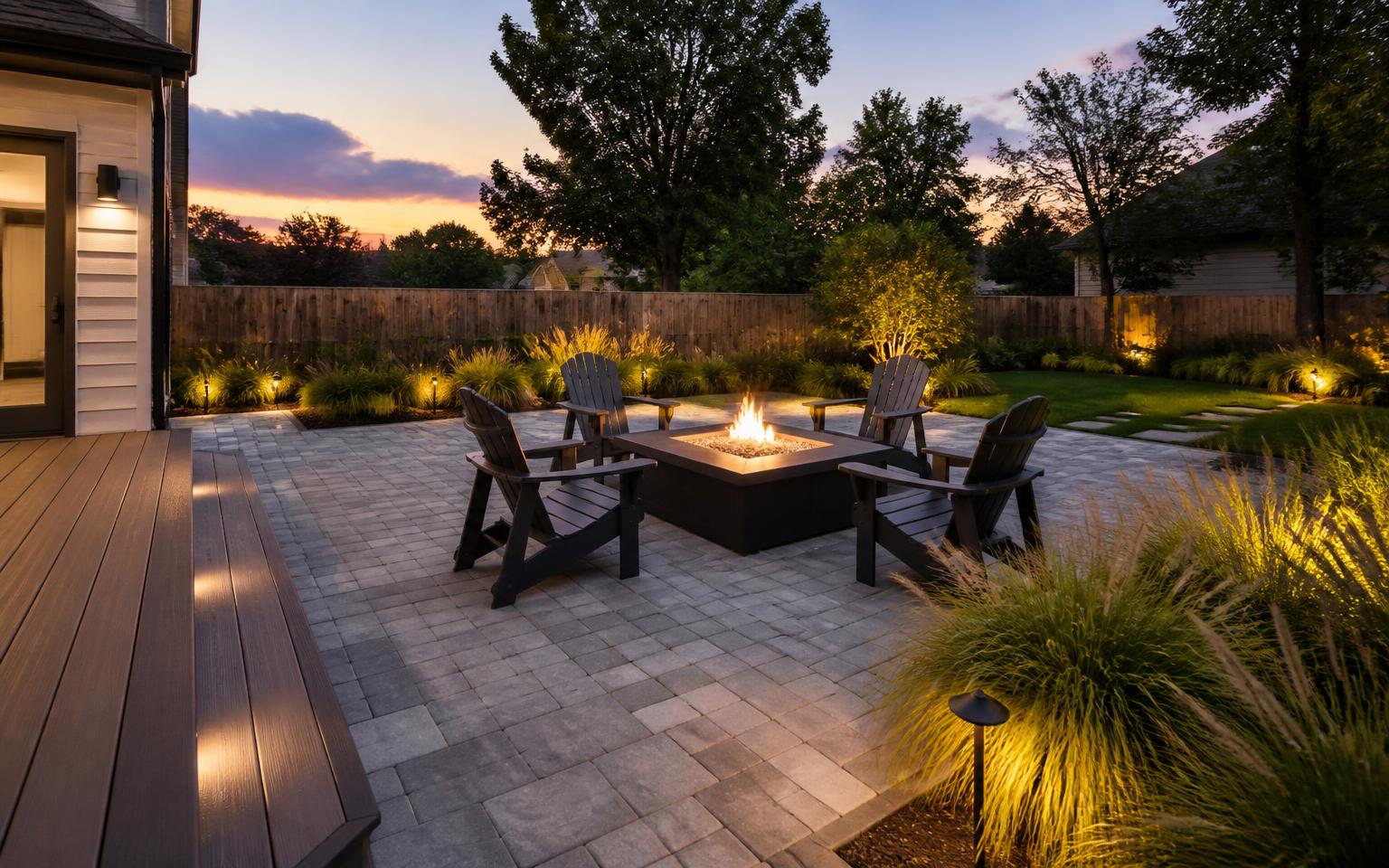
Ten years ago, a big green lawn, a poured concrete slab, and a koi pond were the marks of a well-kept American backyard. In 2026, the same features read as work. Buyers walking a yard for the first time are no longer imagining weekends with a hose and a pressure washer — they are mentally pricing out what it costs to undo whatever the last owner installed.
The shift is measurable. Appraisers and listing agents across the country report that outdoor spaces which are low-maintenance, shaded, zoned for more than one use, and lit for evening use consistently support stronger offers, while high-upkeep features are treated as deferred maintenance. If you are planning to sell in the next two years — or simply want to stop losing weekends to your yard — these are the seven trends to retire first, along with the modern upgrade buyers actually pay extra for.
1. High-Maintenance Turf Lawns Without Drip Systems
Wall-to-wall cool-season turf with no irrigation plan is one of the most common value drags in American yards. In much of the West and Southwest, water restrictions now make a thirsty lawn a recurring line item rather than a neutral feature, and buyers know it. In hot, humid regions, the problem is labor: mowing, edging, dethatching, and grub treatment on a lawn that browns out anyway by August.
The modern replacement is not gravel and cactus. Buyers respond to xeriscaping done well — a smaller, tidy lawn area kept for kids and dogs, framed by drought-tolerant native beds and served by inline drip irrigation on a smart controller. Micro-clover and fescue blends are the fastest fix if you want to keep a green expanse: they stay green on roughly a third less water, tolerate light foot traffic, and self-fertilize with nitrogen. Keep the turf, shrink it, and irrigate it intelligently.
- Reduce turf to the area you actually use, then convert the rest to native or drought-tolerant beds.
- Install inline drip in planting beds and a WiFi controller with a rain sensor — an inexpensive upgrade buyers see as move-in ready.
- Overseed with a fescue and micro-clover blend instead of resodding with high-water Kentucky bluegrass.
2. Oversized Concrete Patios vs. Paver Zones
A large poured slab was cheap to install and it shows. Concrete cracks as the soil moves, stains from grill grease and leaf tannins, and cannot be repaired invisibly — patching leaves a visible scar, so the only real fix is demolition and replacement. That is a $6,000 to $15,000 mental deduction a buyer makes on the spot when they see spidered cracks or a settled corner near the downspout.
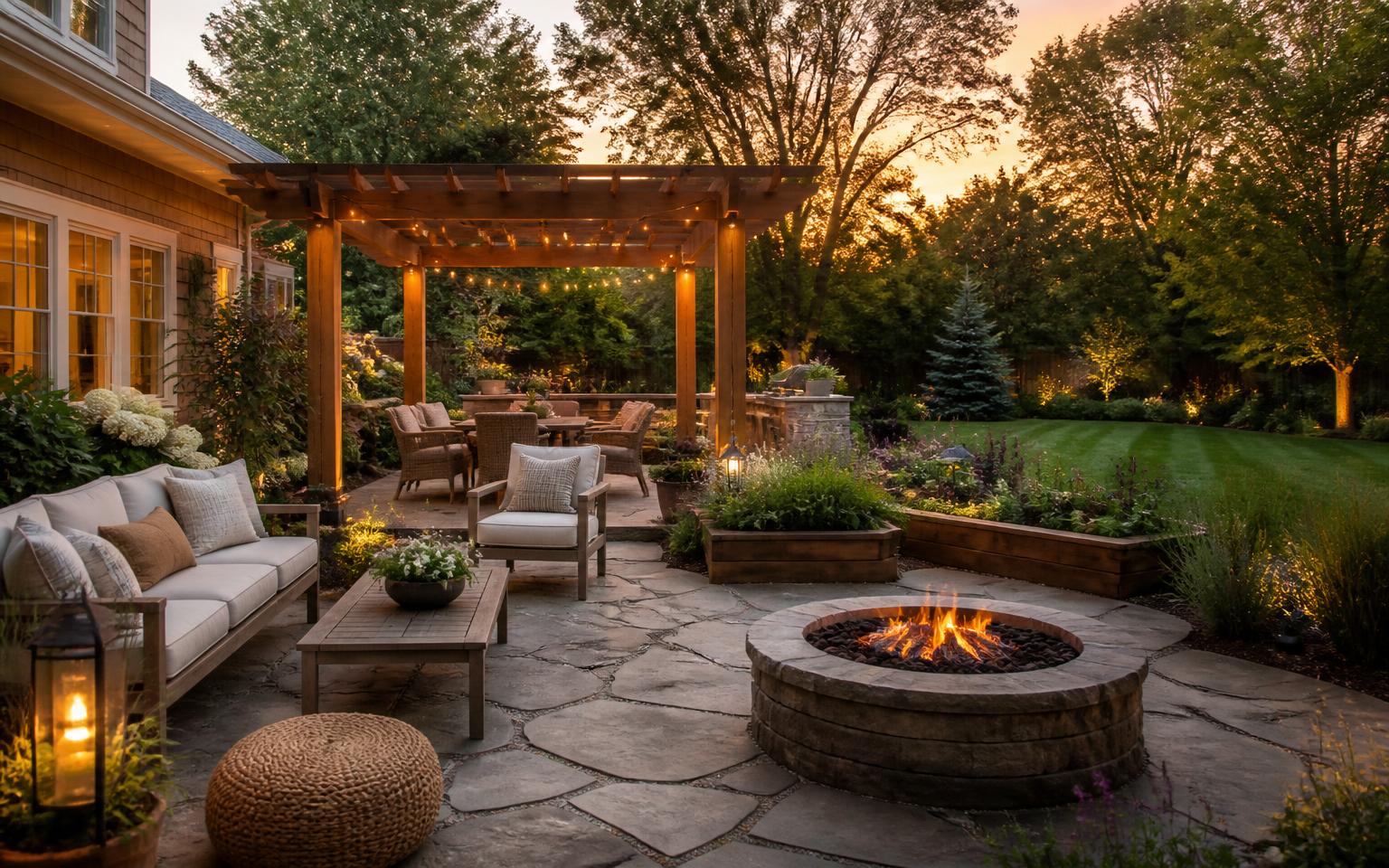
Modular stone pavers and composite decking read as current for two reasons. First, they are repairable: a cracked paver is lifted and swapped for the cost of one unit. Second, they let you break one enormous surface into defined zones — dining near the door, lounge seating around a fire feature, a narrow path to the side gate. Zoning is what makes a mid-sized yard feel designed rather than paved, and it is the difference between "there is a patio" and "there is an outdoor room."
3. Uncovered and Unshaded Outdoor Seating Areas
An open patio in full afternoon sun is usable for about two hours a day for most of the American summer. Buyers touring in July notice immediately, and a seating area they cannot sit in does not count as living space in their heads. Shade is what converts square footage into usable square footage — which is exactly how appraisers describe covered outdoor areas. A pergola with a retractable canopy, a cantilevered structure off the house, or a well-placed shade sail costs a fraction of a room addition and extends daily use by hours. If your budget is planting-only, a pair of fast-growing native shade trees on the west exposure does the same job in three to five seasons while cutting cooling costs.
4. Cheap Plastic Garden Edging and Dyed Colored Mulch
Nothing dates a yard faster than black plastic edging heaving out of the soil and bright red or orange dyed mulch fading to pink. Both signal a DIY shortcut, and both are the first things a staging photographer tries to crop out of the frame. Plastic edging fails because frost and root pressure push it up; once it lifts, the bed line disappears and grass invades. Dyed mulch fails visually — the color is unnatural in every kind of light and the dye washes onto adjacent concrete. Swap in steel or aluminum edging, a cut spade edge, or a single course of stone, and use natural double-shredded hardwood or pine bark mulch instead. It is a weekend of work and a couple hundred dollars, and it is the cheapest curb appeal upgrade in this list.
5. High-Maintenance Water Features and Unfiltered Ponds
A stagnant backyard pond is not read as a luxury asset in 2026. It is read as a mosquito nursery, an algae problem, a pump that will fail, and — for anyone with small children — a liability that requires fencing. Unfiltered ponds and undersized preformed liners are the worst offenders: they go green within weeks, they lose water to evaporation faster than owners expect, and they need seasonal draining and cleaning in cold zones.
That does not mean water is off the table. Buyers still love the sound of moving water; they simply do not want the maintenance. Recirculating pondless features — a bubbling boulder, a basalt column set, or a disappearing stream over a hidden basin — deliver the same sensory payoff with a sealed reservoir, no standing water, no fish, and no drowning risk. If you have an existing pond you do not use, converting it to a pondless feature or filling it and planting the footprint almost always nets you more at closing than leaving it as is.
6. Invasive Bamboo and Overgrown Trees Near Foundations
Running bamboo is the fastest way to turn a privacy screen into a disclosure item. Its rhizomes travel under fences, sidewalks, and into neighboring yards, and in many states the neighbor's removal costs land on you. Buyers who recognize it — and increasingly they do — either walk or ask for a remediation credit that dwarfs whatever you spent planting it.
Mature trees planted too close to the house create the same anxiety for different reasons: limbs over the roof, roots near the footing and sewer lateral, and a shaded, perpetually damp wall. The fix is not clear-cutting. Have an arborist crown-thin and raise the canopy, remove anything with structural defects over the roofline, and replace running bamboo with clumping species or an evergreen screen of arborvitae or Skip Laurel planted 3 feet inside the property line. A recent arborist report handed to a buyer converts a red flag into a documented, handled item.
7. Lack of Exterior Low-Voltage LED Landscape Lighting
Most American homes are shown to their owners' friends and family after dark, and increasingly they are shown to buyers that way too. A yard with no lighting simply vanishes at 8 p.m., which means every dollar you spent on planting and hardscape stops working for half the day.
Low-voltage LED lighting is a popular item on this list. A transformer, a run of direct-burial cable, and a dozen fixtures — path lights along walkways, uplights on two or three specimen trees, and a warm 2700K wash on the facade — can be installed for a moderate investment and photographs spectacularly in listing photos. Department of Energy: Outdoor Lighting International Dark-Sky Association: Outdoor Lighting Basics
Modern Upgrades: 3 High-Value Backyard Features Buyers Pay Extra For
If you only fund three projects before listing, fund these. Each one directly answers what buyers say they want — more usable outdoor living, less upkeep — and each is easy for an agent to feature in marketing.
- A defined outdoor kitchen zone: even a compact run with a built-in grill, stone counter, and a small sink turns a patio into a second dining room and consistently ranks among the most requested outdoor features.
- A permanent fire feature: a gas fire table or a stone fire pit on a non-combustible surface extends the season by two months in most climates and creates the seating anchor a bare patio lacks.
- Low-maintenance native planting beds: a layered bed of native perennials, ornamental grasses, and evergreen structure on drip irrigation looks intentional year-round and promises the buyer almost no weekend labor.
| Upgrade | Typical installed cost | What buyers see |
|---|---|---|
| Low-voltage LED lighting | $600 – $2,000 | Safety, evening usability, premium finish |
| Gas fire table or stone fire pit | $1,200 – $5,000 | Year-round gathering space |
| Paver patio zones | $4,000 – $12,000 | Repairable, designed outdoor rooms |
| Pergola or shade structure | $3,500 – $9,000 | Usable square footage in summer |
| Native beds on drip irrigation | $1,500 – $6,000 | Low water bills, no weekend labor |
Frequently Asked Questions
Does landscaping actually increase home value?
Well-executed landscaping generally returns a meaningful share of its cost at resale, and the strongest performers are hardscape, shade, and lighting rather than plant quantity. Just as important, a modern low-maintenance yard shortens time on market because it removes work from the buyer's mental checklist.
Should I remove my pond before selling?
If it is unfiltered, green, or unused, yes — either convert it to a pondless recirculating feature or fill and plant the footprint. A clean, filtered, well-planted pond can be an asset, but a neglected one invites mosquito, safety, and maintenance objections.
Is artificial turf a good replacement for a thirsty lawn?
It works in small, shaded-free dog runs and tiny urban yards, but many buyers dislike the heat it holds and the eventual replacement cost. A reduced natural lawn in a fescue and micro-clover blend with drip-irrigated native beds is the safer resale choice in most US markets.
How much does low-voltage landscape lighting cost?
Expect roughly $600 to $2,000 installed for a transformer and eight to twelve LED fixtures, depending on cable runs and whether an electrician sets the outlet. It is the least expensive upgrade on this list with the largest visual payoff in listing photos.
Can I fix a cracked concrete patio instead of replacing it?
Structural cracks can be sealed and the surface can be resurfaced or overlaid, which buys years of service. If the slab has settled unevenly or cracked in multiple directions, overlaying a paver system or replacing it with zoned pavers presents far better and avoids a visible patch.
What outdoor project should I do first if my budget is small?
Fix bed lines and mulch, then add low-voltage lighting. Together they usually cost under $2,500, take two weekends, and change every photograph of the property.
Conclusion
You do not need to rebuild your yard to protect its value — you need to remove the features that promise work and add the ones that promise use. Shrink the thirsty lawn and put it on drip, break the slab into zones, add shade over your seating, swap plastic edging and dyed mulch for steel and natural bark, retire the stagnant pond, get an arborist report on anything growing near the house, and light the whole thing for evening. Do those seven things and you get two returns at once: stronger offers when you eventually sell, and weekends you actually spend in the yard instead of maintaining it.
About the author
Outdoor Living & Landscaping Contributor
Adilson covers topics related to gardens and outdoor spaces: planting plans, patios and pathways, drainage and slope, and the advantages and disadvantages of lawn alternatives.
More from Adilson VieiraPublished · Updated
Related articles
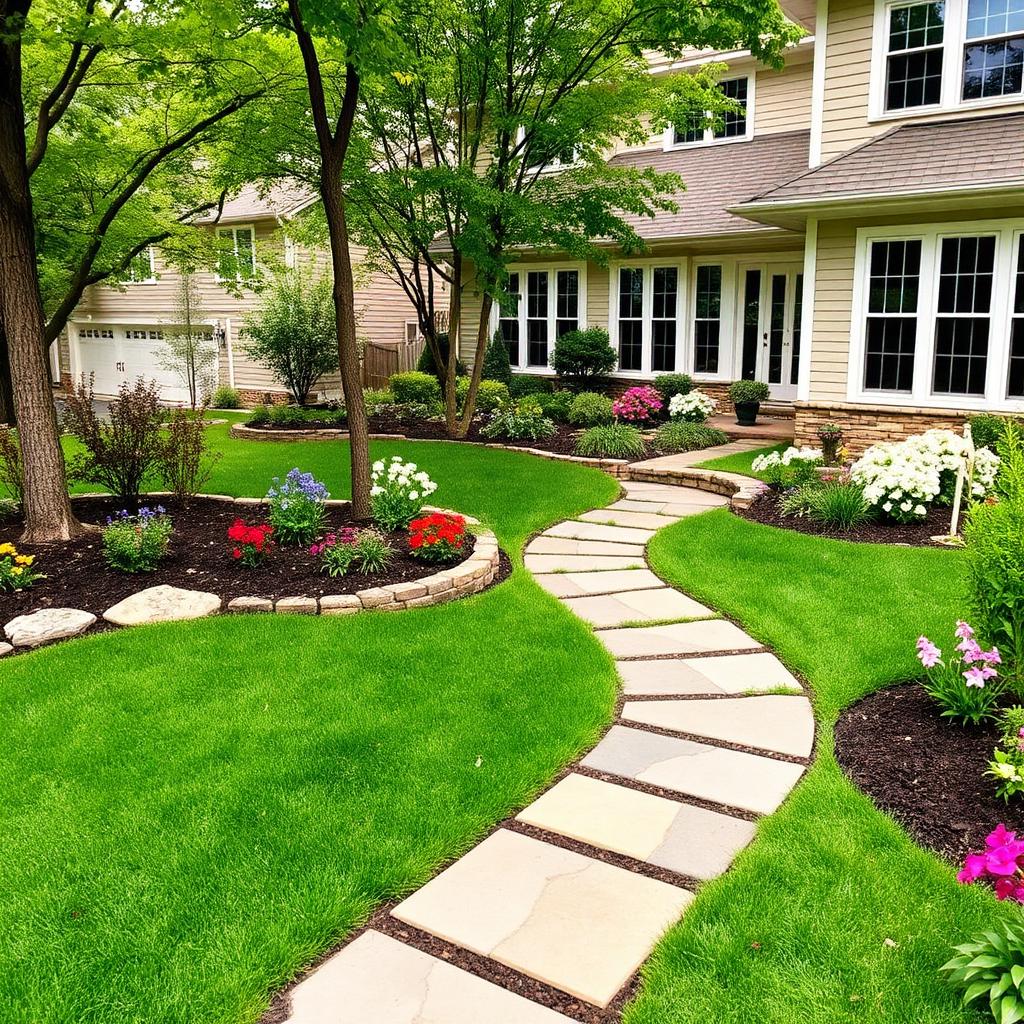
10 Practical Backyard Landscaping Ideas That Can Help Home Value
Ten realistic backyard landscaping projects that can improve curb appeal and how a home presents to buyers, ranked by cost and effort.
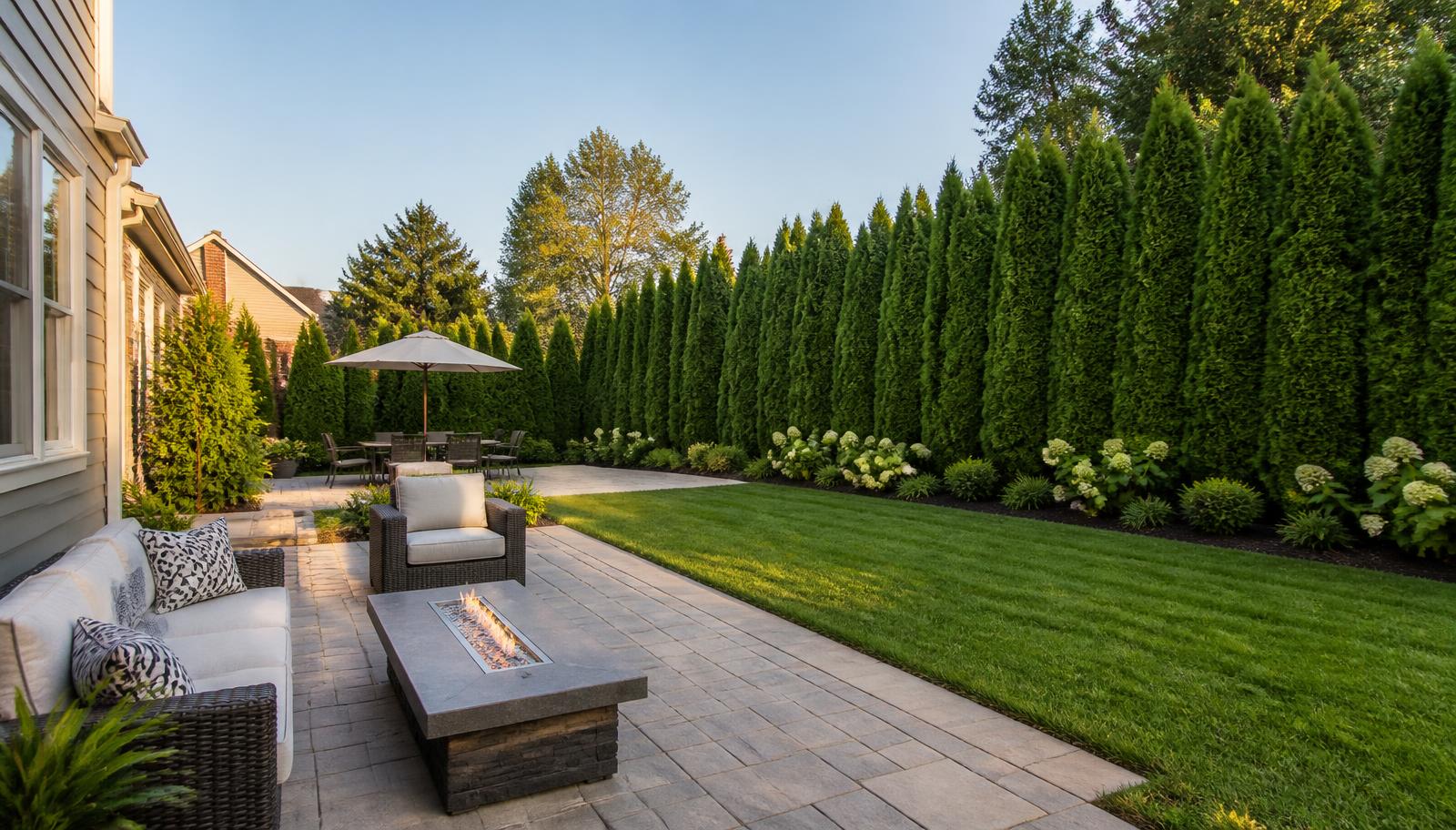
Privacy Hedge Alternatives: Fast-Growing Solutions for Your Backyard
Evergreen shrubs can screen a property line instead of a fence. Here is how four common choices grow, what they need, and what to weigh before planting.
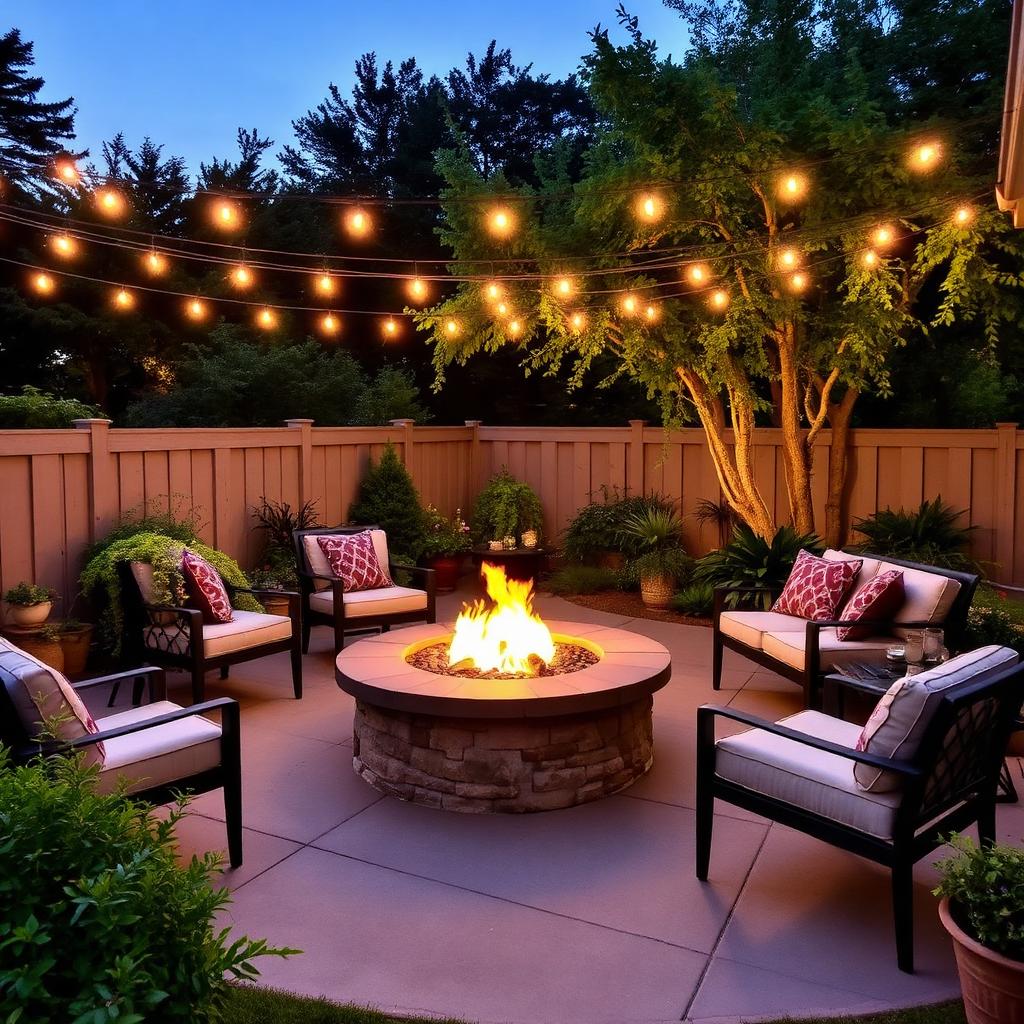
A Homeowner Guide to Creating an Outdoor Living Space
A design-forward, homeowner-friendly playbook for turning a plain yard into an outdoor living space you actually use every week.
30 Backyard Design Ideas for Real Yards and Budgets
Thirty backyard design ideas ranked by cost and effort — featuring planning budgets, maintenance expectations, and spatial requirements.
Fresh home & garden ideas, every Sunday.
Join American homeowners getting practical home & garden advice on gardening, landscaping, and DIY. Free, no spam, unsubscribe anytime.