Winterizing Your Garden and Home Before the First Freeze
One focused weekend of winterizing prevents burst pipes, split shrubs, and cracked hardscape. Here is the sequence recommended for residential properties.
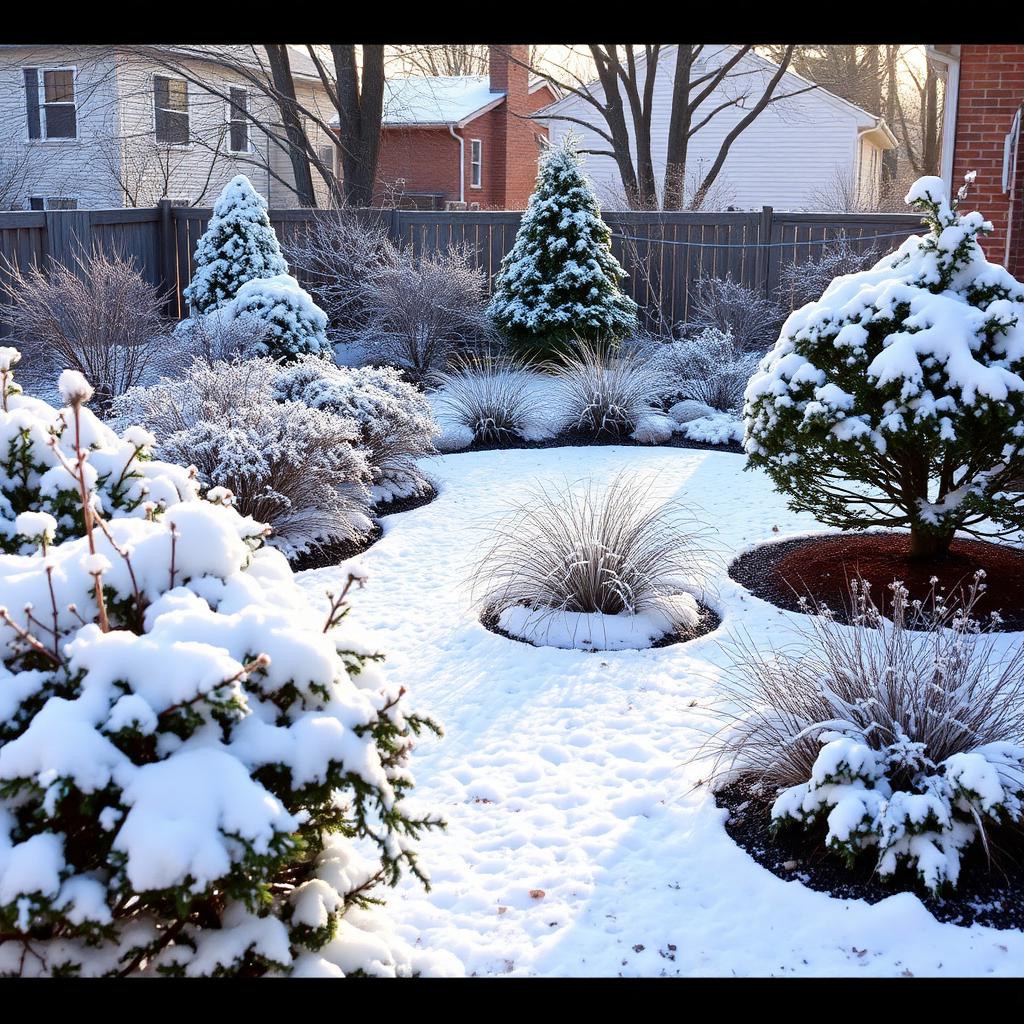
Most winter damage follows a short list of causes: water left in pipes and hose bibs, evergreens going into freeze-up dry, and hardscape joints that were never sealed. Working through the checklist below takes about one Saturday in the Midwest and Northeast, and less in milder zones.
Time it right: begin two weeks before your average first hard freeze. Your local National Weather Service office publishes freeze dates by ZIP code. National Weather Service: Frost/Freeze Dates
Shut Down the Outdoor Water System
Every outdoor water source can freeze and split — hose bibs, irrigation lines, garden fountains, drip zones. The fix is 20 minutes and helps prevent expensive repairs.
Locate the interior shutoff for each exterior spigot, close it, then open the exterior spigot to drain the line. Disconnect and drain hoses. If you have irrigation, blow the lines out with a compressor or have a pro do it. EPA: Winterizing Your Home
- Disconnect and drain all garden hoses
- Close interior valves feeding exterior spigots
- Open exterior spigots to drain remaining water
- Blow out irrigation lines (compressor at 40–80 PSI, zone by zone)
- Empty fountains, bird baths, and rain barrels
Mulch Beds After the Ground Chills
Winter mulch does the opposite job from summer mulch. Instead of keeping soil cool, it keeps soil cold — preventing the freeze-thaw cycles that heave perennials out of the ground.
Wait until nighttime lows are consistently in the 20s, then apply 2 to 3 inches of shredded leaves, straw, or bark mulch over perennial beds and around newly planted trees and shrubs. Pull mulch back a couple of inches from stems and trunks.
Protect Vulnerable Shrubs and Young Trees
Broadleaf evergreens (boxwood, holly, rhododendron) suffer from winter desiccation — the leaves lose moisture on sunny winter days while roots sit in frozen soil unable to replace it. Anti-desiccant spray applied in late fall on a dry day above 40°F helps significantly.
Wrap young tree trunks with tree wrap or white plastic guards to prevent sunscald on the south and southwest sides. Remove wraps in spring to prevent trapping moisture.
- Anti-desiccant spray on broadleaf evergreens
- Burlap windbreaks on the north side of tender evergreens
- Tree wrap on trunks of young thin-barked trees (maple, cherry, fruit trees)
- Rodent guards (¼-inch hardware cloth) around trunks to prevent vole damage
Rose and Hybrid Care
Grafted hybrid tea roses need extra protection in USDA zones 6 and colder. After the first hard freeze, mound 10 to 12 inches of soil, compost, or shredded leaves over the graft union.
Do not prune roses hard in fall — save that for spring. Just cut long canes back to about 30 inches so they do not whip in wind and loosen the root ball.
Final Lawn Steps
Mow the lawn one last time at 2 to 2.5 inches — shorter than your summer height. Long grass mats down under snow and invites snow mold in spring.
Apply a winterizer fertilizer (higher in potassium) 2 to 4 weeks before the ground freezes. For cool-season grasses this feeding matters more than most, since it goes into root reserves rather than blade growth.
Protect Hardscape and Furniture
Seal any cracks in concrete or paver joints before water gets in and freezes; a $10 tube of polymeric sand or crack sealer prevents hundreds of dollars of spalling.
Store or cover outdoor furniture. Ceramic and terracotta pots left outside frequently crack — bring them into a garage or wrap them in bubble wrap and elevate off the ground.
Don't Forget the House
The exterior of the house winterizes at the same time. Insulate exposed pipes in unheated basements and crawl spaces with foam sleeves, seal any gaps where pipes penetrate exterior walls, and know where your main water shutoff is before you need it in a panic.
Reverse ceiling fans, replace furnace filters, and swap smoke detector batteries. Fifteen minutes, real payoff.
Frequently Asked Questions
When should I start winterizing?
Two weeks before your average first hard freeze. Check the National Weather Service frost date for your ZIP code — for most of the northern U.S. this is mid to late October.
Should I water the garden before winter?
Yes — deep-water evergreens, newly planted trees, and shrubs after leaf drop until the ground freezes. Well-hydrated plants handle winter far better than dry ones.
Do I need to cover perennials?
Established perennials in their hardiness zone need only 2–3 inches of mulch. Cover only newly planted, marginally hardy, or crown-tender plants like mums with a deeper layer.
How do I keep outdoor pots from cracking?
Empty them and store upside down in a shed or garage, or wrap ceramic and terracotta pots in bubble wrap and elevate them off the ground. Frost-proof concrete and fiberglass can stay outside.
Conclusion
Winterizing is one of those chores that feels tedious in November and brilliant every February. Spend a Saturday now and your pipes hold, your boxwoods stay green, and your patio joints don't spall. Spring you will thank fall you.
About the author
Outdoor Living & Landscaping Contributor
Adilson covers topics related to gardens and outdoor spaces: planting plans, patios and pathways, drainage and slope, and the advantages and disadvantages of lawn alternatives.
More from Adilson VieiraPublished · Updated
Related articles
Fall Garden Cleanup: What to Cut, Leave, and Compost
A modern, pollinator-friendly approach to fall cleanup that prevents disease, protects overwintering wildlife, and sets next spring up for a strong start.
How to Weatherproof Your Home Before Winter
Sealing leaks and adding insulation before winter reduces heat loss and can lower heating costs, depending on your home's condition and how much of the work you do.
Seasonal Home Maintenance Checklist: What to Check Throughout the Year
Regular maintenance can help identify problems earlier and may reduce the likelihood of unexpected repair costs. This checklist keeps your HVAC, roof, plumbing, and yard in shape.
Fresh home & garden ideas, every Sunday.
Join American homeowners getting practical home & garden advice on gardening, landscaping, and DIY. Free, no spam, unsubscribe anytime.