Fall Garden Cleanup: What to Cut, Leave, and Compost
A modern, pollinator-friendly approach to fall cleanup that prevents disease, protects overwintering wildlife, and sets next spring up for a strong start.
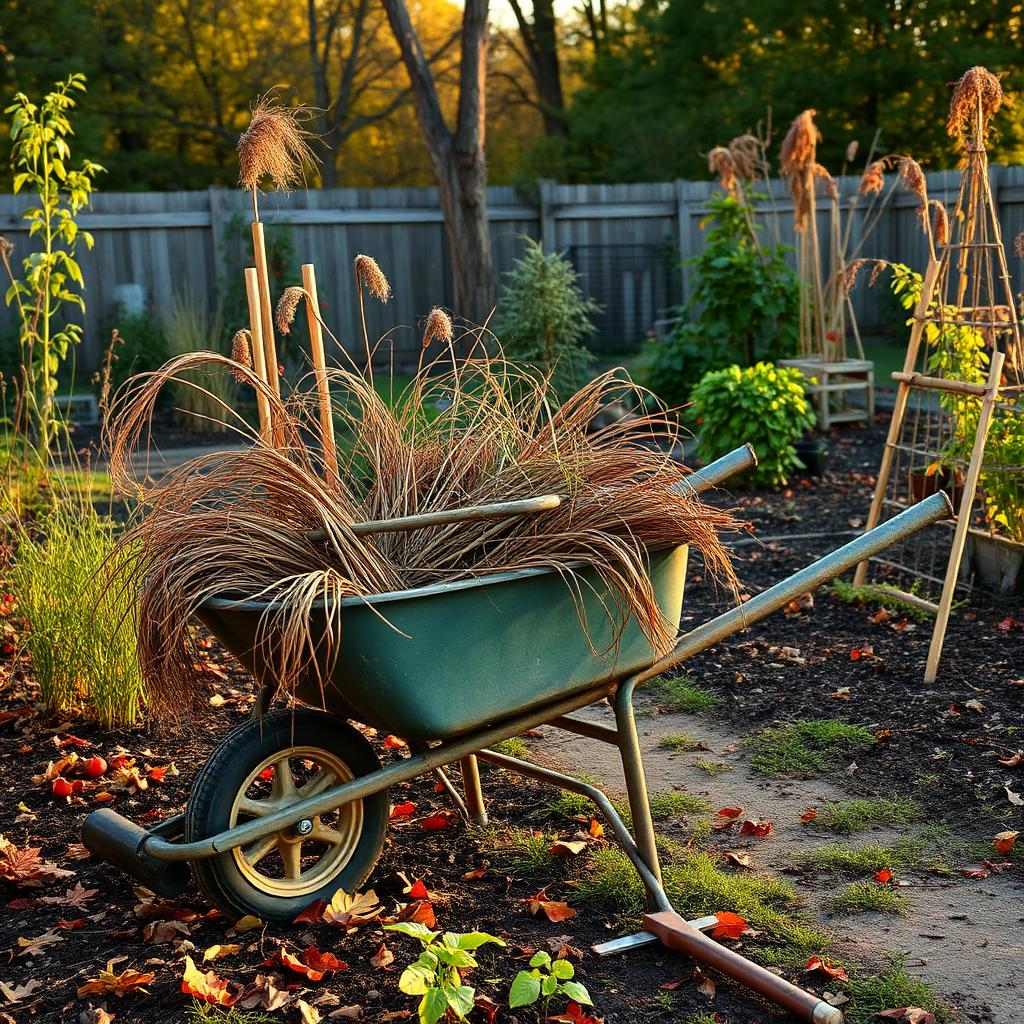
The old advice was to strip the garden bare every autumn. We know better now. Research from the Xerces Society and multiple U.S. land-grant universities shows that a significant percentage of native bees overwinter in hollow stems and leaf litter, and songbirds feed on standing seed heads well into January. Xerces Society: Leave the Leaves
But leaving everything is not the answer either. Diseased foliage, invasive weed seed heads, and pest hosts belong in a bag, not on the bed. This guide sorts fall cleanup into three piles: cut, leave, and compost.
What to Cut Back Now
Anything showing disease this year comes out completely. Powdery mildew on peonies, black spot on roses, blight on tomatoes, and rust on hollyhocks all overwinter in fallen leaves and stem tissue. Cutting and removing (not composting) this material breaks the cycle.
Also cut any perennial that flops onto pathways and any biennial you don't want reseeding aggressively.
- Diseased peony, iris, and hosta foliage
- Tomato, squash, and cucumber vines (bag, don't compost)
- Bearded iris leaves cut to a 6-inch fan
- Bee balm and phlox with visible mildew
- Aggressive self-seeders like verbascum
What to Leave Standing
Leave hollow-stemmed perennials at 12 to 15 inches tall. Native bees, including small carpenter bees and leafcutter bees, use those stems as winter shelter and lay eggs inside. Cut them back in late spring after temperatures are consistently above 50°F.
Leave seed heads that feed birds — coneflower, black-eyed Susan, sedum, ornamental grasses, and native sunflowers. A garden with structure and seed is winter habitat, not neglect.
- Coneflower and rudbeckia seed heads for goldfinches
- Ornamental grasses for winter structure and bird cover
- Sedum 'Autumn Joy' for texture and pollinator stems
- Native asters and goldenrod stems
- A 3-inch layer of leaf litter in and around beds
What to Compost and What to Bag
Healthy plant material becomes free soil amendment. Chop it with a mower or pruners so it breaks down faster, and layer green material with brown (dry leaves, straw, cardboard) at roughly a 1:3 ratio for a hot, active pile.
Diseased material, weeds with mature seed heads, and any plant treated recently with systemic pesticides go to municipal yard waste, not the home compost. Home piles rarely reach the sustained 140°F needed to kill pathogens.
The Best Way to Handle Fallen Leaves
The single best use of fall leaves is to shred them with the mower and leave them on the lawn as mulch. University of Michigan research found that mulched leaves at up to 6 inches deep improve turf density and add measurable organic matter over three years.
Extra leaves become leaf mold — the gardener's black gold. Pile whole leaves in a corner, wait 12 to 18 months, and you have a soft, dark soil amendment that outperforms most bagged products.
Prepping Vegetable and Annual Beds
Empty vegetable beds get a different treatment than perennial borders. Pull spent annuals, spread 2 to 3 inches of compost, and either cover-crop with winter rye or mulch the surface with shredded leaves. Both options feed soil biology through winter.
Avoid the temptation to till. Tillage breaks up the fungal networks that feed next year's plants and exposes weed seeds to the light they need to germinate.
Clean and Store Tools Properly
Every tool that touched soil this year gets cleaned before storage. Scrape with a wire brush, wipe with a rag dipped in linseed oil, and sharpen blades. A $15 file and 10 minutes per tool doubles their working life.
Empty gas from mowers and string trimmers or add fuel stabilizer. Drain hoses and coil them loosely; kinks that set in winter cracks come spring.
Frequently Asked Questions
When is the right time to do fall cleanup?
Wait until after the first hard freeze so pollinators have finished the season, but before snow makes the work miserable. In most of the U.S. that is mid-October to mid-November.
Should I till the vegetable garden in fall?
No. Modern soil science favors no-till: cover with compost and leaf mulch, and let earthworms do the work. Tillage damages soil structure and stimulates weed germination.
Can I compost diseased leaves?
No. Home compost piles rarely reach the 140°F needed to kill fungal spores. Bag diseased material for municipal pickup instead.
How high should I cut perennials in fall?
12 to 15 inches on hollow-stemmed natives to protect overwintering bees, or leave standing until spring. Cut diseased material to the ground.
Conclusion
A thoughtful fall cleanup does less than the old-school 'strip it bare' approach — and produces a healthier garden. Cut what's diseased, leave what feeds wildlife, and compost the rest. Come March you will have fewer pests, more pollinators, and a head start on the season.
About the author
Editorial Contributor
Sarah writes the gardening and houseplant guides here — seasonal tasks, soil and watering, planting ideas, and the ordinary problems that come up between spring and frost.
More from Sarah MitchellPublished · Updated
Related articles
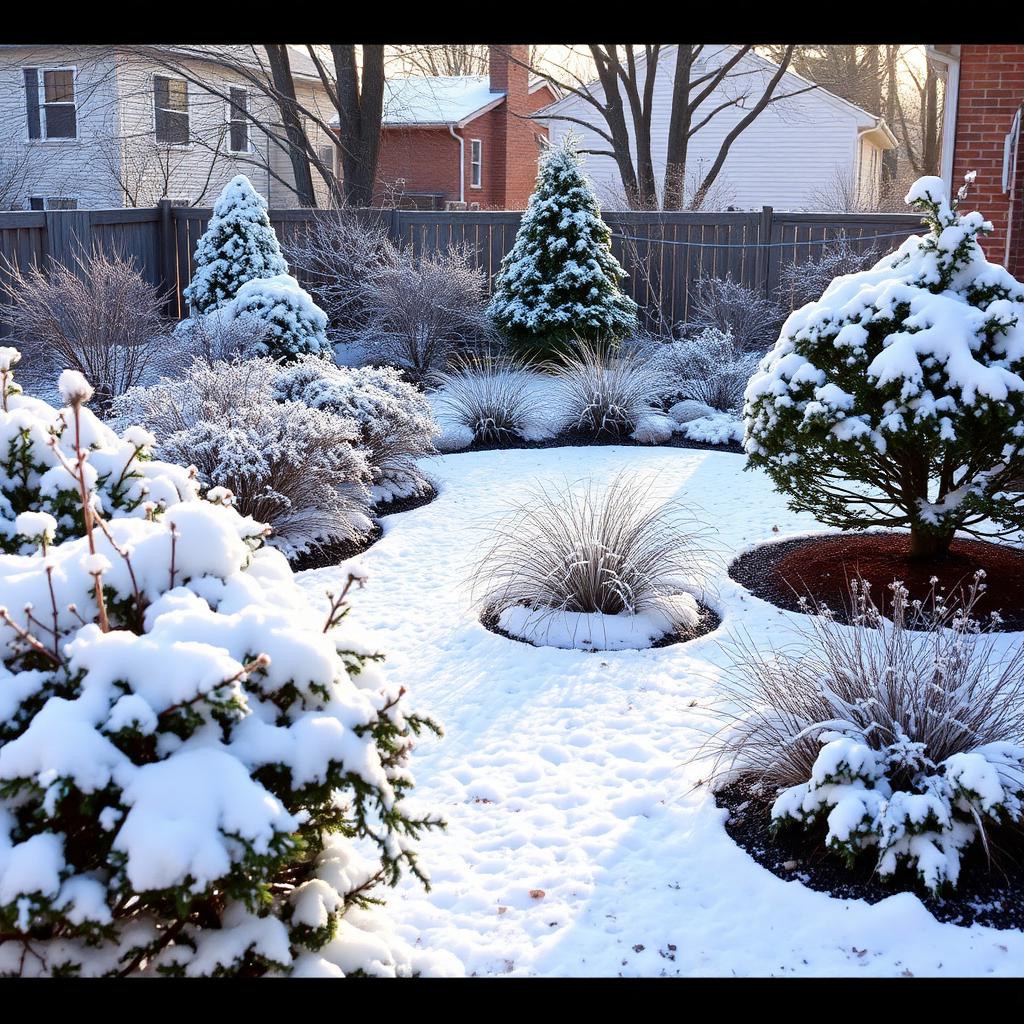
Winterizing Your Garden and Home Before the First Freeze
One focused weekend of winterizing prevents burst pipes, split shrubs, and cracked hardscape. Here is the sequence recommended for residential properties.
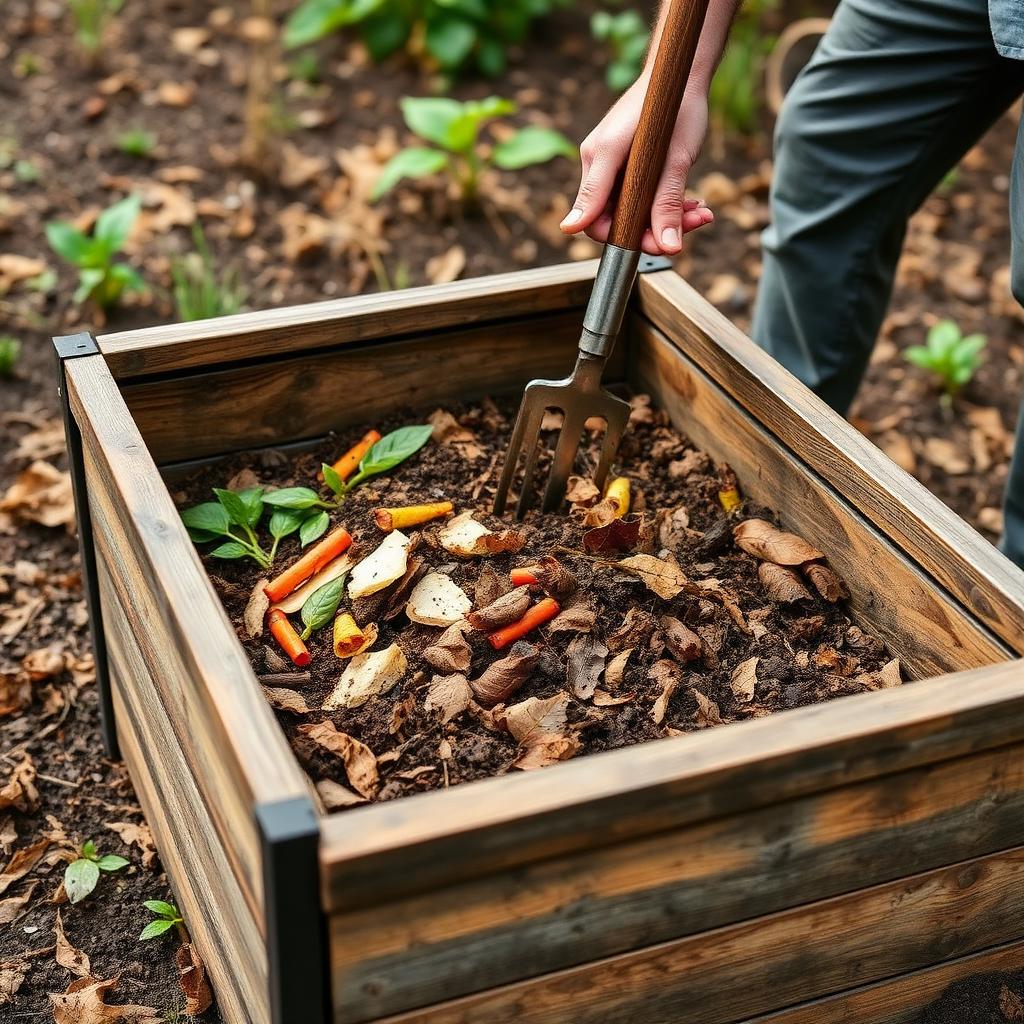
Composting at Home: A Complete Beginner's Guide
Composting turns kitchen scraps and yard waste into the best soil amendment money can't buy. Here is how to start a pile that yields results.
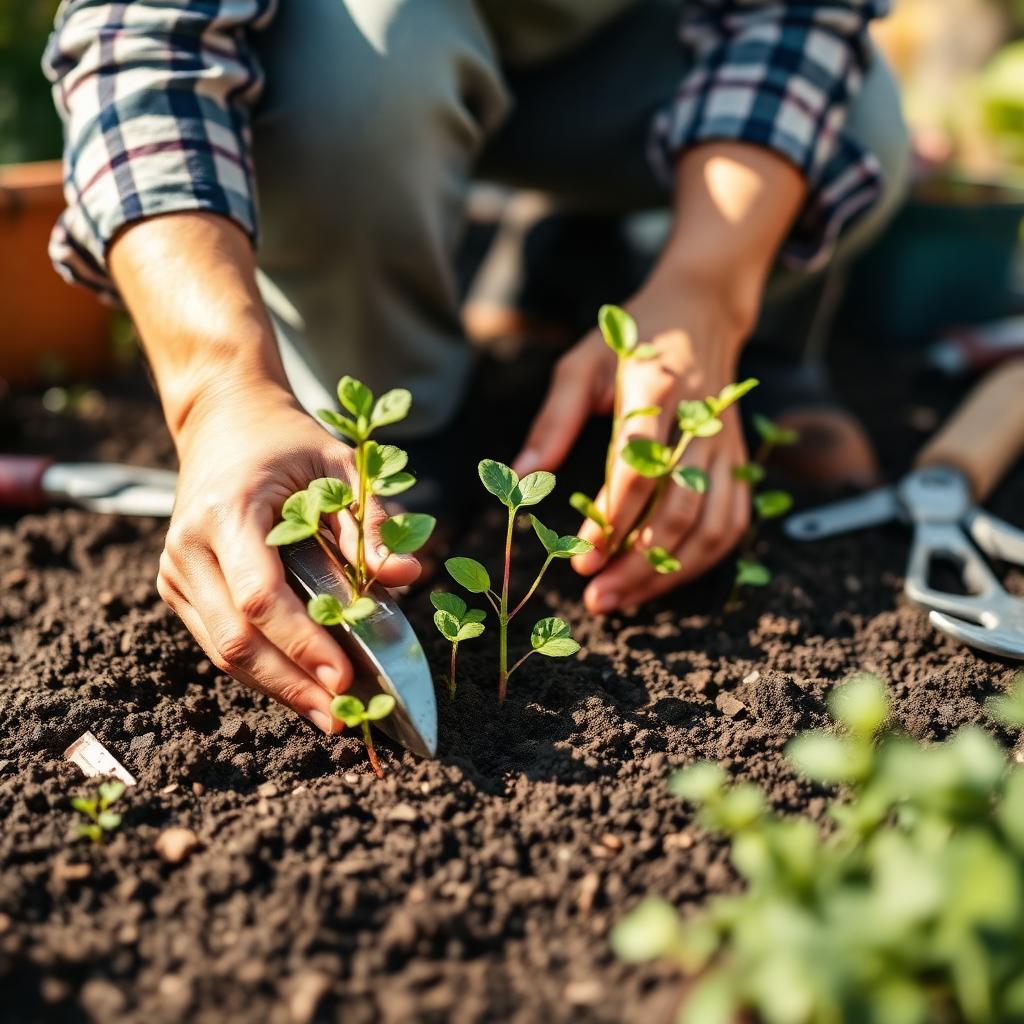
10 Common Gardening Mistakes and How to Avoid Them
Common gardening mistakes that can cause problems each season, and the simple fix for each.
Fresh home & garden ideas, every Sunday.
Join American homeowners getting practical home & garden advice on gardening, landscaping, and DIY. Free, no spam, unsubscribe anytime.