Seasonal Home Maintenance Checklist: What to Check Throughout the Year
Regular maintenance can help identify problems earlier and may reduce the likelihood of unexpected repair costs. This checklist keeps your HVAC, roof, plumbing, and yard in shape.
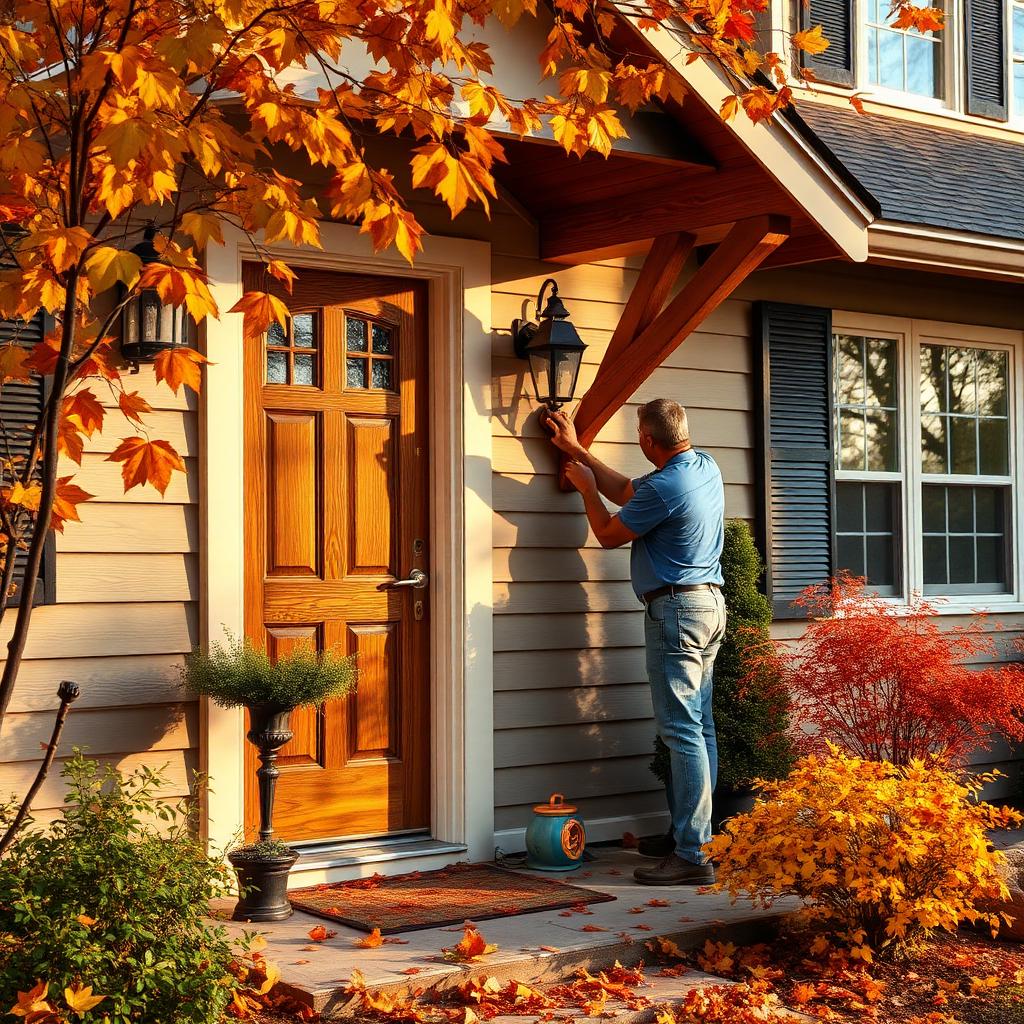
A common budgeting rule of thumb sets aside roughly 1% to 4% of a home's value each year for maintenance and repairs, with older homes at the higher end. Treat it as a planning range rather than a measured figure. Regular seasonal checks help catch problems while they are still small.
The four-season checklist below pulls together the maintenance items that published home-care guidance consistently prioritizes. Print it, tape it inside a cabinet, and work through the items at a comfortable weekend pace.
Spring: Recover From Winter and Prep the Envelope
Spring is when winter damage becomes visible. Walk the perimeter of the house and look for cracked caulk, lifted shingles, and gutter separations before the first big rain. Fixing these now protects the two most expensive systems in the house: the roof and the foundation.
Service the air conditioner before the first heat wave. Replace the filter, clear leaves from the outdoor condenser, and run the system for 15 minutes to confirm it cools. A pre-season tune-up from a licensed HVAC tech often catches capacitor or refrigerant issues before they leave you sweating in July. Energy.gov: Maintaining Your Air Conditioner
- Inspect the roof from the ground with binoculars; note lifted, cracked, or missing shingles
- Clean gutters and downspouts; confirm water drains 4+ feet from the foundation
- Re-caulk exterior windows and door frames where the bead has cracked
- Test smoke and CO detectors; replace batteries
- Service the AC and replace HVAC filters
- Flush the water heater to remove sediment
Summer: Protect What You Use Most
Summer maintenance is about the systems working hardest — cooling, plumbing, and outdoor structures baking in UV. This is also the best window for exterior paint touch-ups because wood is dry and paint cures properly above 50°F.
Check every hose bib and irrigation zone for leaks. A slow drip at an outdoor spigot can waste hundreds of gallons per month and slowly rot the sheathing behind it. Repair or replace the washer immediately.
- Wash windows and screens; repair any torn screen fabric
- Pressure wash the deck and reseal every 2–3 years
- Touch up exterior paint on trim, doors, and railings
- Trim tree branches within 10 feet of the roof
- Inspect and clean the dryer vent duct end to end
- Check the dishwasher and washing machine hoses for bulges or cracks
Fall: Winterize Before the First Freeze
Fall is the most important season for maintenance because most winter emergencies (burst pipes, roof leaks, dead furnaces) trace back to something you could have caught in October. Give yourself two weekends and work through the list top to bottom.
The single highest-leverage task is disconnecting garden hoses and shutting off outdoor water supply lines. A freeze that expands water in a hose can crack the interior valve, and you will not know until spring when water sprays inside a wall.
- Disconnect hoses; shut off and drain exterior spigots
- Have the furnace or boiler serviced by a licensed tech
- Clean gutters after leaves finish dropping (usually early to mid November)
- Reverse ceiling fans to clockwise to push warm air down
- Add or replace weather stripping on doors and window sashes
- Clean the chimney and inspect the flue if you burn wood
Winter: Monitor, Don't Ignore
Winter tasks are lighter and mostly about paying attention. Walk the basement or crawlspace once a month with a flashlight and look for damp spots, frost on pipes, or new cracks in foundation walls. Early detection turns a small fix into a small fix instead of a major repair. EPA: Winterizing Your Home
Watch for ice dams at the roof edge after heavy snow. Streaks of ice hanging past the gutter mean warm attic air is melting snow that refreezes at the eave; long-term the fix is more attic insulation and better soffit ventilation, but in the moment you can rake snow off the lowest three feet of roof with a roof rake.
- Check the basement or crawlspace monthly for leaks and pests
- Test the sump pump by pouring a bucket of water into the pit
- Keep gutters and downspouts clear of ice and debris
- Watch for ice dams; rake heavy snow from the eave
- Replace HVAC filters every 60–90 days
- Refill water softener salt and check humidifier pads
Every Month: The 15-Minute Walkthrough
Once a month, walk the entire house with a notebook. Open every faucet briefly, flush every toilet, look under every sink for drips, and check the ceiling under every bathroom for stains. This 15-minute habit is the single highest-return maintenance practice for the average homeowner.
Test GFCI outlets in the kitchen, bathrooms, garage, and exterior by pressing the TEST button; a working outlet trips immediately. Any outlet that does not trip needs to be replaced before it stops protecting the circuit.
Once a Year: The Big Four
Four checks belong on an annual reminder no matter the season. Together they cover the systems most likely to cause a five-figure claim: roof, HVAC, plumbing supply, and sewer main.
Roof inspection, HVAC tune-up, main water shutoff exercise, and sewer line camera scope every 3 to 5 years. Budget $400 to $700 combined; skipping them can cost $10,000 or more.
Sources & References
• EPA: Winter Energy Saving Tips and Home Winterization
• Energy.gov: Common Seasonal Home Maintenance Tasks
• Insurance Institute for Business & Home Safety: Winter Home Maintenance Guide
Frequently Asked Questions
How much should I budget for home maintenance every year?
Plan for 1% to 4% of your home's value annually. On a $400,000 home, that is $4,000 to $16,000 depending on the home's age and condition. Older homes trend toward the high end.
What is the most-skipped maintenance task?
Flushing the water heater. Sediment buildup cuts efficiency and shortens tank life from 12 years to as little as 6 years. It takes 30 minutes and one garden hose.
Should I hire a handyman or do it myself?
DIY the visual inspections, filter changes, caulking, and gutter cleaning. Hire licensed pros for HVAC, gas, electrical panel work, and any roof work above one story.
When should I have my roof inspected?
Once a year in the spring, plus after any hailstorm or windstorm with sustained gusts above 50 mph. Most reputable roofers offer free inspections.
Conclusion
Working through this checklist takes roughly 20 hours a year, spread across four weekends. That is far less time than chasing a repair that started as a clogged gutter or a cracked caulk line. Print it, put the four weekends on your calendar, and stop relying on memory.
About the author
DIY & Home Maintenance Contributor
Emily writes the weekend build and upkeep pieces — cut lists, tools, what a project actually costs, and where a job is better handed to a licensed trade.
More from Emily CarterPublished · Updated
Related articles
How to Weatherproof Your Home Before Winter
Sealing leaks and adding insulation before winter reduces heat loss and can lower heating costs, depending on your home's condition and how much of the work you do.
Spring Lawn Care Checklist for a Healthy Yard
The eight-step spring lawn care routine for a thicker, healthier lawn by early summer.

A Homeowner Guide to Creating an Outdoor Living Space
A design-forward, homeowner-friendly playbook for turning a plain yard into an outdoor living space you actually use every week.
Fresh home & garden ideas, every Sunday.
Join American homeowners getting practical home & garden advice on gardening, landscaping, and DIY. Free, no spam, unsubscribe anytime.