How to Overseed Your Lawn in Fall for a Thicker, Greener Yard
Fall is the best time to overseed a cool-season lawn. Follow this sequence and thin spots fill in, weeds get crowded out, and next spring's yard looks brand new.
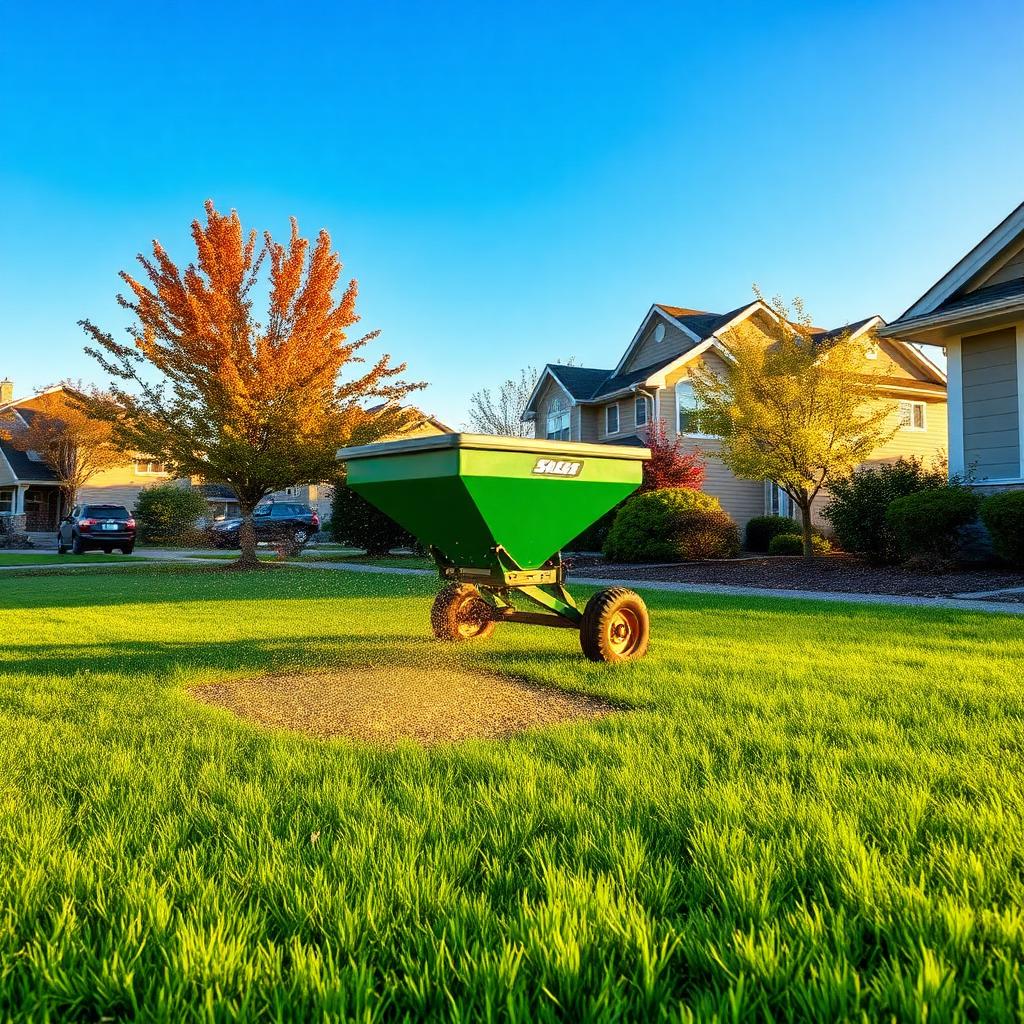
If your lawn thinned out over a hot summer, fall is the moment to fix it. Cool nights, warm soil, and shorter days create ideal germination conditions for cool-season grasses — fescue, ryegrass, and Kentucky bluegrass all root faster in September than they do in April. University of Massachusetts Extension: Overseeding Lawns
Overseeding done right thickens the turf, crowds out weeds, and reduces water use next season. Done wrong, most of the seed feeds birds and washes into the storm drain. This guide covers the steps for a successful fall lawn renovation.
The Right Timing Window
Overseed when daytime highs are consistently in the 60s and 70s and nighttime lows stay above 45°F. In most of the northern U.S. that means late August through mid October. Warm-season lawns (bermuda, zoysia) overseed with cool-season ryegrass in October for winter color; the process is slightly different — this guide focuses on cool-season lawns.
Seed at least 45 days before the average first hard freeze so seedlings can establish a root system.
Prep the Lawn First
Mow shorter than usual — down to about 1.5 to 2 inches — so seed can reach the soil. Bag the clippings.
Then dethatch if the thatch layer is more than half an inch, and core-aerate if the soil is compacted (test by pushing a screwdriver in — hard = compact). Both open the soil so seed makes contact and roots can penetrate.
- Mow to 1.5–2 inches and bag clippings
- Rake or dethatch to expose soil
- Core aerate if soil is compacted
- Topdress thin spots with a thin layer of screened compost
Choose the Right Seed
Match the seed to your existing lawn and light. Tall fescue is the workhorse for most of the transition zone and full-sun to part-shade lawns. Perennial ryegrass germinates fastest (5 to 10 days). Kentucky bluegrass takes longer (14 to 21 days) but spreads by rhizomes into a dense turf.
Buy a name-brand blend rated for your region and choose 'certified' seed for lower weed contamination. Cheap discount seed often contains annual ryegrass and weed seed that undo the whole project.
Application Rate and Method
For overseeding an existing lawn: 4 to 6 pounds of tall fescue per 1,000 square feet, 2 to 4 pounds of Kentucky bluegrass, or 6 to 8 pounds of perennial ryegrass. Double these rates only for bare-soil renovation.
Use a broadcast spreader for large lawns, a drop spreader for small or precise areas. Split the total amount in half and go over the lawn twice in perpendicular directions for even coverage.
Watering: The Make-or-Break Step
The top half inch of soil must stay consistently moist for 2 to 3 weeks or the seedlings die. In practice that usually means light watering twice a day (morning and midday) for 5 to 10 minutes each until germination, then tapering to deeper, less frequent watering.
Watering is where most overseeding fails. If you cannot commit to consistent watering, wait for a wet forecast or hire someone. There is no shortcut.
Fertilizer and Starter Nutrients
Apply a starter fertilizer with phosphorus (the middle number, e.g., 18-24-12) at the time of seeding. Phosphorus supports root establishment. Some states restrict phosphorus on established lawns; new seedings are usually exempt but check local rules.
Skip weed-and-feed products for at least 8 weeks; most pre-emergent and post-emergent herbicides kill germinating grass seed too.
First 6 Weeks of Aftercare
Do not mow until new grass is at least 3 inches tall, then remove only the top third with a sharp blade. Stay off the lawn as much as possible; foot traffic compacts soil and damages seedlings.
Six weeks after germination, apply a fall winterizer high in potassium to build root reserves. Come spring, the overseeded lawn will green up earlier and thicker than the surrounding turf.
Sources & References
• University of Illinois Extension: Fall Lawn Care - Overseeding and Fertilizing
• UMass Extension: Overseeding Home Lawns
• University of Minnesota Extension: Fall Lawn Care Tasks
Frequently Asked Questions
Can I walk on the lawn after overseeding?
Minimize traffic for 4 to 6 weeks. Foot traffic dislodges seed, damages seedlings, and compacts wet soil.
Should I put topsoil over the seed?
A very light dusting (1/8 inch) of screened compost helps retain moisture. Anything thicker smothers the seed and kills germination.
Can I overseed in spring instead?
You can, but results are worse. Spring seed competes with crabgrass, faces summer heat before roots establish, and cannot receive pre-emergent herbicides. Fall is always the better window for cool-season grasses.
How long until It is observed results?
Perennial ryegrass germinates in 5 to 10 days, tall fescue in 10 to 14, Kentucky bluegrass in 14 to 21. Expect visible thickening in 4 to 6 weeks and full establishment by the following spring.
Conclusion
Four things decide whether overseeding works: soil prep, certified seed, the right rate, and keeping the top half inch of soil moist for three weeks. The moisture window is where most people lose the seeding, so plan for it before you spread anything.
About the author
Outdoor Living & Landscaping Contributor
Adilson covers topics related to gardens and outdoor spaces: planting plans, patios and pathways, drainage and slope, and the advantages and disadvantages of lawn alternatives.
More from Adilson VieiraPublished · Updated
Related articles
Spring Lawn Care Checklist for a Healthy Yard
The eight-step spring lawn care routine for a thicker, healthier lawn by early summer.

10 Common Gardening Mistakes and How to Avoid Them
Common gardening mistakes that can cause problems each season, and the simple fix for each.
Seasonal Home Maintenance Checklist: What to Check Throughout the Year
Regular maintenance can help identify problems earlier and may reduce the likelihood of unexpected repair costs. This checklist keeps your HVAC, roof, plumbing, and yard in shape.
Fresh home & garden ideas, every Sunday.
Join American homeowners getting practical home & garden advice on gardening, landscaping, and DIY. Free, no spam, unsubscribe anytime.