The $50 Privacy Fence Alternative American Homeowners Are Planting This Season
Wooden privacy fences can cost upwards of $4,000 to $10,000 to install in the US. Discover how smart homeowners are using fast-growing native green hedges to build natural 8-foot privacy walls for under $50 per plant.
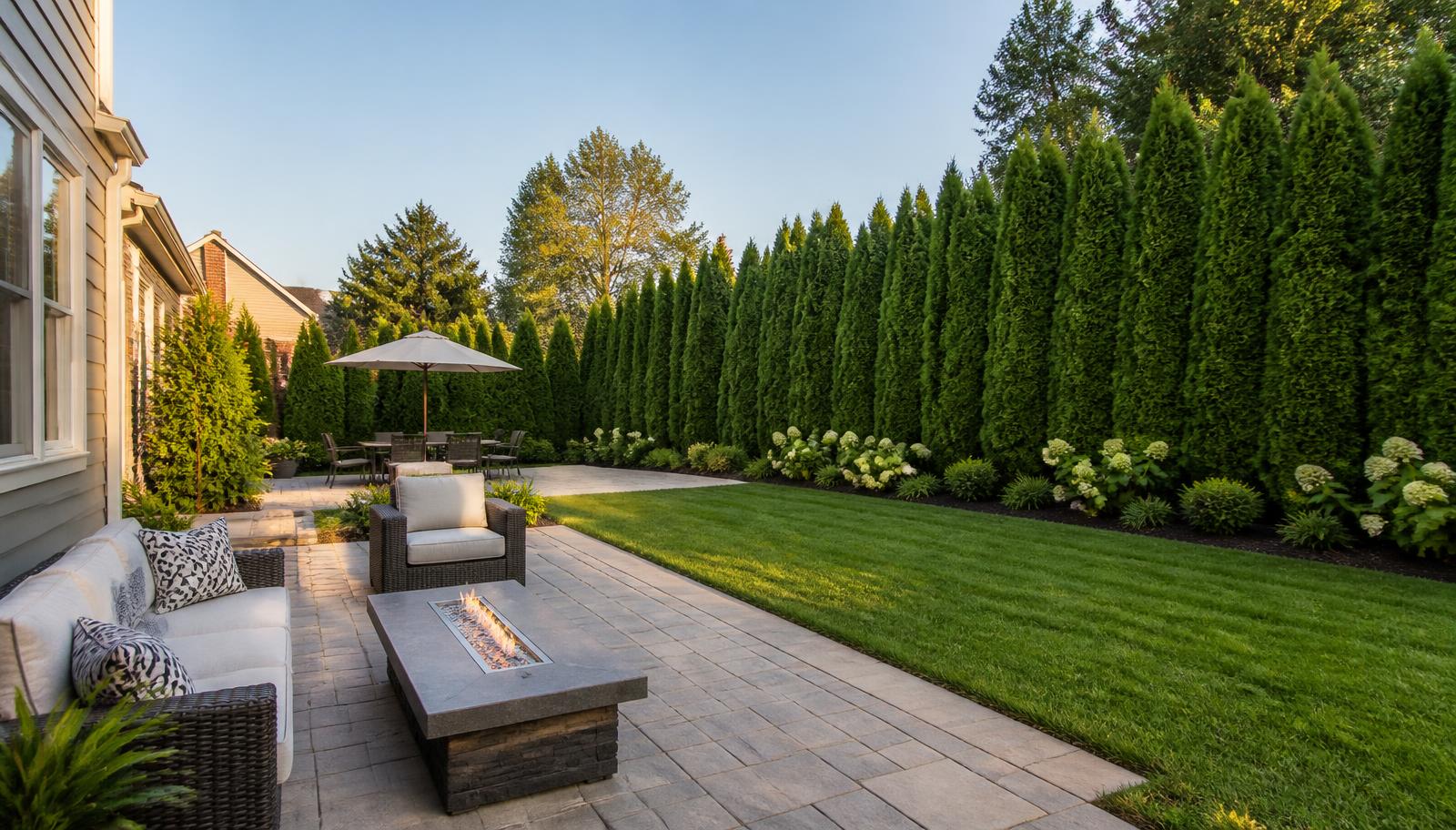
With lumber prices fluctuating and professional installation labor costs skyrocketing across North America, building a standard 6-foot wooden or vinyl privacy fence can easily set you back $4,000 to $10,000. For many suburban homeowners, creating a private outdoor sanctuary feels financially out of reach.
Enter the living privacy wall. By selecting fast-growing, low-maintenance evergreen shrubs, US homeowners are building thick, sound-dampening 8-foot living fences for a fraction of the price. Here are the top four high-impact privacy plants that grow rapidly, boost curb appeal, and cost as little as $50 per shrub.
1. Thuja 'Green Giant' (Arborvitae): The 3-Foot-per-Year Record Breaker
If you need tall privacy fast, Green Giant Arborvitae is the gold standard for American yards.
- Growth Rate: 3 to 5 feet per year under proper sunlight and watering.
- Mature Height: 30 to 40 feet (can be pruned to stay around 10 to 12 feet).
- Average Cost: $35 to $60 for a 3-gallon pot.
- Why Homeowners Love It: It resists deer, handles cold winter winds (USDA Zones 5 to 9), and maintains a deep green color year-round without shedding leaves.
2. 'Emerald Green' Thuja: Ideal for Small Suburban Lots
For tight spaces where a massive tree would swallow the yard, Emerald Green Arborvitae offers a dense, narrow columnar shape.
- Growth Rate: 1 to 2 feet per year.
- Mature Height: 10 to 15 feet tall and only 3 to 4 feet wide.
- Average Cost: $25 to $45 per plant.
- Best Used For: Boundary lines along tight side yards, patio screens, or framing pool areas without encroachment issues.
3. Clumping Bamboo (Fargesia): Exotic, Thick, and Non-Invasive
Warning: never plant running bamboo, as it spreads uncontrollably. Clumping bamboo, however, grows in neat, tight clusters that create an instant tropical privacy screen.
- Growth Rate: 2 to 3 feet per season.
- Mature Height: 8 to 12 feet.
- Average Cost: $40 to $70.
- Key Benefit: Highly effective at dampening traffic noise from nearby streets while adding a modern, luxury resort vibe to suburban backyards.
4. Skip Laurel (Prunus laurocerasus): Lush Broadleaf Evergreen Privacy
For homeowners who prefer shiny, broad green leaves over needle evergreens, Skip Laurel creates a dense hedge that blocks light, noise, and wind.
- Growth Rate: 2 feet per year.
- Mature Height: 10 to 12 feet tall and 5 to 7 feet wide.
- Average Cost: $45 to $65.
- Key Benefit: Extremely shade-tolerant, making it perfect for shaded property boundaries under existing tall oak or maple trees.
Cost Comparison: Wood Fence vs. Living Hedge
Priced across 100 linear feet of property line, the gap between a built fence and a living hedge is dramatic — and the hedge keeps improving with age.
| Option | Installed Cost | Lifetime |
|---|---|---|
| Wooden privacy fence | $3,500 to $7,000 (materials + labor) | 15 to 20 years before rotting |
| Living privacy hedge | $600 to $1,200 (15 to 20 plants at $40 to $60 each) | 50+ years of natural beauty |
Frequently Asked Questions
What is the fastest growing privacy hedge in the US?
Thuja 'Green Giant' arborvitae is the fastest reliable choice, adding 3 to 5 feet per year in full sun with regular watering. Most homeowners see usable screening in two to three seasons.
How far apart should I plant privacy shrubs?
Space Green Giant arborvitae 5 to 6 feet apart, Emerald Green 3 feet apart, and Skip Laurel 4 to 5 feet apart. Closer spacing fills in faster but increases disease pressure and long-term crowding.
How far from the property line should a hedge go?
Plant at least 3 feet inside your boundary so mature growth and roots stay on your side. Many municipalities and HOAs also enforce setback rules for plantings near sidewalks and alleys.
Do living hedges really block noise?
A dense evergreen hedge will not soundproof a yard, but a thick 8-foot screen noticeably softens traffic and neighbor noise while blocking the visual source, which makes the space feel much quieter.
Is a hedge cheaper than a fence long term?
Yes. A hedge costs roughly one-fifth of an installed wood fence up front, and it appreciates instead of rotting. Budget for annual pruning and seasonal watering during establishment.
Conclusion
While a wooden fence begins deteriorating the day it is installed, a healthy living privacy hedge gets thicker, taller, and more valuable every single year. Planting this weekend is one of the smartest high-ROI home improvements you can make.
About the author
Contributor
David has over a decade of experience in residential yard maintenance and garden planning. He specializes in low-maintenance planting plans that add lasting value.
More from David NguyenPublished · Updated
Related articles
5 Innocent Garden Hacks That Are Actually Illegal in Most US Suburbs
Think your backyard is your personal kingdom? Collecting rainwater, building certain fences, or planting invasive hedges could lead to thousands in fines from your city or HOA. Here is what to watch out for—and how to fix it legally.
10 Easy Backyard Landscaping Ideas That Increase Home Value
Ten realistic backyard landscaping projects proven to raise curb appeal and resale value, ranked by cost and effort.
Small Backyard Design Ideas for Modern Homes
How to make a small backyard feel intentional, spacious, and modern with the design moves professional landscapers use most.
Fresh home & garden ideas, every Sunday.
Join American homeowners getting practical, research-informed advice on gardening, landscaping, and DIY. Free, no spam, unsubscribe anytime.