Composting at Home: A Complete Beginner's Guide
Composting turns kitchen scraps and yard waste into the best soil amendment money can't buy. Here is how to start a pile that yields results.
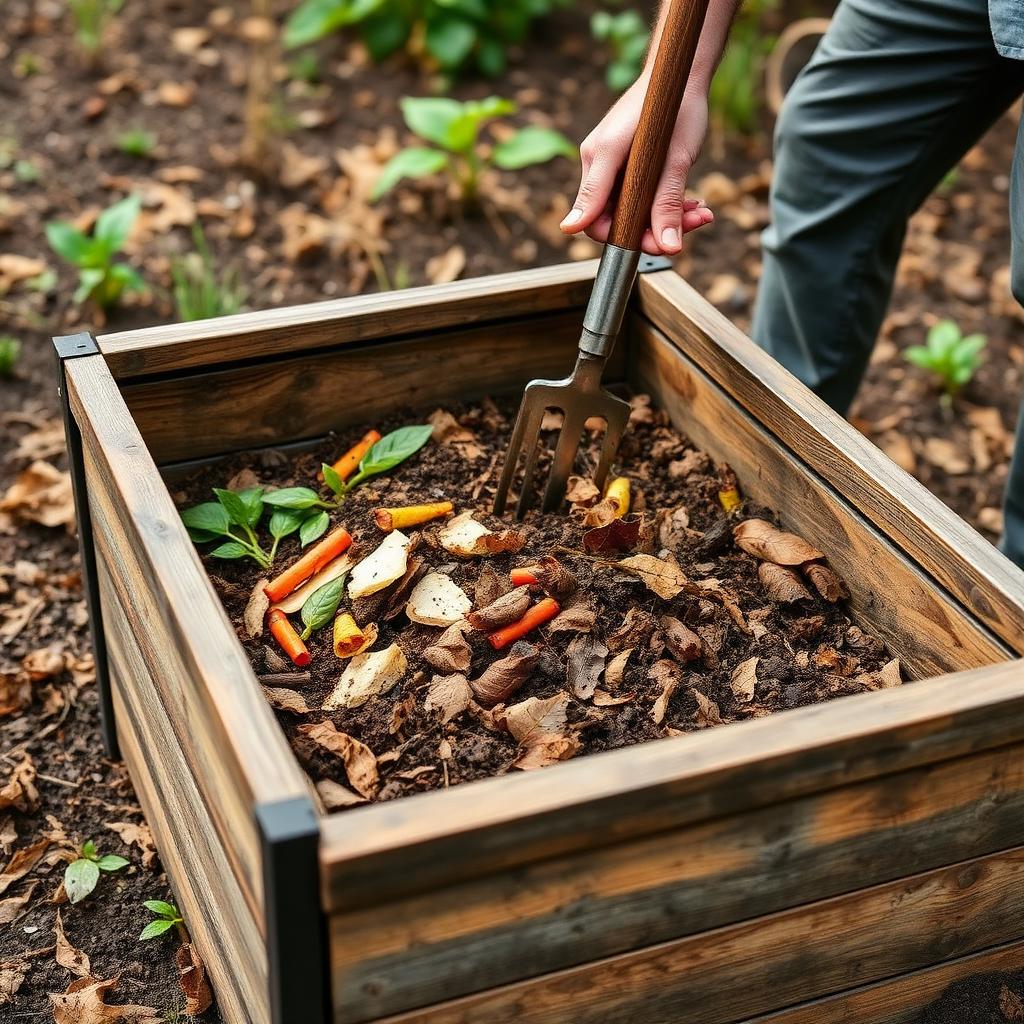
Composting is the closest thing gardeners have to alchemy: banana peels, coffee grounds, and fall leaves become the dark, crumbly, sweet-smelling material that grows better tomatoes than anything you can buy in a bag. Home composting also keeps a significant portion of household waste out of landfills, where organic matter breaks down anaerobically and releases methane. EPA: Composting at Home
The confusing part is that beginners are handed 12 conflicting methods on day one. This guide covers one method that works in any climate, in any yard, with any level of enthusiasm.
The Science of Composting
A compost pile is a controlled microbial party. Bacteria, fungi, and invertebrates break down organic matter into humus. They need four things to work fast: carbon, nitrogen, moisture, and air. Get those roughly balanced and you have compost in 3 to 6 months. Get them badly wrong and you have a slimy stinking mess or a bone-dry pile that does nothing for two years.
Everything below is about getting those four things right without turning it into a science project.
The Greens and Browns Rule
Aim for roughly 3 parts brown (carbon) to 1 part green (nitrogen) by volume. Greens are wet and fresh: kitchen scraps, grass clippings, coffee grounds, plant trimmings. Browns are dry and woody: fall leaves, straw, cardboard, sawdust, shredded paper.
The most common beginner mistake is too many greens. If your pile smells like ammonia or rotting garbage, add browns and mix. If your pile is doing absolutely nothing after two months, add greens and water.
- Greens (add): fruit and vegetable scraps, coffee grounds and filters, grass clippings, eggshells, plant trimmings
- Browns (add): dry leaves, straw, cardboard, shredded newspaper, sawdust from untreated wood
- Skip: meat, dairy, oily food, pet waste, diseased plants, black walnut leaves, glossy paper
Choosing a Bin (or Not)
You do not need a fancy bin. An open pile in a back corner works fine if you have the space. Bins mostly help contain material, keep animals out, and make the yard look tidier.
Three good options: a $30 wire bin from the hardware store, a $150 rotating tumbler for small yards, or a homemade 3-bin pallet system for serious gardeners who produce a lot of material.
Building the Pile
Start with a 4-to-6-inch base of coarse browns (small sticks, dry stalks) for airflow at the bottom. Then alternate 3-to-4-inch layers of browns and 1-to-2-inch layers of greens. Water each brown layer to the dampness of a wrung-out sponge.
A pile smaller than 3 feet in each dimension does not hold heat well and will decompose slowly. A pile much larger than 5 feet in each dimension gets hard to turn and can compact anaerobically. 3x3x3 to 4x4x4 feet is the sweet spot.
Turning and Watering
Turning aerates the pile and speeds decomposition. A well-managed hot pile gets turned every 7 to 10 days; a lazy cold pile can be turned once a season. Both eventually make compost — hot is just faster.
Moisture matters more than most people realize. Squeeze a handful: if water drips out, add browns. If it feels crunchy dry, water it. In summer, uncovered piles often need weekly water in dry regions.
Troubleshooting Common Problems
Smells like rot or ammonia? Too wet or too much green. Add browns and mix. Not decomposing at all? Too dry or too much brown. Add greens and water. Attracting pests? Bury food scraps 6 inches deep in the pile and stop adding meat, dairy, or oil.
Flies and gnats are normal but should not dominate. A layer of browns on top after every deposit keeps them minimal.
When and How to Use Finished Compost
Finished compost is dark, crumbly, sweet-smelling, and unrecognizable as its original ingredients. It should not have visible eggshells, orange peels, or leaf pieces (small twigs are fine and can be sifted out).
Use it as a 1-inch topdress on vegetable beds each spring, work 2 inches into new planting beds, blend 1 part compost to 2 parts topsoil for containers, or brew it into compost tea for foliar feeding.
Frequently Asked Questions
How long does it take to make compost?
3 to 6 months for an actively managed hot pile; 12 to 18 months for a passive cold pile. Both make excellent compost.
Can I compost in winter?
Yes. The pile slows or freezes but resumes in spring. Keep adding materials layered with browns; the frozen material composts once things thaw.
Do I need to add worms?
No. Earthworms migrate to backyard piles on their own. If you want a countertop system, that is vermicomposting with red wiggler worms — a different setup.
Why does my compost smell bad?
Too much nitrogen (greens) or too much moisture, which creates anaerobic conditions. Add browns, mix thoroughly, and cover the top with a layer of dry leaves.
Conclusion
Start with a corner of the yard and roughly 3 parts brown material to 1 part green. Turn it when you remember to, keep it about as damp as a wrung-out sponge, and you should have finished compost by the end of next season — along with a smaller trash can and fewer bags of soil amendment to buy.
About the author
Editorial Contributor
Sarah writes the gardening and houseplant guides here — seasonal tasks, soil and watering, planting ideas, and the ordinary problems that come up between spring and frost.
More from Sarah MitchellPublished · Updated
Related articles
How to Start a Vegetable Garden: A Practical Beginner's Guide
Everything a first-year gardener actually needs to know to grow real food this season, without the overwhelm.
How to Choose Mulch for Flower Beds and Gardens
Which mulch to use where, how much to apply, and the common mistakes that starve or drown plants.
Fall Garden Cleanup: What to Cut, Leave, and Compost
A modern, pollinator-friendly approach to fall cleanup that prevents disease, protects overwintering wildlife, and sets next spring up for a strong start.
Fresh home & garden ideas, every Sunday.
Join American homeowners getting practical home & garden advice on gardening, landscaping, and DIY. Free, no spam, unsubscribe anytime.