Efficient Lawn Watering: Practical Home & Garden Guidance
How to figure out how much water your lawn needs, when to run sprinklers, and how deep, infrequent watering encourages deeper roots.
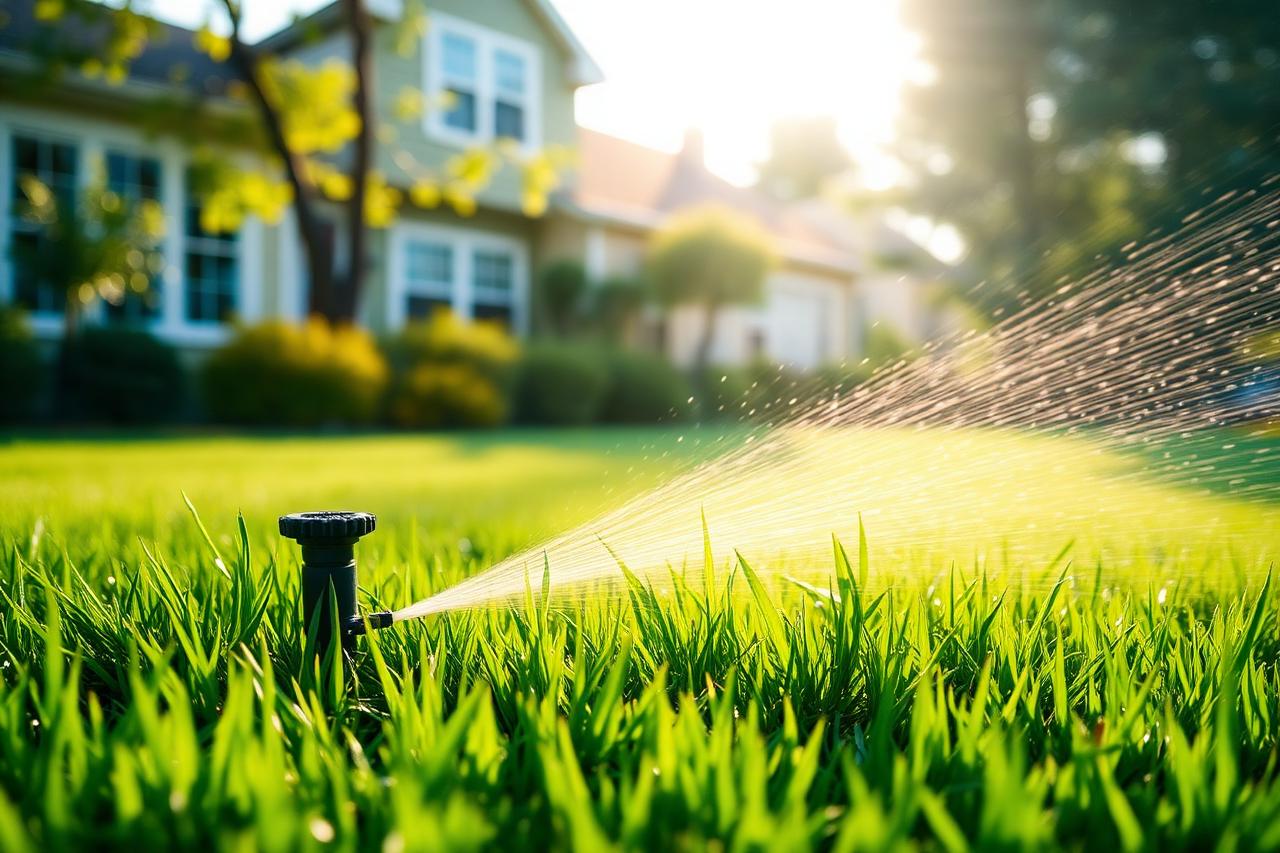
Frequent, daily light sprinkling is by far the most common lawn-watering habit—and also the least effective. Short, daily bursts only dampen the very top inch of soil, training grass roots to stay shallow and leaving your turf completely vulnerable during the first prolonged heat wave.
Switching to a deep-and-infrequent watering schedule encourages roots to grow deeper into the soil, which can improve drought tolerance. How much water you save depends on your climate, soil, grass type, and previous schedule, so treat lower water use as a likely reduction rather than a fixed result.
How Much Water a Lawn Actually Needs
The golden baseline across most regions is one to one and a half inches of total water per week—including natural rainfall—applied in just one or two robust soaking sessions instead of daily sprinkles. This volume is necessary to wet the soil roughly six inches deep, which is precisely where you want your root system living.
Specific grass types and local climates shift these numbers slightly. Cool-season grasses like Kentucky bluegrass, tall fescue, and perennial ryegrass demand the full inch and a half during peak summer heat, needing much less during spring and autumn. Warm-season grasses like Bermuda, Zoysia, and St. Augustine are far more drought-efficient and typically thrive on three-quarters of an inch.
| Grass type | Spring | Summer peak | Fall |
|---|---|---|---|
| Kentucky bluegrass | 1 in. | 1.5–2 in. | 1 in. |
| Tall fescue | 0.75 in. | 1.25–1.5 in. | 0.75 in. |
| Perennial ryegrass | 1 in. | 1.5 in. | 1 in. |
| Bermuda | 0.5 in. | 1–1.25 in. | 0.5 in. |
| Zoysia | 0.5 in. | 0.75–1 in. | 0.5 in. |
| St. Augustine | 0.75 in. | 1–1.5 in. | 0.75 in. |
The Tuna-Can Test: Measure Once, Water Right Forever
Hardly anyone truly knows how much water their sprinkler system distributes until they measure it, as output varies drastically across different heads and zones. This simple diagnostic test takes just 20 minutes and requires only a handful of empty food cans.
Place five or six straight-sided cans—standard tuna or cat food cans are nearly identical to one inch in height—scattered across your watering zone, placing some right near the sprinklers and others at the furthest spray edges. Run that irrigation zone for exactly 20 minutes, then measure the collected depth inside each can using a ruler. Average the measurements together, and you have your precise system output rate. If your average yields a quarter inch in 20 minutes, your system delivers three-quarters of an inch per hour, meaning a one-inch target week requires roughly 80 minutes of runtime split across two days.
These collection cans also expose uneven coverage immediately. If a far-edge can captures half the water of a near-edge can, you're dealing with poor head spacing or low water pressure that simple runtime adjustments cannot fix.
The Best Time of Day — and the Worst
Always schedule your watering between 4:00 a.m. and 9:00 a.m. Early morning offers the lowest evaporation rates, minimal wind drift, and allows turf blades to dry quickly as the morning sun climbs—starving destructive fungal diseases that thrive on damp grass overnight.
Evening watering is a classic blunder. It leaves the turf canopy soaking wet all night long, acting as a direct invitation for brown patch and dollar spot in humid summer weather. Midday watering isn't inherently toxic to grass—the old wives' tale about water droplets scorching blades like magnifying glasses is false—but it wastes 20 to 40 percent of your water to instant evaporation under blazing sun and wind.
- Best window: 4:00 a.m. to 9:00 a.m., before winds pick up and heat intensifies
- Acceptable window: late afternoon before 4:00 p.m., provided grass has ample time to dry completely
- Strictly avoid: watering after dark, and high-heat windy afternoons above 90°F
Dealing With Runoff, Clay, and Slopes
Heavy clay soils and compacted turf absorb water far slower than standard sprinklers apply it, meaning a long, single continuous watering cycle just sends clean water streaming down your driveway. Instead, use 'cycle-and-soak': run each zone for 10 minutes, pause for 30 minutes to let moisture infiltrate, and repeat until your total weekly target is met. Most smart controllers can run this cycle automatically.
Sloped lawns require this exact treatment using even shorter intervals. If you notice pooling water crossing over sidewalks before an irrigation cycle finishes, cut your zone runtimes in half and double your cycles. Core aeration performed once a year can also improve how efficiently heavy, compacted soil absorbs moisture.
Improving Water Efficiency
Watering deeply and infrequently is your primary tool for efficiency, but technical hardware upgrades can slash waste even further. A smart rain sensor prevents unnecessary irrigation cycles after heavy storms, while high-efficiency rotary sprinkler nozzles minimize runoff by dispensing water at a slower rate that soil can easily absorb. Raising your mower height also naturally shades the soil surface, slowing down moisture evaporation.
In many arid regions, allowing cool-season lawns to go naturally dormant during summer peaks is a viable water-saving strategy. If you wish to transition away from high-demand turf altogether, our guide on native plant garden styles outlines regional alternatives and conversion steps.
Sources & References
• UMN Extension: Watering Wisdom: Growing a Healthy Lawn
• EPA: WaterSense for Outdoor Water Use
• University of California IPM: Lawn Watering Guide
Frequently Asked Questions
How long exactly should I run my garden sprinklers?
There is no universal magic number—it depends completely on your unique system's output. Run the tuna-can diagnostic test once, then calibrate your runtimes to deliver roughly half an inch per watering session, twice weekly. For most residential systems, that lands comfortably between 25 and 40 minutes per zone.
Is it healthier to water every day or just twice a week?
Always water twice a week, deeply. Daily light watering traps moisture strictly in the top inch of soil, giving roots zero incentive to grow downward, making your lawn much more prone to heat stress. Deep, infrequent soaking drives roots six inches deep.
Should newly seeded lawns or fresh sod be watered differently?
Yes, absolutely. Fresh seed and newly laid sod are the primary exceptions to the deep-and-infrequent rule: keep the top inch consistently moist with light watering two or three times a day until grass seedlings establish or sod roots knit firmly down, then taper gradually to a standard schedule over three weeks.
How can I tell if I am accidentally overwatering my lawn?
Watch for spongy turf underfoot, sprouting mushrooms, weed breakouts like crabgrass and nutsedge, and turf that looks sickly yellow despite regular fertilization. If an ordinary screwdriver pushes effortlessly into your soil with zero resistance a full day after watering, you are likely overdoing it.
Does natural rainfall count toward my weekly inch goal?
Without a doubt. Place an inexpensive rain gauge in your yard and subtract whatever precipitation nature provides. A $10 rain gauge paired with a $30 rain sensor prevents most of the wasted water in a typical residential irrigation season.
Can I safely water my lawn in the middle of a heat wave?
Yes, and your turf may occasionally demand an extra session, but keep it strictly to the early morning hours and increase soak depth rather than adding weekly frequency. A brief midday misting cycle to cool the turf canopy is a golf-course practice that rarely benefits home lawns.
Conclusion
Four core habits govern correct lawn irrigation: understand your system's actual output, apply about an inch of water weekly split across one or two deep sessions, finish before 9:00 a.m., and use cycle-and-soak pulsing if runoff occurs. Together, these practices encourage deeper root systems, superior drought resilience, lower disease pressure, and noticeably lower water bills compared to daily shallow sprinkling. For the remainder of the growing season, our summer garden maintenance checklist outlines what shifts as peak heat sets in.
About the author
Outdoor Living & Landscaping Contributor
Adilson covers topics related to gardens and outdoor spaces: planting plans, patios and pathways, drainage and slope, and the advantages and disadvantages of lawn alternatives.
More from Adilson VieiraPublished · Updated
Related articles
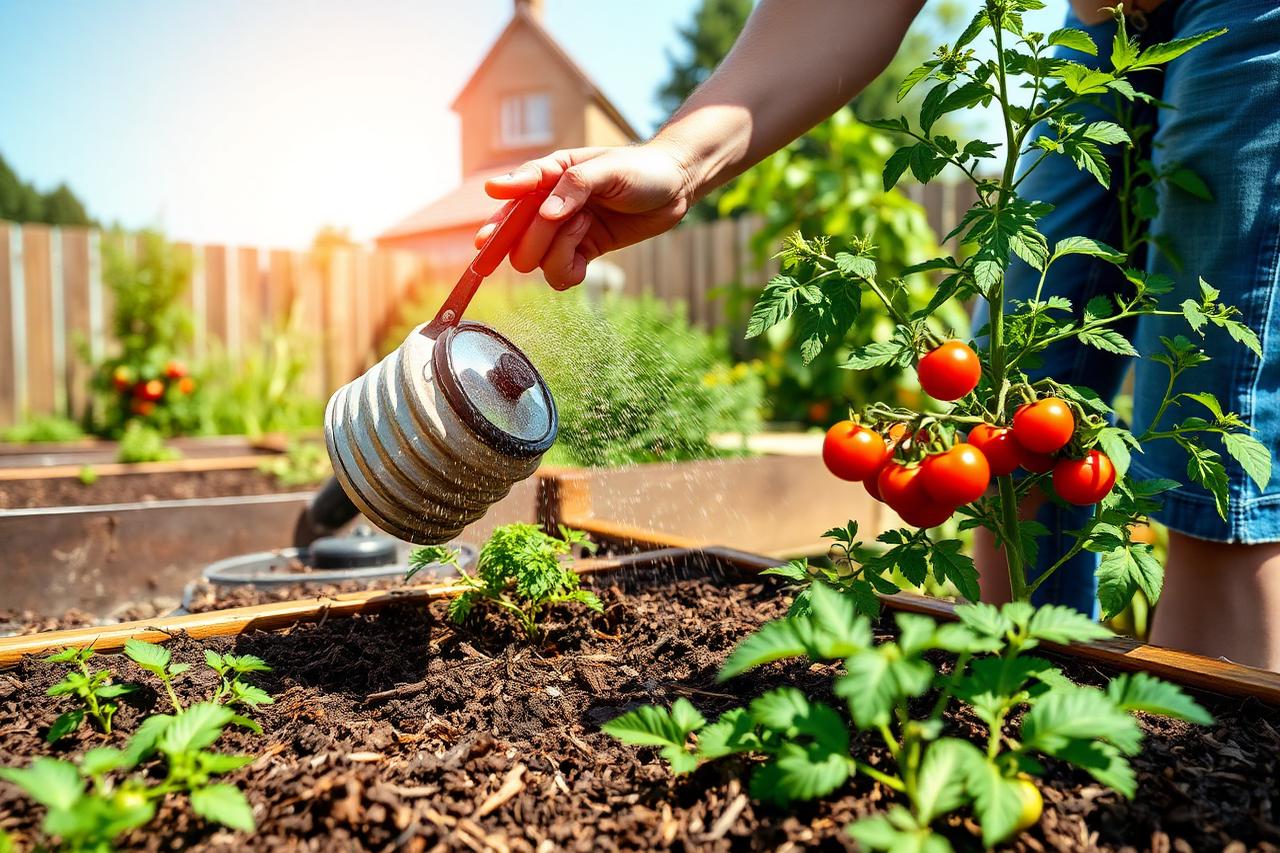
Summer Garden Maintenance Checklist: What to Do in June, July, and August
A pragmatic summer garden guide focused on adjusting watering, applying mulch correctly, monitoring pests, and transitioning toward fall crops.

Native Plant Garden Styles for North American Yards
Four native garden styles, with guidance on site conditions, plant selection, planting layout, establishment watering, long-term maintenance, and the mistakes that sink new plantings.
Fresh home & garden ideas, every Sunday.
Join American homeowners getting practical home & garden advice on gardening, landscaping, and DIY. Free, no spam, unsubscribe anytime.