Summer Garden Maintenance Checklist: What to Do in June, July, and August
A pragmatic summer garden guide focused on adjusting watering, applying mulch correctly, monitoring pests, and transitioning toward fall crops.
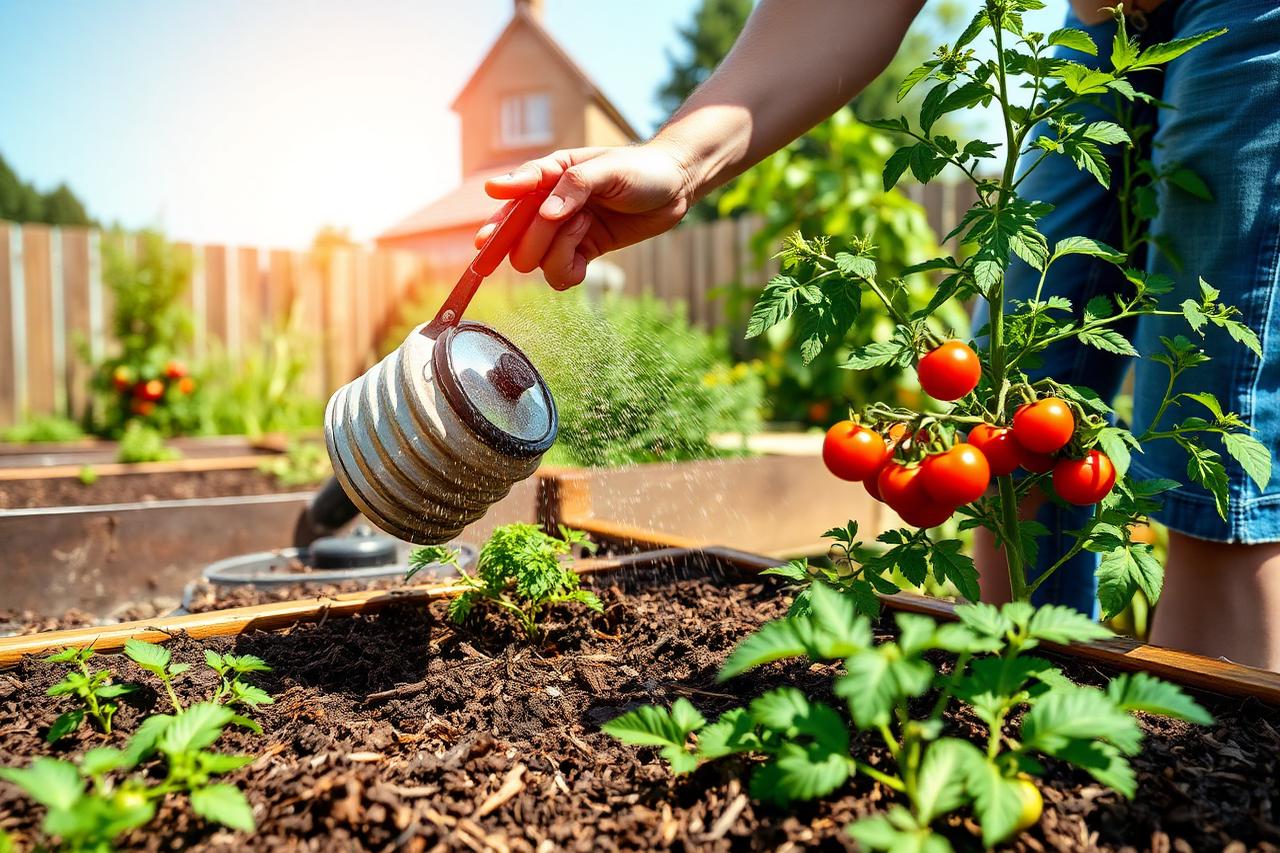
Summer gardening often shifts your focus toward managing the conditions at hand. As temperatures rise, most yards require increased attention to soil moisture, efficient watering, and maintaining proper mulch layers. You will also spend more time monitoring for pests, managing heat stress on younger plants, harvesting crops as they ripen, and eventually preparing space for fall plantings.
The exact timing of these tasks naturally depends on your region, local rainfall, soil type, and what you choose to grow. Instead of treating summer care as a rigid schedule, view it as a responsive process where you adapt your routine to what your plants and local weather require.
June: Pre-Heat Preparation
In early summer, focus on preserving soil moisture and supporting plant structure before the heat truly sets in. Start by feeling the soil before you water: push a finger about two to three inches deep to check for actual moisture, rather than watering just because the surface looks dry.
Proper mulching is highly effective for reducing water evaporation and keeping roots cool. Apply a two- to three-inch layer of organic mulch, such as shredded bark or clean straw, around your plants. Keep the mulch pulled back a couple of inches from the base of stems and tree trunks to prevent trapping moisture against the wood, which can cause rot.
Before the hottest weeks arrive, run your irrigation system for a few minutes and watch how it performs. Look for clogged emitters or broken sprinkler heads, spots that stay dry after a cycle, water pooling where it shouldn't, and areas where coverage is uneven. Fixing these now saves plants from drying out during a heat wave. Secure clear supports for taller plants like indeterminate tomatoes and climbing beans while they are still light, before they become heavy and difficult to handle.
If you planted cool-season greens like lettuce or spinach, try to harvest them before high temperatures trigger bolting (flowering and setting seed), which often turns the leaves bitter.
- Check soil moisture manually before running sprinklers or hoses.
- Apply a 2–3 inch layer of mulch, keeping it clear of stems and trunks.
- Inspect drip lines and sprinkler heads for leaks or clogs.
- Stake or trellis tomatoes, peppers, and tall flowers.
- Harvest cool-season crops promptly before they bolt.
July: Watering and Pest Management
Because temperatures, rainfall amounts, and sun exposure vary widely, there is no universal watering frequency. Focus on how quickly your specific soil dries out, the size of your planting containers, and the growth stage of the plant. Rather than counting days, check the soil first: push a finger two to three inches down and water only when it feels dry at that depth.
When people say to 'water deeply,' they mean applying enough water that it soaks down into the root zone instead of just wetting the top of the soil, which encourages roots to grow downward where moisture lasts longer. How you do that differs by setup. In-ground beds with established plants often do well with a long, slow soak once the top few inches have dried. Raised beds drain faster, so they tend to dry out sooner than in-ground soil and may need checking more often. Plants in containers, especially shallow terracotta pots on a hot patio, can dry out within a day and sometimes need water more than once during a heat wave.
Pest activity often peaks in mid-summer. Try to identify the specific insect before applying any control method, avoiding indiscriminate pesticide use that can harm beneficial pollinators. When scouting, check the underside of leaves and look for chewed foliage, stippling (tiny discolored dots), fine webbing, sticky honeydew residue, or distorted new growth.
Harvesting edible crops regularly encourages many plants to continue producing. Picking beans, cucumbers, zucchini, and tomatoes as soon as they reach their mature size often signals the plant to set more blossoms.
- Adjust watering frequency based on heat, rainfall, and container size.
- Water in-ground beds deeply when appropriate to encourage deep rooting.
- Inspect the underside of leaves for pests and identify them before acting.
- Look for signs of damage: webbing, sticky residue, or chewed edges.
- Harvest zucchini, beans, and cucumbers regularly to keep plants productive.
August: Assessing and Transitioning
August involves maintaining your current plants while slowly setting the stage for autumn. Continue your watering and harvesting routines, and take a moment to remove leaves or stems that are clearly diseased to prevent issues from spreading.
Re-evaluate your feeding strategy. The end of summer does not mean plants automatically need food. Assessing the need for fertilizer depends on the plant variety, soil condition, and the product's label instructions. Avoid fertilizing plants that are severely stressed from intense drought or heat, as adding nutrients often forces new growth that the stressed root system cannot support.
You can also begin planning your fall garden. Depending on your region, you might start seeds for cooler weather or plan for fall bulb planting. For gardeners in the United States, timing typically revolves around your area's average first frost date: work backward from that date based on the days-to-maturity of your chosen crops to find the best planting window. Your local university extension service can provide excellent regional planting calendars.
- Trim away clearly diseased foliage and discard it away from the compost pile.
- Hold off on fertilizing heat-stressed or drought-stricken plants.
- Start seeds for fall crops (like kale or radishes) based on your region's frost dates.
- Consult local extension resources for precise regional planting dates.
- Begin planning and ordering bulbs for autumn planting.
Adjusting Your Summer Garden Care
A checklist provides a baseline, but you will always need to adjust it to the reality of your specific yard. Two gardens in the same region can have drastically different needs.
If you experience hot and dry conditions, prioritize shade structures for sensitive plants and ensure your mulch layer is intact. In areas with frequent summer rain, you may need to reduce supplemental watering and increase spacing between plants to improve airflow and reduce fungal problems.
Potted plants and raised beds typically dry out faster than traditional lawns or ground-level vegetable beds. Always observe how your specific environment responds to the weather rather than strictly following a calendar.
Sources & References
• USDA NRCS: Seasonal Vegetable Gardening
• University of Maryland Extension: Summer Vegetable Garden Care
Frequently Asked Questions
Should I fertilize my garden during the hottest part of summer?
It depends heavily on the plant and its current health. Applying fertilizer to a plant that is actively suffering from severe heat stress or drought can cause further harm, as the plant cannot absorb the nutrients efficiently. If a plant is healthy, adequately watered, and the product instructions recommend it for that growth stage, a light feeding may be appropriate.
How often should I water raised beds in August?
There is no universal schedule. Raised beds generally drain faster than flat ground, so they may dry out more quickly. The frequency depends on your local climate, the type of soil in the bed, the thickness of your mulch layer, and what you are growing. Always test the soil moisture physically with your finger before applying water.
How can I tell if my plants are getting too much water?
Overwatered plants often display yellowing leaves starting near the bottom of the plant, wilt completely despite the soil being wet, or develop a spongy base. The easiest way to check is to dig down a few inches into the soil; if it feels constantly soggy or smells slightly sour, the root zone is likely staying too wet.
When is it too hot to transplant garden plants?
Moving a plant during peak summer heat is stressful because the disturbed root system struggles to supply enough water to the leaves. If you must transplant during a hot spell, do it in the evening or on an overcast day, water the plant deeply, and try to provide temporary shade for a few days while it recovers.
Conclusion
Focus on the practical tasks that respond directly to your changing summer conditions. Check the soil moisture manually, adapt watering habits, replace mulch appropriately, look for pests before spraying, and harvest your mature crops to keep plants productive as you prepare for the approach of autumn.
About the author
Editorial Contributor
Sarah writes the gardening and houseplant guides here — seasonal tasks, soil and watering, planting ideas, and the ordinary problems that come up between spring and frost.
More from Sarah MitchellPublished · Updated
Related articles

30 Backyard Design Ideas for Real Yards and Budgets
Thirty backyard design ideas ranked by cost and effort — featuring planning budgets, maintenance expectations, and spatial requirements.
Efficient Lawn Watering: Practical Home & Garden Guidance
How to figure out how much water your lawn needs, when to run sprinklers, and how deep, infrequent watering encourages deeper roots.
Fresh home & garden ideas, every Sunday.
Join American homeowners getting practical home & garden advice on gardening, landscaping, and DIY. Free, no spam, unsubscribe anytime.